How to Clean Dishwasher Drain: Simple Step-by-Step Guide
Master how to clean dishwasher drain with our simple step-by-step guide. Eliminate odors and improve performance today!
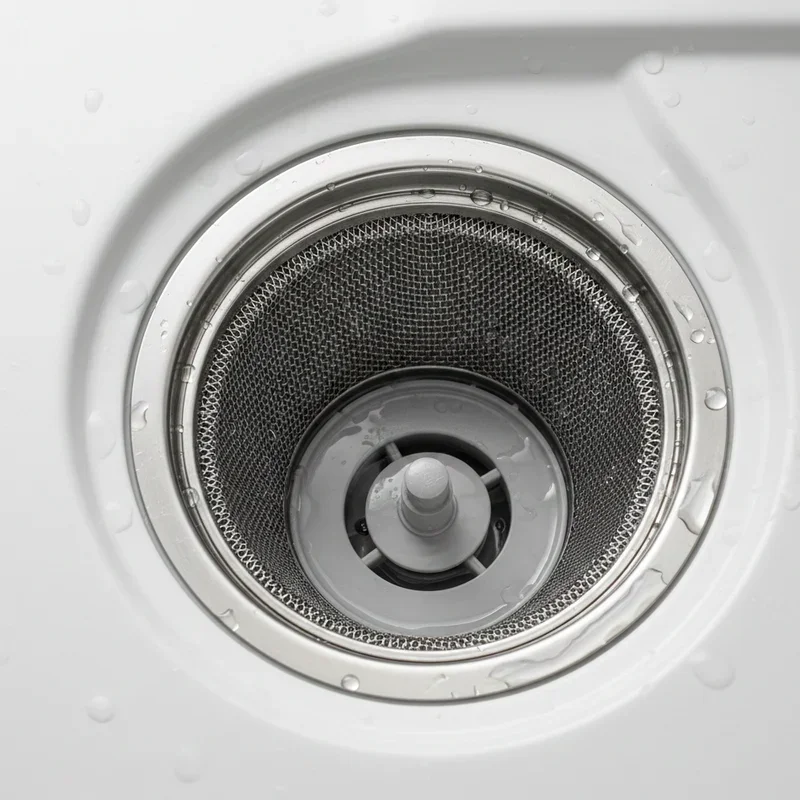
You know that funky smell wafting from your dishwasher every time you open the door? The one that makes you wonder if your dishes are actually getting clean or just marinating in yesterday's dinner remnants? Yeah, we've all been there. And nine times out of ten, the culprit is hiding in your dishwasher drain, quietly collecting food particles, grease, and all sorts of unmentionable gunk.
Here's the thing most people don't realize. Your dishwasher works incredibly hard, cycle after cycle, washing away the remnants of family meals, holiday feasts, and those late-night snack plates you definitely didn't need. All that debris has to go somewhere, and much of it passes through or gets trapped in the drain system. Over time, this buildup becomes a breeding ground for bacteria and mold, which explains that lovely eau de garbage greeting you every morning.
The good news? Cleaning your dishwasher drain isn't rocket science, and you don't need a plumber or expensive service call to handle it. With some basic supplies you probably already have under your sink and about thirty minutes of your time, you can have that drain sparkling clean and your dishwasher smelling fresh again.
This how to clean dishwasher drain: simple step-by-step guide will walk you through everything from understanding how the drain system works to maintaining it so problems don't sneak back. Ready to say goodbye to mystery odors and hello to a properly functioning appliance? Let's get started!
Why Your Dishwasher Drain Needs Regular Attention
Before we dive into the cleaning process, let's talk about why this maintenance task matters so much. Understanding the why helps motivate the doing, after all.
The Hidden World Inside Your Dishwasher
Most folks assume that because a dishwasher uses hot water and detergent, it somehow cleans itself. If only! In reality, all that food debris washing off your plates has to go somewhere. While larger particles get caught by filters, smaller bits slip through and accumulate in the drain area.
Grease is particularly problematic. It might flow freely during the hot wash cycle, but as things cool down, that grease solidifies and coats the interior of drain components. Add in food particles, soap residue, and hard water minerals, and you've got a recipe for serious buildup.
Signs Your Drain Needs Cleaning
Standing water at the bottom of your dishwasher after a cycle is the most obvious red flag. Your dishwasher should drain completely, leaving just slight moisture behind.
Unpleasant odors that persist even after running cycles indicate bacteria growth in accumulated debris. That smell isn't your imagination, and it won't go away on its own.
Dishes coming out dirty or with residue suggest water isn't circulating properly, often because drain issues are affecting the wash system's efficiency.
Unusual gurgling or draining sounds during operation can mean water is struggling to pass through partial blockages.
Understanding Your Dishwasher's Drain System
A little knowledge about how everything connects helps you clean more effectively and troubleshoot problems.
Key Components
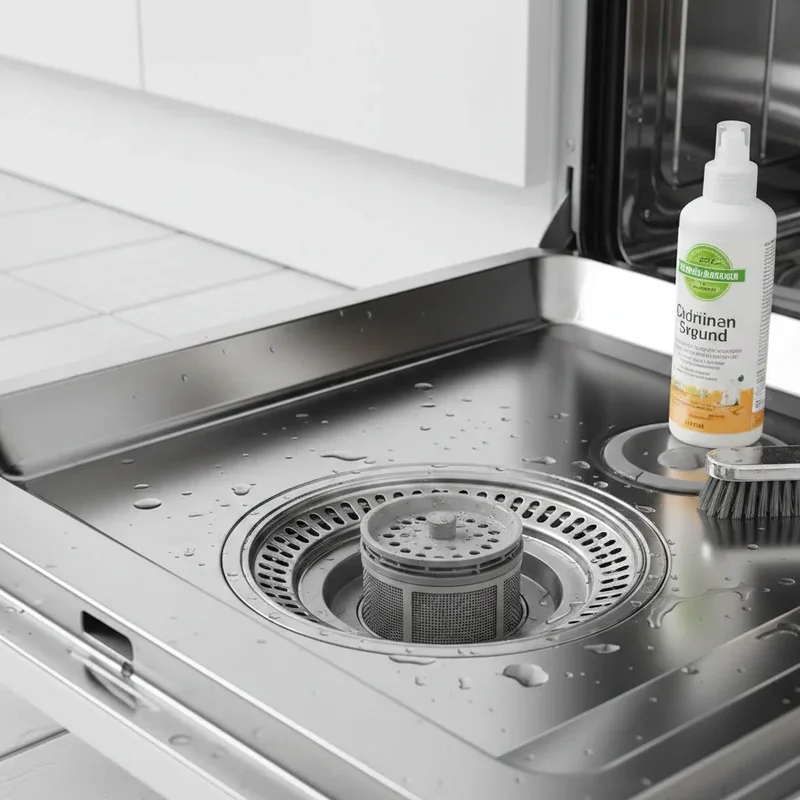
The drain filter, sometimes called a food trap, sits at the bottom of your dishwasher tub. This is your first line of defense against debris entering the drain system. Most modern dishwashers have removable filters that twist or pull out for cleaning.
The drain basket surrounds the filter assembly and catches larger items that slip past during loading. Broken glass, fallen utensils, and big food chunks typically end up here.
The drain pump moves water out of the machine through the drain hose. When clogs occur, this pump works harder and can eventually fail from the strain.
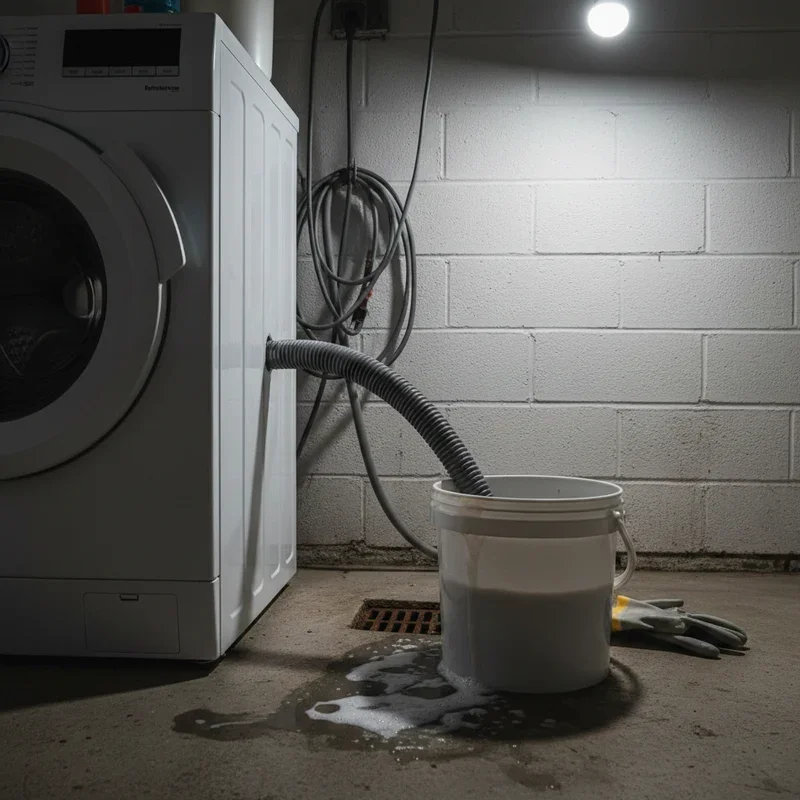
The drain hose connects your dishwasher to either your garbage disposal or directly to your home's drain system. This corrugated tube can trap debris along its ridged interior.
How to Clean Dishwasher Drain: Simple Step-by-Step Guide for Basic Cleaning
Alright, let's get our hands dirty, or rather, let's get things clean! This section covers routine maintenance that should happen monthly.
Step 1: Safety First
Before touching anything, make sure the dishwasher is turned off and disconnected from power if you're going to reach inside mechanical areas. No running cycles, no surprise starts. Pull the machine out slightly if needed to unplug it, or switch off the circuit breaker.
Let the dishwasher sit open for a few minutes if you've just run a cycle. Those heating elements get seriously hot, and burns are no fun.
Step 2: Remove the Bottom Rack
Pull out the lower dish rack completely and set it aside. This gives you full access to the dishwasher floor where all the drain components live. Take a quick look around while you're at it. Sometimes you'll spot debris, broken glass, or items that fell during washing.
Step 3: Locate and Remove the Filter
The filter assembly sits in the center or back corner of the dishwasher floor, depending on your model. Most have a cylindrical center piece that twists counterclockwise to unlock, plus a flat mesh screen underneath.
Twist and lift the cylindrical filter out first. Then remove the flat filter beneath it. Some models have a single combined unit, while others have multiple pieces. If you're unsure how yours works, a quick search for your model number plus "filter removal" will show you exactly what to do.
Step 4: Clean the Filter Components
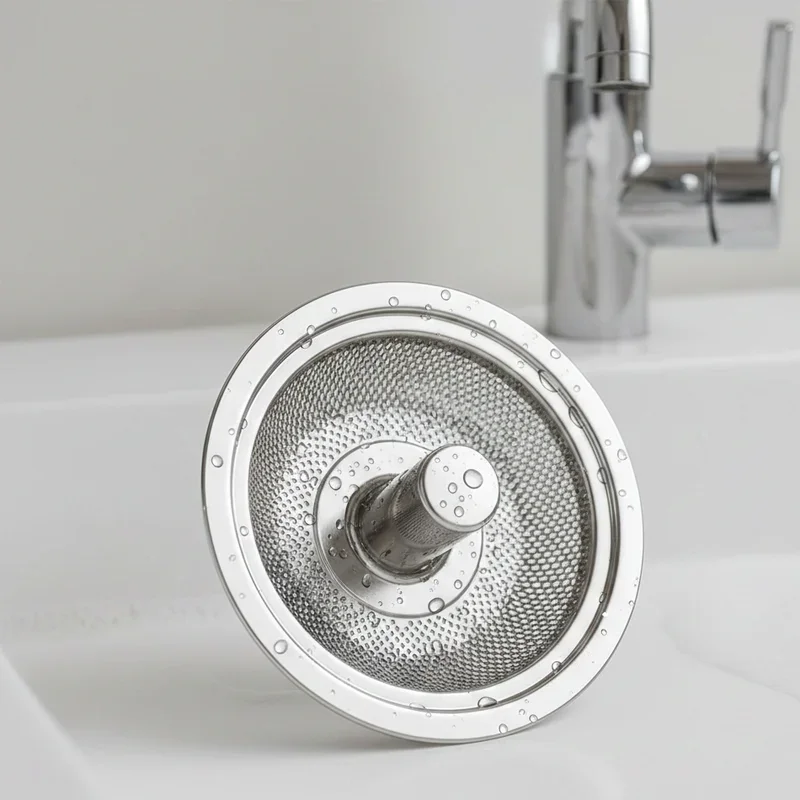
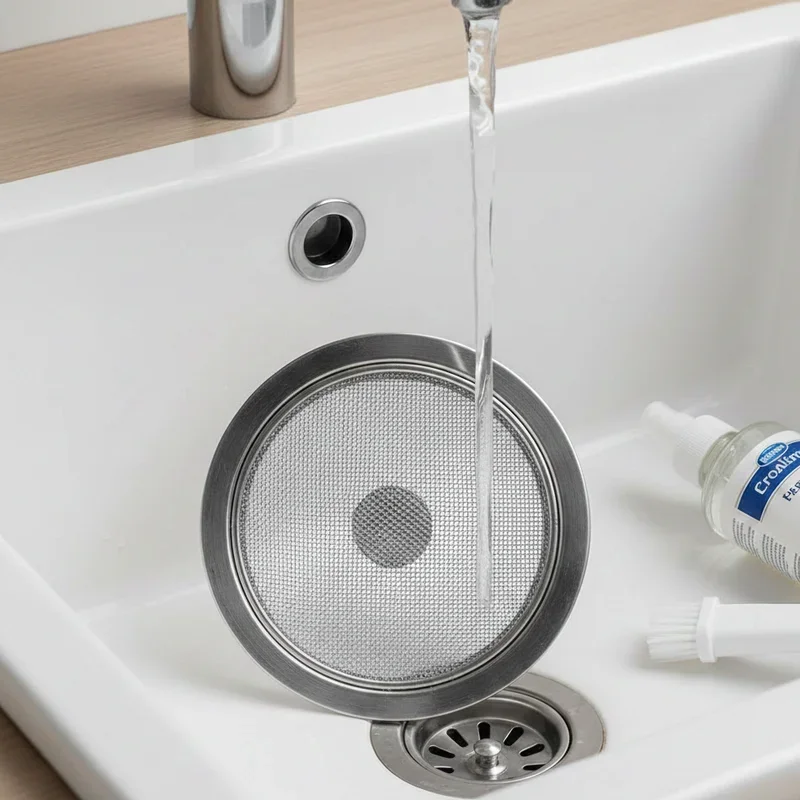
Take your filters to the sink and hold them under running water. Use a soft brush, like an old toothbrush, to scrub away stuck-on debris. Pay attention to the mesh areas where tiny particles get embedded.
For stubborn buildup, soak the filters in warm soapy water for ten to fifteen minutes before scrubbing. Avoid using anything abrasive that could damage the mesh material.
Rinse thoroughly until no debris or soap remains. Hold filters up to the light to check for any remaining particles trapped in the mesh.
Step 5: Clean the Filter Housing
With the filters removed, you can see down into the filter housing and the drain area below. This is often where the grossest stuff lurks.
Use paper towels to wipe out any visible debris from the housing. Check the sump area, which is the recessed section where water collects before pumping out. Food particles, glass shards, and random objects accumulate here.
A damp cloth or sponge helps clean the walls of the housing. For stubborn grime, spray some dish soap or all-purpose cleaner and let it sit briefly before wiping.
Step 6: Check the Drain Opening
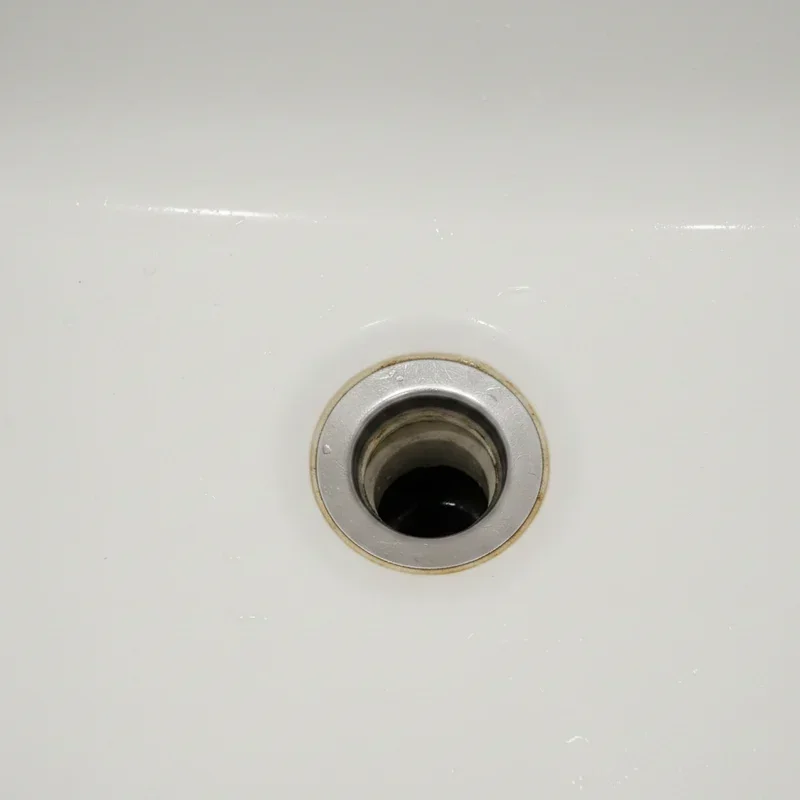
Look into the drain opening at the bottom of the housing. If you can see or feel blockages, carefully remove them. Long tweezers or needle-nose pliers help grab debris without scratching components.
Never stick your fingers into areas you can't see clearly. Broken glass and sharp objects could be lurking.
Step 7: Reassemble Everything
Replace the flat filter first, ensuring it sits properly in its designated spot. Then insert and twist the cylindrical filter clockwise to lock it in place.
Give everything a gentle tug to confirm secure installation. Loose filters allow debris to bypass the system and cause bigger problems.
Deep Cleaning for Stubborn Buildup
Sometimes routine cleaning isn't enough. Here's how to tackle more serious drain issues.
The Vinegar and Baking Soda Treatment
This classic combination works wonders for breaking up grease and eliminating odors throughout the drain system.
With filters removed and the dishwasher empty, sprinkle about a cup of baking soda across the bottom of the tub, focusing on the drain area. Let it sit for fifteen to twenty minutes to absorb odors and loosen grime.
Pour two cups of white vinegar directly into the drain area. You'll hear satisfying fizzing as the combination reacts. This action helps break up buildup inside the drain system where you can't directly scrub.
After the fizzing subsides, run a short hot water cycle with the dishwasher empty. This flushes the loosened debris through the system.
Cleaning the Drain Hose
For persistent problems, the drain hose itself might need attention. This requires a bit more effort but can solve stubborn drainage issues.
Locate where the drain hose connects to your garbage disposal or drain pipe under the sink. Place a shallow pan or towels beneath the connection to catch water.
Loosen the hose clamp and disconnect the hose. Water will likely drain out, so be ready with your pan.
Inspect the hose interior for buildup. A long bottle brush or drain cleaning brush can reach inside to scrub the corrugated walls. Alternatively, flush the hose with a mixture of hot water and dish soap.
Reattach the hose securely and check for leaks by running a short cycle.
How to Clean Dishwasher Drain: Simple Step-by-Step Guide to Clearing Actual Clogs
When water won't drain at all, you're dealing with a full clog that needs more aggressive treatment.
Checking for Obvious Obstructions
Sometimes the problem is something you can see and remove easily. A piece of broken dish, a twist tie, a bone fragment, or even a small utensil can block the drain completely.
Remove the filter assembly and look carefully into the drain opening. Use a flashlight to see clearly. If you spot something blocking the drain, carefully extract it with pliers or tongs.
Using a Wet/Dry Vacuum
For water that won't drain after running a cycle, a wet/dry shop vacuum can help. Set it to liquids mode and suction out the standing water from the bottom of the dishwasher.
With water removed, you can better see and access the drain components. Often removing the water reveals debris that was hiding beneath the surface.
Checking the Air Gap or Disposal Connection
If your dishwasher drain hose connects to a garbage disposal, make sure the disposal knockout plug was removed during installation. This is a surprisingly common issue, especially in newer homes.
Dishwashers with air gaps, those small dome fixtures next to the faucet, can also develop clogs. Remove the air gap cover and clean out any debris inside.
Run your garbage disposal before running the dishwasher to ensure the shared drain line is clear.
Maintaining a Clean Drain Long-Term
Prevention beats cure every time. These habits keep your drain clean between deep cleaning sessions.
Pre-Rinse Strategically
You don't need to wash dishes before putting them in the dishwasher, but scraping off large food debris makes a huge difference. Bones, citrus peels, and chunky food bits should never enter the machine.
Run Hot Water First
Before starting a cycle, run your kitchen sink's hot water until it gets properly hot. This means your dishwasher's first fill uses hot water immediately rather than starting cold.
Clean Filters Weekly
A quick filter rinse takes sixty seconds and prevents buildup from becoming problematic. Make it part of your Sunday evening routine or whenever you empty the clean dishes.
Monthly Maintenance Cycle
Once a month, run an empty cycle with a cup of vinegar or a commercial dishwasher cleaner. This flushes the entire system including areas you can't reach manually.
Keep the Door Ajar
After cycles complete, crack the dishwasher door open to allow air circulation. This helps dry the interior and prevents the moist environment where bacteria and mold thrive.
When Professional Help Is Needed
Most drain issues respond to DIY cleaning, but some situations warrant calling in reinforcements.
If you've tried everything and water still won't drain, the pump itself may have failed. This requires replacement parts and appliance repair expertise.
Persistent bad smells despite thorough cleaning could indicate mold growth in areas you can't access, like inside the door panel or spray arm assemblies.
Leaking water during or after cycles suggests seal problems or damaged components that need professional diagnosis.
Strange electrical behavior, error codes, or failure to start points to issues beyond simple drain cleaning.
Conclusion
Keeping your dishwasher drain clean doesn't require special skills or expensive products. This how to clean dishwasher drain: simple step-by-step guide has shown you that regular filter maintenance combined with occasional deep cleaning keeps everything flowing smoothly and smelling fresh. The key is consistency rather than waiting until problems become serious. Make drain maintenance part of your regular kitchen cleaning routine, and your dishwasher will reward you with years of reliable, odor-free performance. Your nose and your dishes will both thank you for taking the time to show your hardworking appliance some love!
Read next: How to Unclog Dishwasher Drain Hose Easily
Frequently Asked Questions
1. How often should I clean my dishwasher drain and filter?
Clean filters weekly with quick rinses and perform deep drain cleaning at least once monthly.
2. Can I use bleach to clean my dishwasher drain?
Bleach works but may damage rubber seals over time, so vinegar is generally safer.
3. Why does my dishwasher smell bad even after cleaning?
Odors may persist from mold in hidden areas like door seals or spray arm interiors.
4. What causes my dishwasher to not drain completely?
Common causes include clogged filters, blocked drain hoses, or problems with the garbage disposal connection.
5. Is it normal to have some water in the dishwasher bottom?
A small amount of water in the sump area is normal and helps keep seals from drying out.
Stay up to date with our latest ideas!