What Is a Slab Door? A Simple Guide for Homeowners
Discover what is a slab door in this simple guide for homeowners. Learn benefits, installation tips, and buying advice!
So you're standing in the door aisle at your local home improvement store, and suddenly you're faced with a choice you didn't know existed. Slab door or prehung? The sales associate throws around terms like they're common knowledge, and you're nodding along while secretly wondering what on earth the difference actually is. Don't worry, you're definitely not alone in this confusion!
Here's the thing about home improvement. There's always more to learn, and doors are no exception. What seems like a simple purchase, just a rectangular thing that opens and closes, turns out to have layers of complexity that can affect your budget, installation plans, and final results.
Slab doors represent one of the most fundamental options in the door world, yet many homeowners have never heard the term before their first renovation project. Understanding what they are and when to choose them can save you significant money and hassle, or help you avoid a purchase that doesn't fit your situation.
This what is a slab door? A simple guide for homeowners will clear up all the confusion. We'll explore what makes slab doors different, when they're the right choice, and everything else you need to know before making your decision. By the time you finish reading, you'll walk into that home improvement store with confidence!
What Exactly Is a Slab Door
Let's start with the basics because clarity here prevents confusion everywhere else.
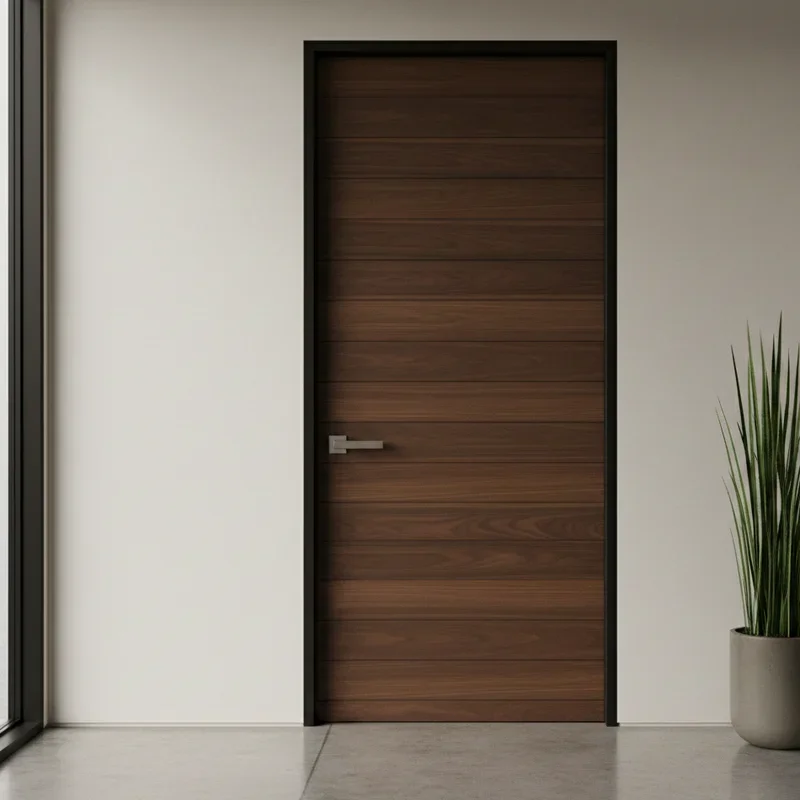
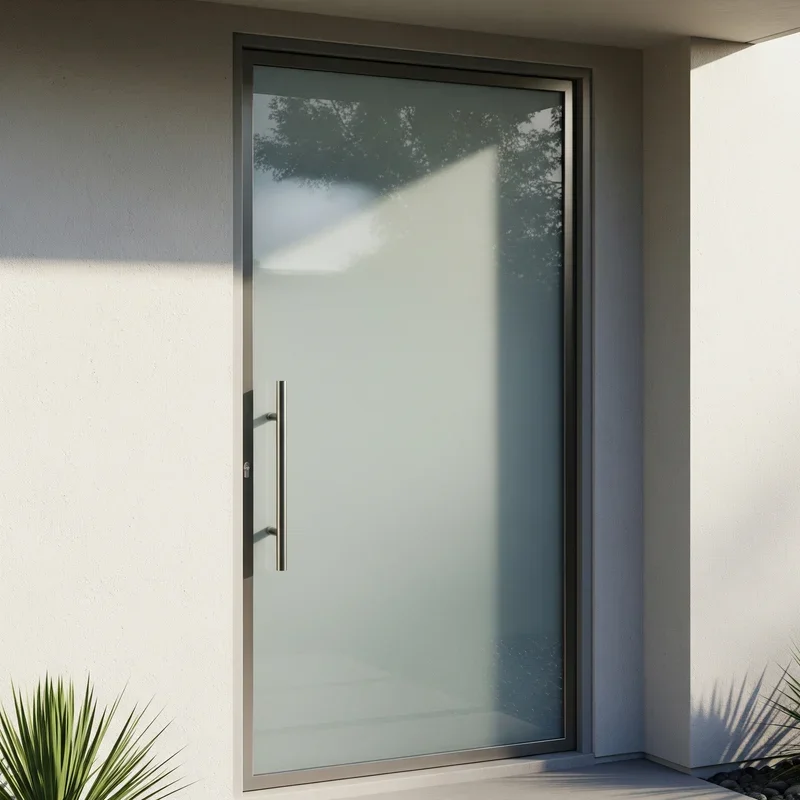
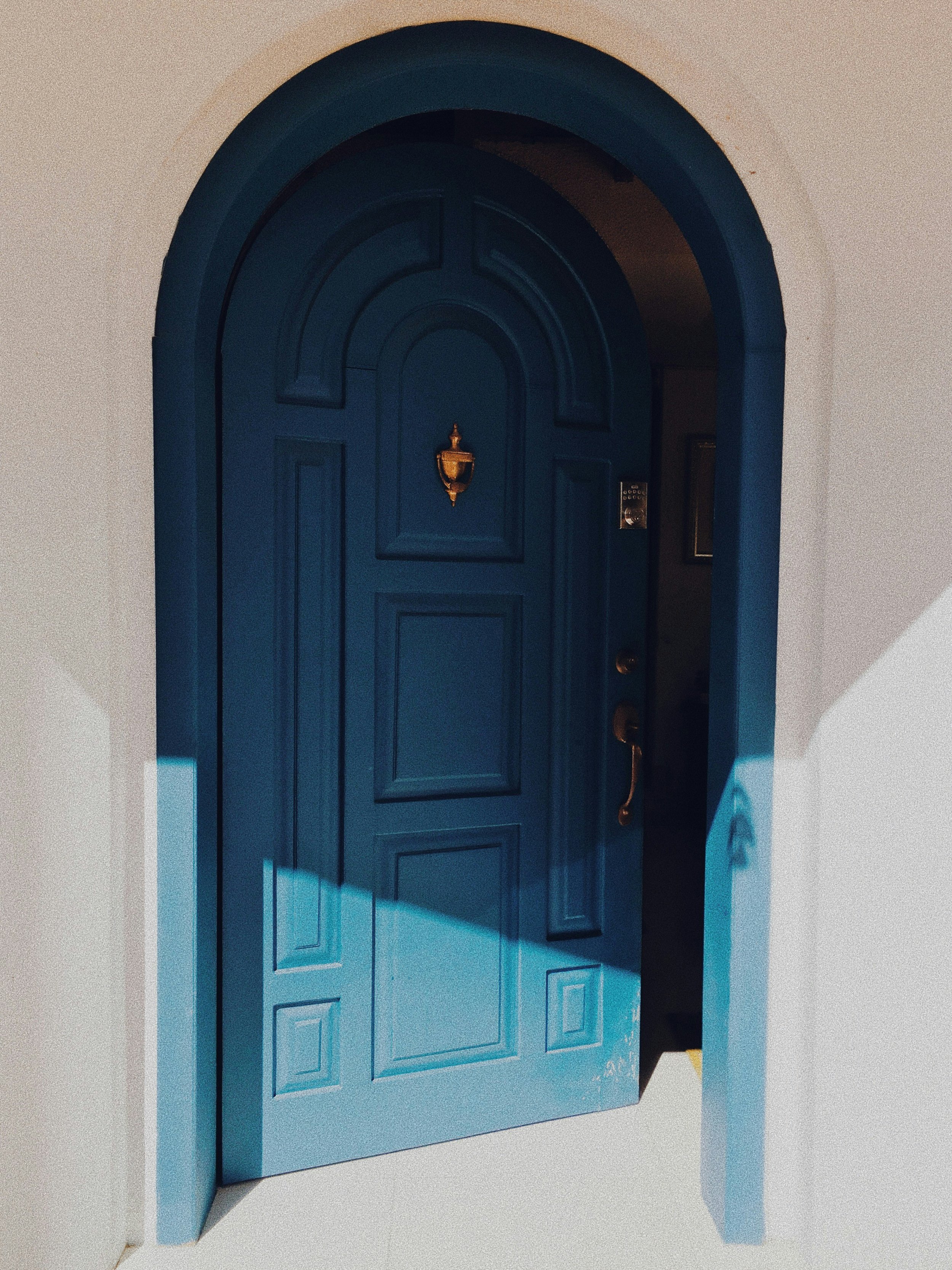
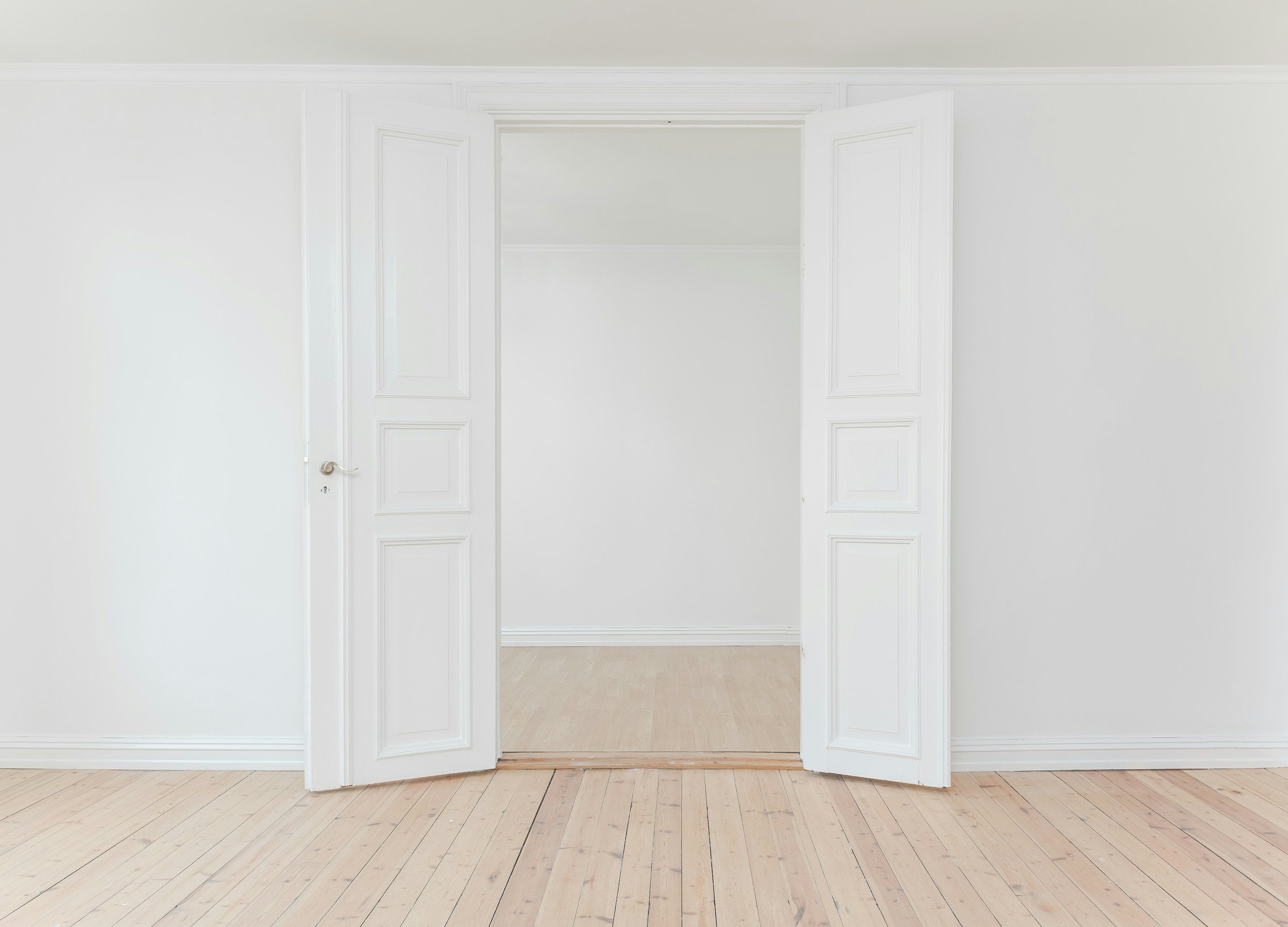
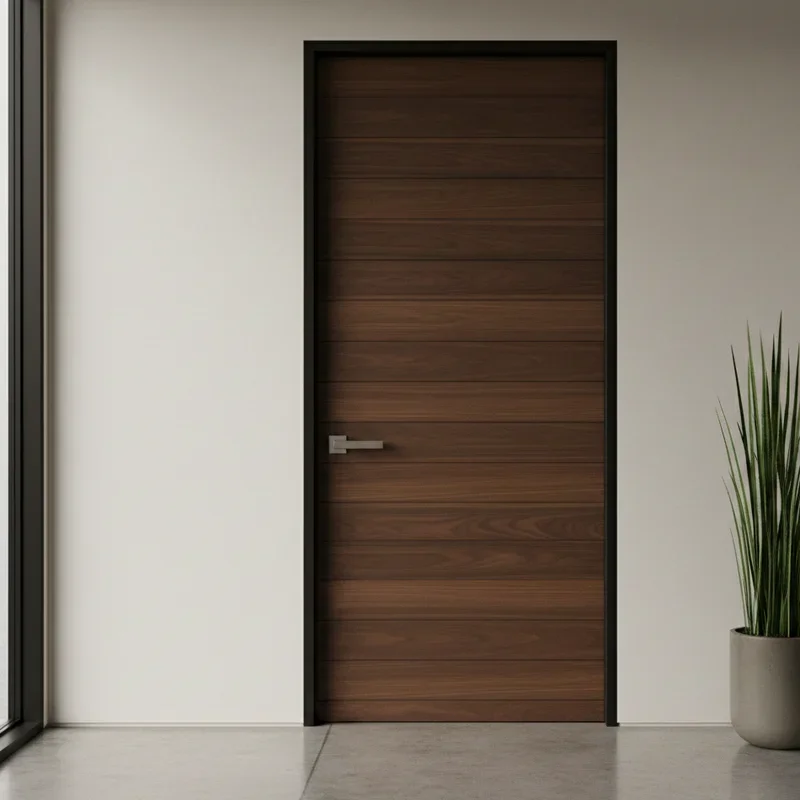
A slab door is simply the door itself, nothing more and nothing less. It's the flat panel that swings open and closed. No frame attached, no hinges pre-installed, no doorknob holes drilled. Just the door in its purest, most elemental form.
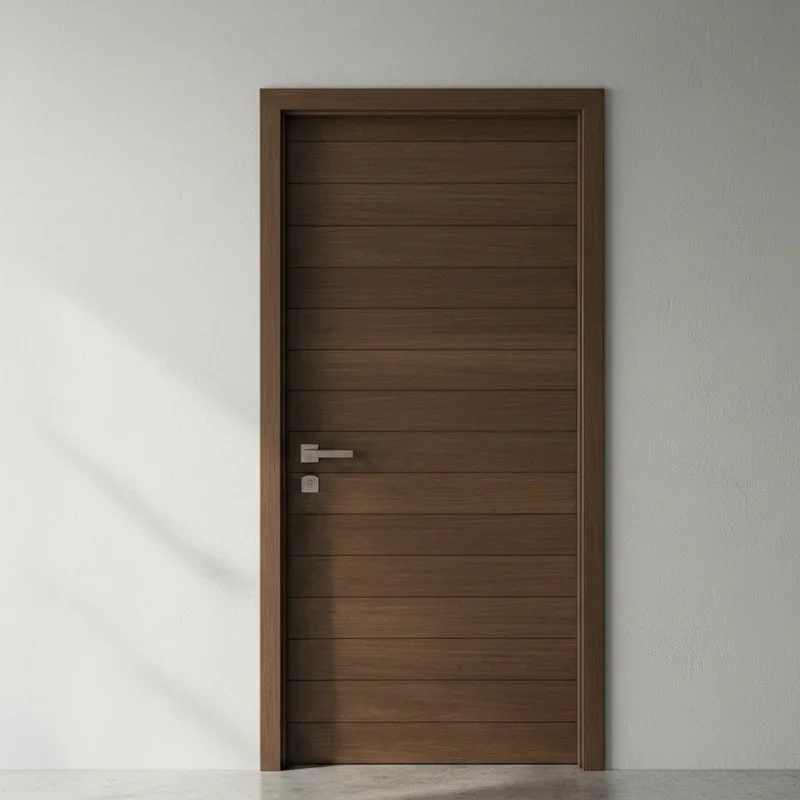
Picture a large, flat rectangle of wood, fiberglass, or steel. That's your slab door. It arrives at your home naked, so to speak, waiting for you to add all the finishing touches that make it functional.
The name actually makes sense when you think about it. A slab is a flat, thick piece of material, and that's exactly what you're getting. Some folks in the industry also call these blank doors or replacement doors, though slab remains the most common terminology.
What's NOT Included
When you buy a slab door, you're not getting the door frame, which is the structure that surrounds the door and attaches to your wall. You're also not getting hinges, strike plates, or any other hardware. There's no weatherstripping for exterior applications. And typically, there are no pre-drilled holes for door handles or deadbolts.
You're essentially buying raw material that requires additional work and components before it functions as an actual door in your home.
Slab Doors Versus Prehung Doors
Understanding this comparison helps you make smarter purchasing decisions.
The Prehung Alternative
Prehung doors come as complete units. The door arrives already attached to its frame via installed hinges. The frame includes the jamb pieces and often the threshold for exterior doors. Hardware holes are typically pre-drilled.
Think of a prehung door as a ready-to-install package. You remove your old door and frame entirely, then slide this new unit into the opening. It's designed for new construction or complete door replacements.
Key Differences
The most obvious difference is completeness. Slab doors require you to reuse your existing frame or purchase and install a separate one. Prehung doors include everything needed for a complete installation.
Cost differs significantly too. Slab doors typically cost between thirty and fifty percent less than equivalent prehung options. However, you might need additional materials that narrow this gap.
Installation complexity varies based on your situation. Slab doors on existing frames can actually be simpler, while slab doors requiring new frames become considerably more complex than prehung alternatives.
When Slab Doors Make Perfect Sense
Certain situations practically scream for slab door purchases. Recognizing these scenarios helps you choose wisely.
Replacing Damaged Doors in Good Frames
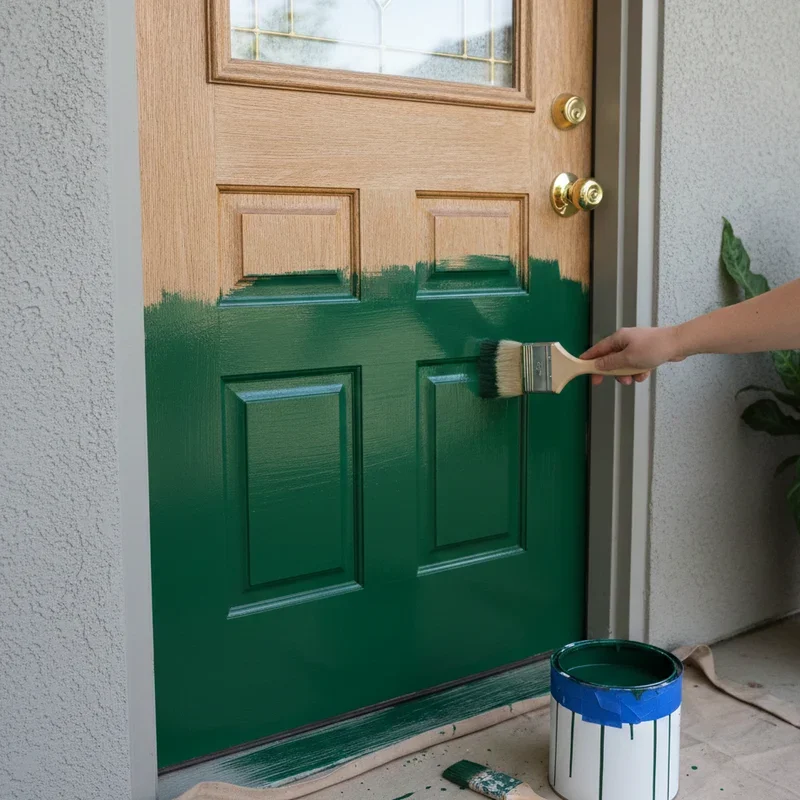
This is the sweet spot for slab doors. Your existing frame is solid, level, and in good condition, but the door itself has seen better days. Maybe it's scratched beyond repair, warped from humidity, or simply outdated in style.
Why replace perfectly good framing? Swapping just the door slab saves money, reduces waste, and minimizes installation time. A competent DIYer can handle this swap in an afternoon.
Matching Existing Doors Throughout Your Home
Replacing interior doors throughout a house often means matching existing frame styles and dimensions. Slab doors let you update the look without the complexity of replacing entire units.
Many older homes have non-standard door sizes or unique frame configurations. Finding prehung doors to match can be challenging or impossible, while slab doors can be trimmed and fitted to work with existing openings.
Budget-Conscious Renovations
When every dollar counts, slab doors stretch your renovation budget further. The savings on each door multiplies across a whole-house project.
Interior door replacement throughout a typical home might involve ten to fifteen doors. Saving fifty dollars per door adds up to five hundred or more, which could fund other improvements.
Custom and Specialty Applications
Certain specialty doors only come as slabs. Barn door hardware installations require slab doors that mount to external track systems. Custom-sized openings may need doors cut to specific dimensions that prehung options don't accommodate.
Historic home restorations often require slab doors to maintain period-appropriate appearances while fitting original frame dimensions.
What Is a Slab Door? A Simple Guide for Homeowners on Installation
Getting a slab door from the store to functional use in your home involves several steps.
Fitting to Your Frame
Slab doors rarely fit perfectly into existing frames without some adjustment. You'll need to measure your frame opening precisely and compare it to your door dimensions.
Plan for gaps around the door. You need about an eighth inch on each side and at the top for smooth operation. The bottom gap depends on flooring, typically three-eighths to half an inch over carpets, less over hard surfaces.
If your door is oversized, you'll trim it to fit. This requires proper tools and careful technique to maintain straight edges. Most slab doors allow trimming up to a certain amount before compromising structural integrity.
Hinge Mortising
Creating the hinge recesses, called mortises, is perhaps the trickiest part of slab door installation. These rectangular cutouts must align perfectly with your frame's hinge positions.
You'll need a chisel, hammer, and steady hand for traditional mortising. Router jigs make this process faster and more consistent for those with the tool.
Position the door against the frame and mark exactly where hinges need to go. Standard doors use three hinges, spaced seven inches from the top, eleven inches from the bottom, and centered between those two.
Drilling for Hardware
Door handle and deadbolt holes require specific sized bore holes at specific heights. Most handles sit 36 inches from the floor, though this varies.
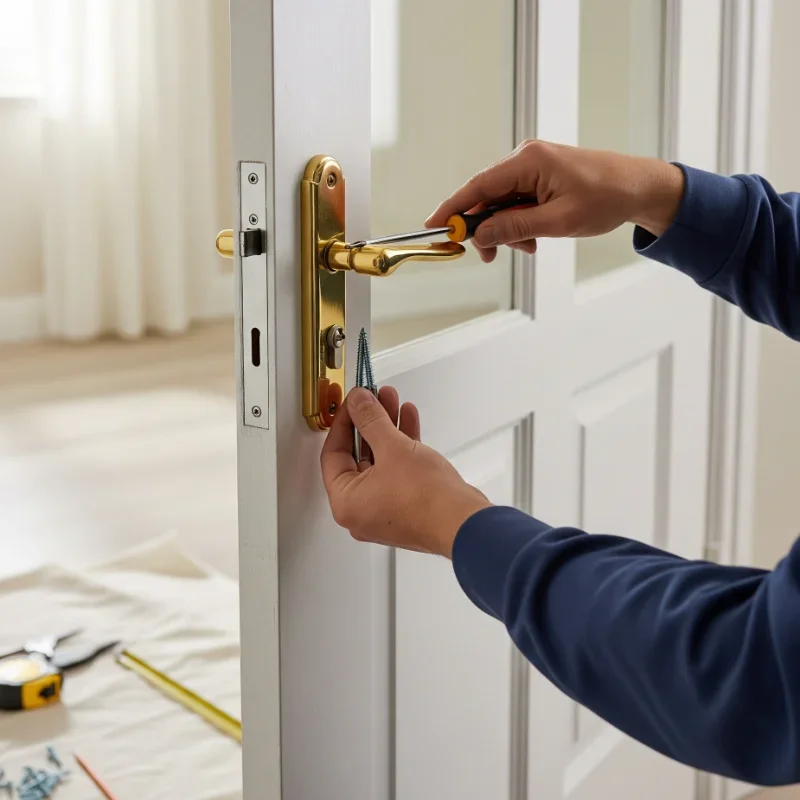
A door lock installation kit includes the right sized hole saws and guides to ensure proper alignment. The edge bore that houses the latch must align precisely with the face bore where the handle sits.
Hanging the Door
With mortises cut and hardware holes drilled, hanging involves attaching hinges to the door, then to the frame. Start with the top hinge, check for swing clearance, then attach remaining hinges.
Adjustment takes patience. Opening and closing repeatedly while checking gaps reveals where trimming or hinge adjustment might be needed.
Materials and Styles Available
Slab doors come in tremendous variety to suit any taste and application.
Solid Wood
Traditional and beautiful, solid wood slab doors offer classic appeal and durability. Common species include pine for painted applications, oak and maple for stained finishes, and exotic woods for premium looks.
Solid wood requires more maintenance than alternatives. It expands and contracts with humidity changes and needs periodic refinishing.
Hollow Core
Interior slab doors often use hollow core construction. A framework of wood or engineered material surrounds an internal honeycomb or cardboard structure, with thin veneer faces.
These doors are lightweight and affordable, perfect for closets, bedrooms, and bathrooms where sound isolation isn't critical.
Solid Core
Solid core doors fill the internal space with dense material, often engineered wood products. They offer better sound dampening and a more substantial feel than hollow core while costing less than solid wood.
Many homeowners prefer solid core for bedrooms and home offices where privacy matters.
Fiberglass and Steel
Exterior slab doors often use fiberglass or steel construction for durability and weather resistance. These materials resist warping, rotting, and insect damage that affects wood in harsh conditions.
Fiberglass doors can convincingly mimic wood grain appearance while providing superior performance.
What Is a Slab Door? A Simple Guide for Homeowners on Buying Tips
Smart shopping ensures you get the right door for your project.
Measure Before You Shop
Know your exact frame dimensions before visiting the store. Measure width at top and bottom, height on both sides. Frames aren't always perfectly square, so these measurements might differ slightly.
Standard interior door sizes include widths of 24, 28, 30, 32, and 36 inches, with 80-inch height being most common. Exterior doors typically run 36 inches wide and 80 inches tall.
Check for Defects
Examine slab doors carefully before purchase. Look for warping by sighting down the edge. Check for scratches, dents, or imperfections in the finish. Verify corners are square.
Imperfect doors at full price create frustration. Either pass or negotiate a discount for blemished units you'll refinish anyway.
Consider Future Needs
Think about hardware requirements before purchasing. Left-hand versus right-hand swing affects hinge placement. The thickness affects what hardware fits properly.
Most interior slab doors measure 1-3/8 inches thick, while exterior doors typically measure 1-3/4 inches. Your hardware must match these dimensions.
Conclusion
Understanding slab doors opens up options that can save money and simplify certain renovation projects. This what is a slab door? A simple guide for homeowners has covered everything from basic definitions to installation considerations and buying advice. Remember that slab doors work best when replacing damaged doors in existing frames or matching throughout a home with non-standard openings. They require more installation work than prehung alternatives but offer flexibility and cost savings that make them worthwhile for the right situations. Now you can shop with confidence knowing exactly what you need!
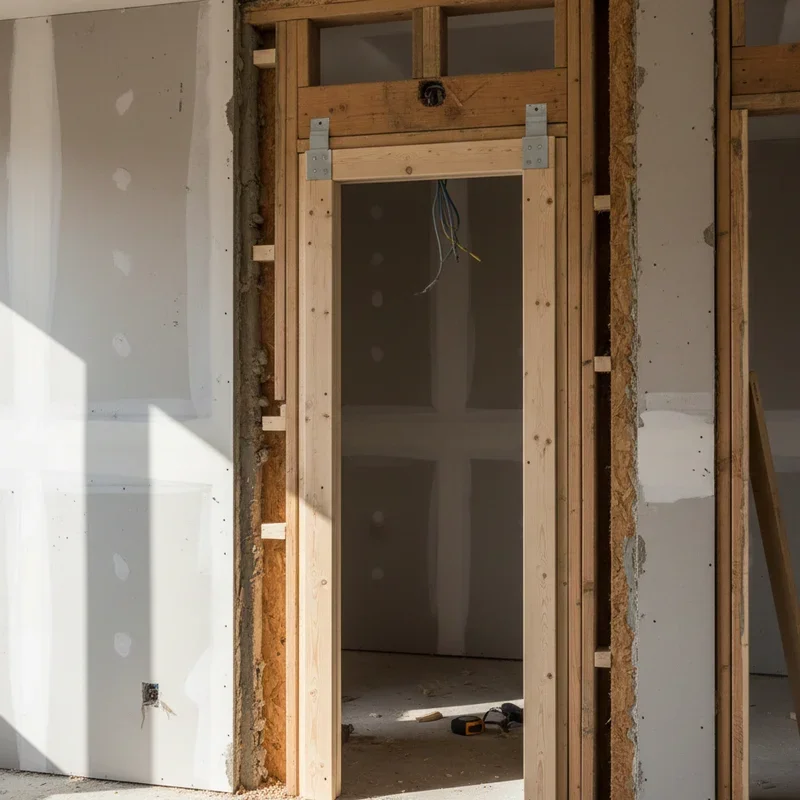
Read next: How to Build a Door Frame: Step-by-Step DIY Guide
Frequently Asked Questions
1. Can a beginner install a slab door successfully?
Yes, with patience and proper tools, beginners can install slab doors in existing frames.
2. How much cheaper are slab doors compared to prehung doors?
Slab doors typically cost 30 to 50 percent less than comparable prehung door units.
3. Do slab doors come with holes already drilled for hardware?
Most slab doors arrive without pre-drilled holes, requiring you to drill them during installation.
4. Can exterior doors be purchased as slab doors?
Yes, exterior slab doors are available in wood, fiberglass, and steel construction options.
5. How do I know what size slab door to buy?
Measure your existing frame opening carefully and select a door slightly larger for trimming.
Stay up to date with our latest ideas!