How to Unclog a Bathroom Sink Drain: Tips and Techniques
Learn how to unclog a bathroom sink drain with proven tips and techniques. Fix slow drains fast without calling a plumber!
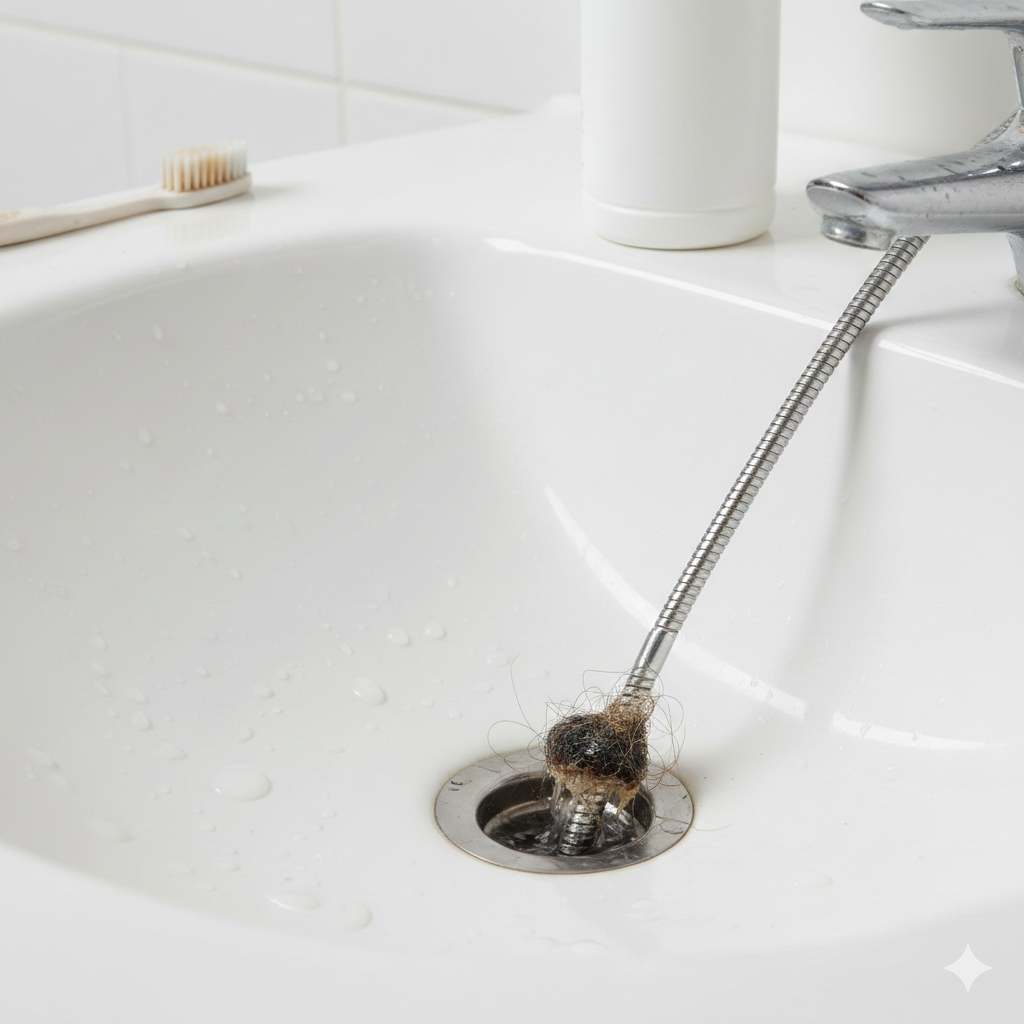
There you are, brushing your teeth in the morning, and suddenly you're standing in a pool of murky water that refuses to go down. Sound familiar? A clogged bathroom sink is one of those annoying household problems that always seems to happen at the worst possible moment. Maybe you've got guests coming over, or perhaps you're already running late for work. Either way, that standing water isn't going anywhere on its own.
Here's the good news though. Most bathroom sink clogs are actually pretty easy to fix yourself, and you probably won't need to call a plumber or spend a fortune on fancy drain cleaners. With a few simple tools and some basic know-how, you can have that water swirling down the drain like nothing ever happened.
The bathroom sink is a magnet for all sorts of gunk. Hair, soap scum, toothpaste residue, and who knows what else accumulate over time until one day the drain just gives up. But before you panic or start Googling plumber prices, take a deep breath. This how to unclog a bathroom sink drain: tips and techniques guide will walk you through everything from quick fixes to more involved solutions.
Whether you're dealing with a completely blocked drain or just a slow one that's been getting on your nerves, we've got you covered. Let's roll up our sleeves and get that sink draining properly again!
Understanding What's Causing the Clog
Before jumping straight into fixing the problem, it helps to understand what you're dealing with. Different clogs require different approaches, and knowing the culprit can save you time and frustration.
The Usual Suspects
Hair is the number one villain in bathroom sink clogs. Every time you brush, style, or just lean over the sink, strands fall in and slowly accumulate. Combined with soap residue, hair forms nasty tangles that grip the inside of your drain pipe like they're holding on for dear life.
Soap scum builds up gradually and coats the interior of pipes. Modern bar soaps and liquid soaps contain fats that solidify when they cool, creating a sticky film that catches everything else trying to pass through.
Toothpaste globs might seem harmless going down, but they accumulate over time. That minty freshness turns into crusty buildup that narrows your drain opening.
Skincare and beauty products contribute more than most people realize. Makeup residue, face wash, shaving cream, and moisturizers all leave traces that build up in pipes.
Signs Your Drain Is Heading for Trouble
Slow drainage is the early warning sign most people ignore. If water takes more than a few seconds to disappear, something's building up down there. Catching problems early makes them easier to fix.
Gurgling sounds indicate air bubbles pushing through partial blockages. That weird noise isn't normal and suggests a clog is forming.
Unpleasant odors rising from the drain mean organic matter is decomposing in your pipes. It's gross, but it's also your sink telling you something's wrong.
Quick Fixes to Try First
Sometimes the simplest approaches work best. Start with these easy methods before moving to more intensive techniques.
The Boiling Water Flush
This is the easiest trick in the book, and you'd be surprised how often it works. Boiling water can dissolve soap buildup and loosen debris that's causing slow drainage.
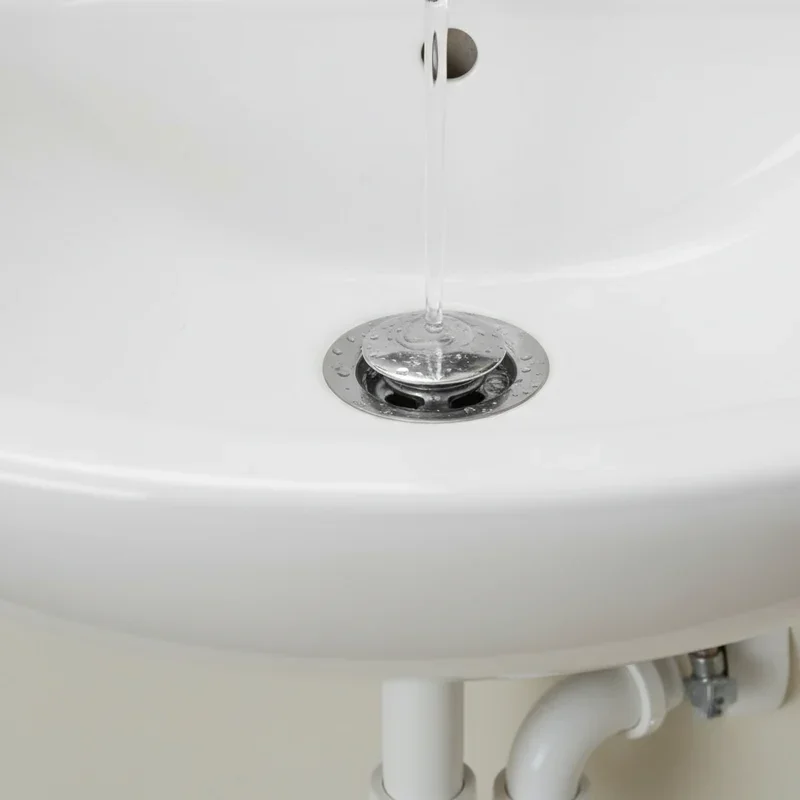
Boil a full kettle or pot of water. Carefully pour it directly down the drain in two or three stages, allowing the hot water to work for a few seconds between pours. The heat melts soap residue and pushes loosened gunk through the pipes.
One important note here. Only use boiling water if you have metal pipes. PVC pipes can be damaged by extreme heat, so use very hot tap water instead if you're unsure what material your plumbing is made from.
The Bent Wire Hanger Technique
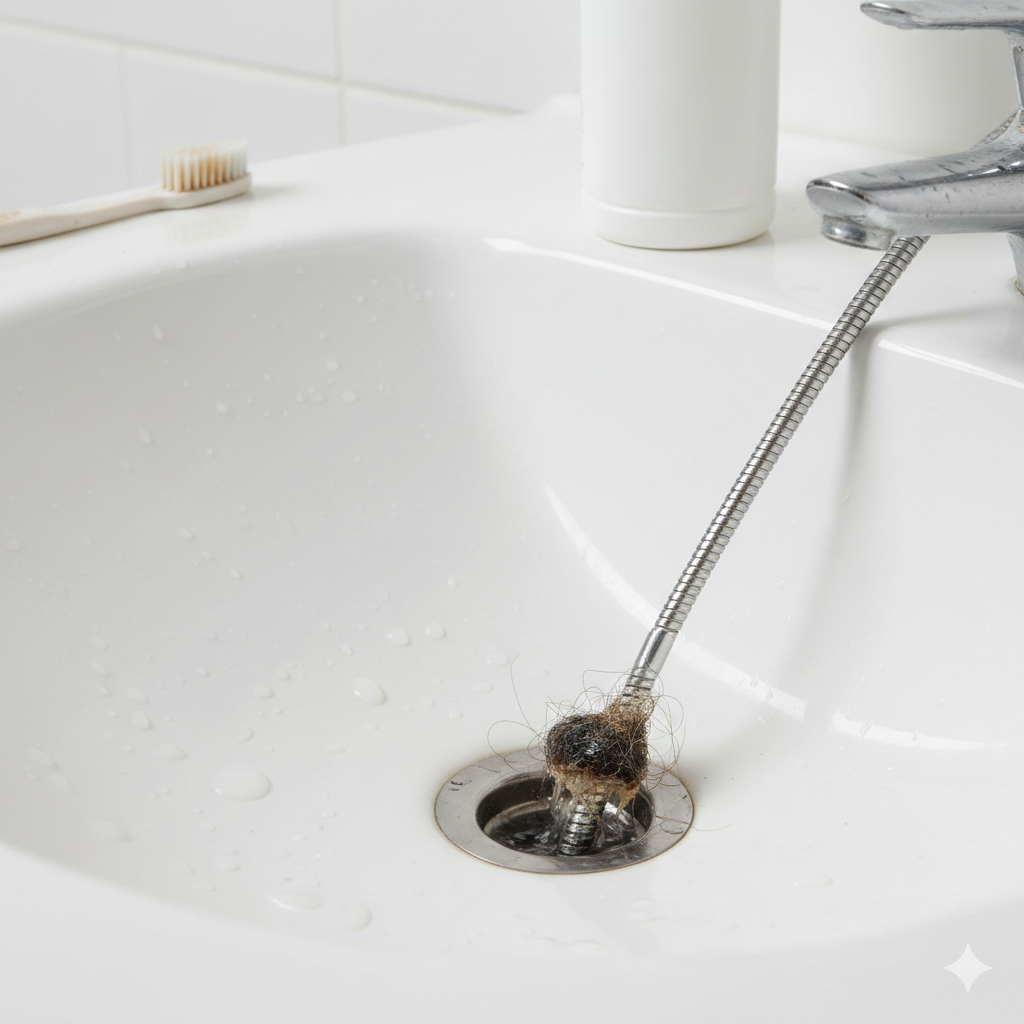
Got a wire coat hanger lying around? Perfect. Straighten it out and create a small hook at one end. This improvised tool reaches into the drain and pulls out clogs rather than pushing them further down.
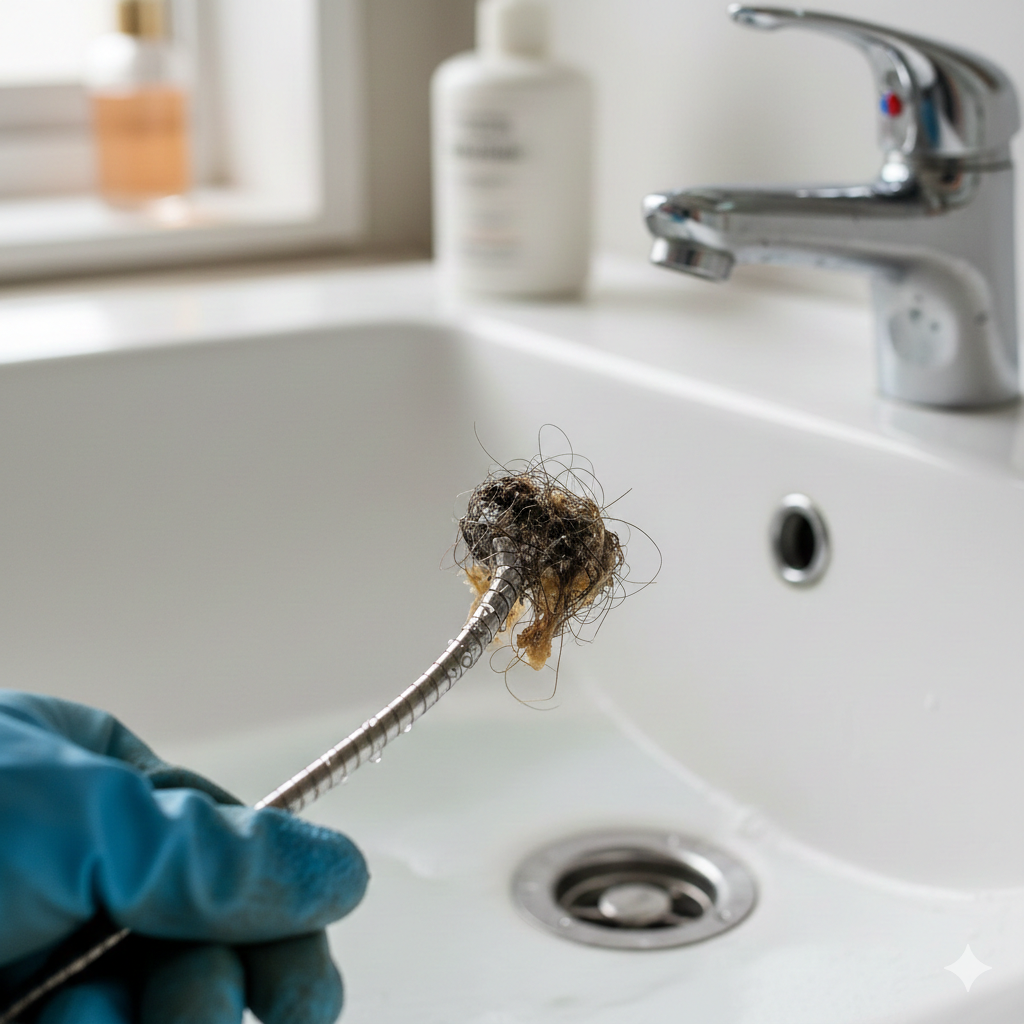
Remove the drain stopper first if possible. Insert your hooked wire into the drain opening and start fishing around. You're trying to snag hair and gunk and pull it back up. It's not glamorous work, but it's incredibly effective.
Be prepared for some nastiness. The stuff that comes up can be pretty revolting, but that's exactly what was blocking your drain. Have paper towels ready and a trash bag nearby.
Baking Soda and Vinegar Magic
This classic combination creates a fizzing reaction that helps break up clogs naturally. It's gentle on pipes and doesn't involve harsh chemicals.
Pour about half a cup of baking soda down the drain. Follow it with half a cup of white vinegar. You'll hear fizzing and bubbling as the mixture reacts. Cover the drain with a plug or wet cloth to keep the action focused downward rather than erupting back up.
Wait fifteen to thirty minutes, then flush everything through with hot water. For stubborn clogs, you might repeat this process a couple of times.
How to Unclog a Bathroom Sink Drain: Tips and Techniques Using a Plunger
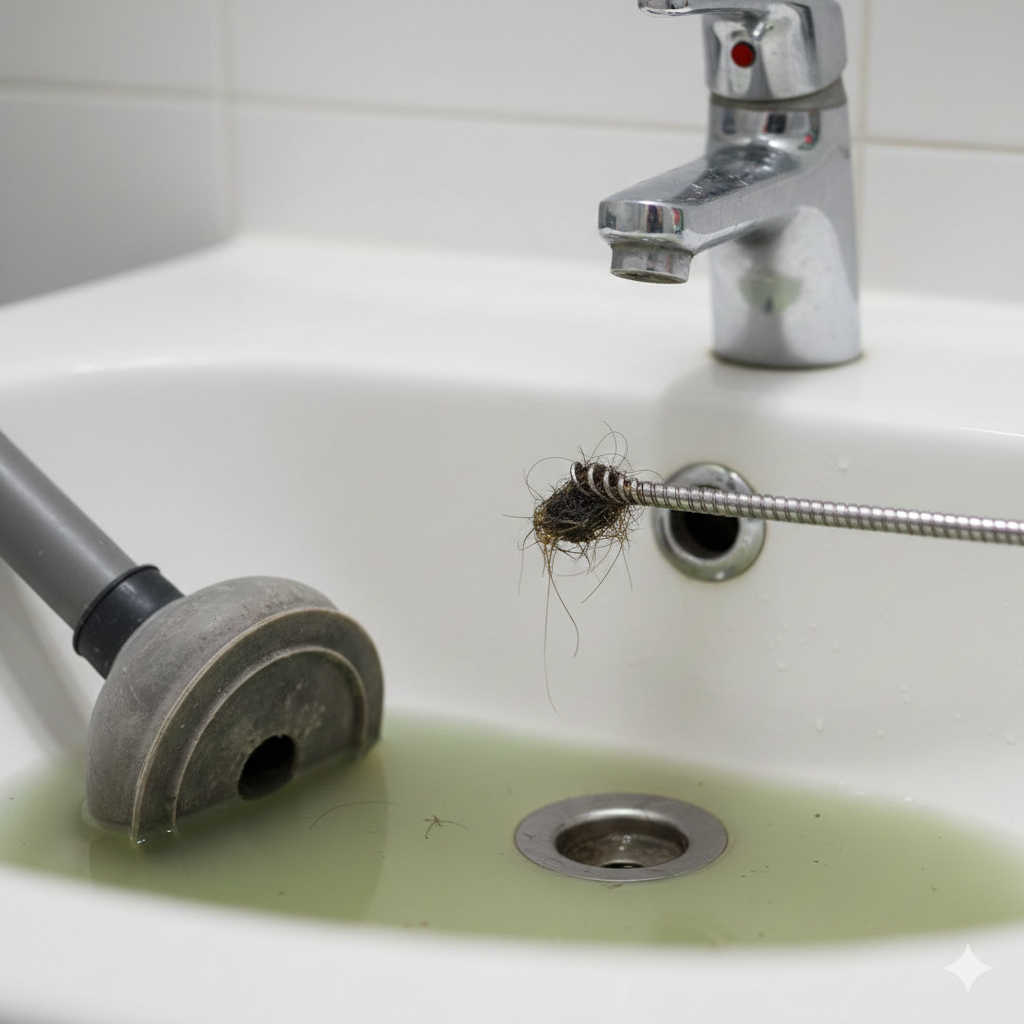
When quick fixes don't cut it, it's time to bring out the plunger. Yes, plungers work on sinks too, not just toilets! You'll want a cup plunger rather than a flange plunger for sink work.
Setting Up for Success
First, block the overflow hole. That's the small opening near the top of your sink bowl. Stuff a wet rag into it firmly. This is crucial because the overflow connects to your drain, and air escaping through it reduces your plunging power significantly.
Add enough water to the sink to cover the plunger cup. You need water, not air, to create the hydraulic pressure that dislodges clogs.
Proper Plunging Technique
Position your plunger directly over the drain opening and press down to create a seal. The rubber cup should flatten against the sink surface with no gaps.
Now pump the handle vigorously up and down about fifteen to twenty times. Keep the seal intact throughout. You're creating pressure waves that push and pull at the clog, breaking it apart and moving it through the pipe.
Pull the plunger away sharply on your final stroke. If water rushes down the drain, congratulations! If not, repeat the process several times. Sometimes stubborn clogs need multiple rounds of plunging before they finally give way.
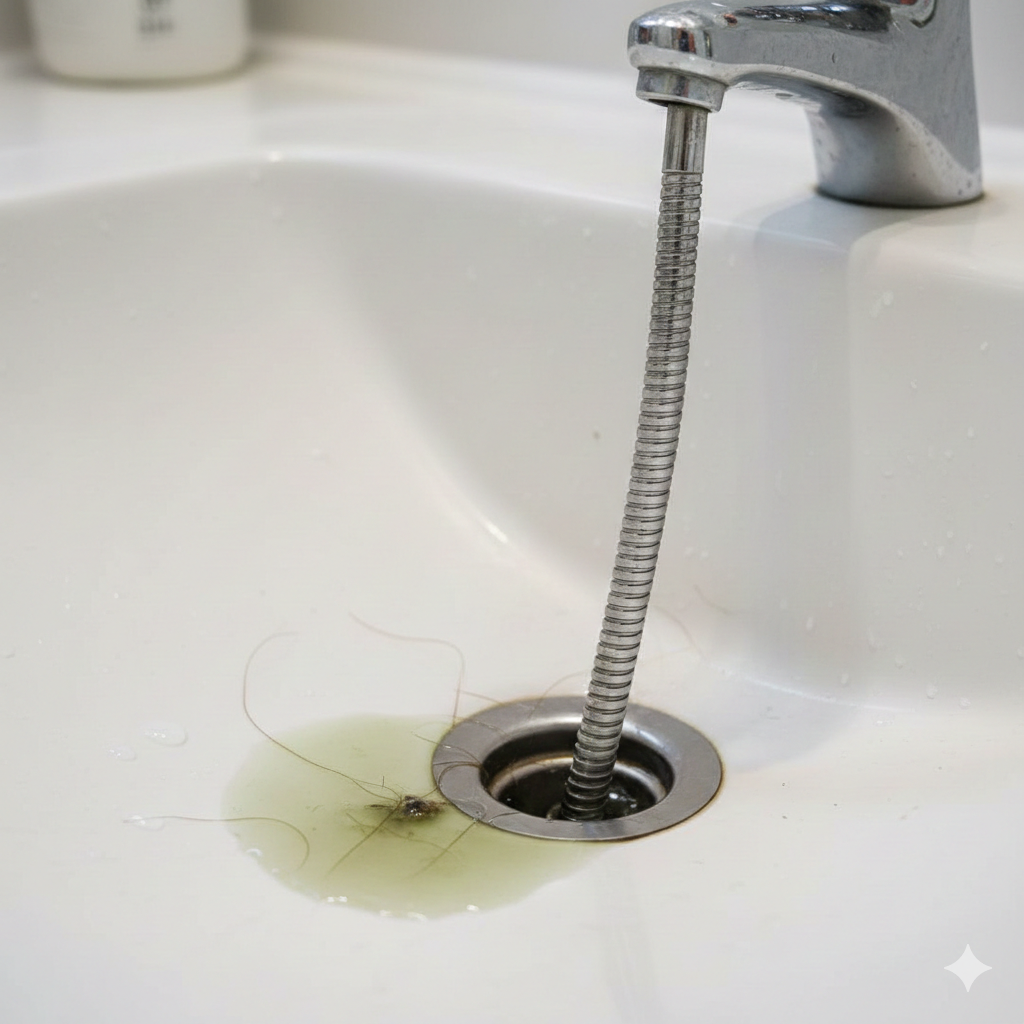
Going Deeper: Cleaning the P-Trap
If plunging doesn't solve the problem, the clog might be sitting in your P-trap. That's the curved section of pipe directly beneath your sink. Good news is that it's designed to be removable for exactly this reason.
What You'll Need
Gather a bucket or large bowl, some old towels, rubber gloves, and possibly a pair of slip-joint pliers. The gloves aren't strictly necessary, but trust me, you'll want them.
Step-by-Step P-Trap Cleaning
Place your bucket directly under the P-trap to catch water and debris. There will be standing water in the trap, and it's going to come out when you disconnect things.
Locate the slip nuts on both ends of the curved pipe section. These connect the P-trap to the sink tailpiece above and the wall pipe behind. Most can be loosened by hand, but older or stubborn connections might need pliers.
Unscrew both slip nuts and carefully remove the P-trap. Water and gunk will spill into your bucket. Don't be alarmed by what you find inside. It's often a disturbing collection of hair, sludge, and unidentifiable crud.
Clean the P-trap thoroughly. Take it to another sink or use a bottle brush to scrub the interior. Check the connections you detached for buildup as well.
Reassemble everything by hand-tightening the slip nuts. Run water to test for leaks, and tighten slightly more if needed. Don't overtighten or you risk cracking the nuts or damaging threads.
How to Unclog a Bathroom Sink Drain: Tips and Techniques with a Drain Snake
For clogs located deeper in the pipe system, a drain snake, also called a plumber's auger, becomes your best friend. This tool reaches far beyond what you can access by hand.
Choosing the Right Snake
For bathroom sinks, a small hand-crank snake works perfectly. These are inexpensive, available at any hardware store, and easy enough for beginners to operate. Models with fifteen to twenty-five feet of cable handle most residential clogs.
Using the Snake Properly
Remove the P-trap for easiest access, or insert the snake through the drain opening if you prefer. Push the cable into the pipe until you feel resistance. That's likely your clog.
Turn the handle clockwise while applying gentle forward pressure. The rotating motion helps the snake bore through the blockage or catch it so you can pull it back out.
If you feel the snake break through, push a bit further to make sure you've cleared everything. Then slowly retract the cable, cleaning it as it comes out.
After snaking, flush the drain with plenty of hot water to wash away any remaining debris. Test drainage several times to confirm the clog is completely gone.
Chemical Drain Cleaners: Should You Use Them
Walk down any hardware store aisle and you'll find dozens of chemical drain cleaners promising instant results. But should you actually use them?
The Case Against Chemicals
Most commercial drain cleaners contain harsh ingredients like sodium hydroxide or sulfuric acid. These chemicals can damage pipes over time, especially older metal plumbing or PVC connections.
They're also dangerous to have around the house, particularly with children or pets. Splashes cause serious burns, and fumes can irritate respiratory systems.
From an environmental standpoint, these chemicals eventually end up in water treatment systems where they create additional problems.
When Chemicals Might Be Appropriate
Occasional use of enzymatic drain cleaners offers a gentler alternative. These products use bacteria to digest organic matter rather than burning through clogs with caustic chemicals.
If you do use chemical cleaners, follow instructions exactly and never mix different products. The reactions can be dangerous or even explosive.
Preventing Future Clogs
Once you've conquered the clog, let's keep it from coming back. A little prevention goes a long way.
Install a Drain Guard
A simple mesh drain cover catches hair and debris before it enters your pipes. These cost just a few dollars and make a huge difference. Clean them weekly for best results.
Regular Maintenance Flushes
Once a week, pour boiling water down your drain to melt soap buildup. Once a month, do the baking soda and vinegar treatment as preventive maintenance rather than waiting for problems to develop.
Mind What Goes Down
Be conscious about what enters your drain. Brush hair away from the sink before it falls in. Wipe away excess toothpaste and soap rather than rinsing it all down.
Clean the Stopper Regularly
Pop out your sink stopper every few weeks and clean off the accumulated gunk. You'll be amazed what builds up on that mechanism, and cleaning it takes just seconds.
When to Call a Professional
Sometimes clogs defeat even your best efforts. Knowing when to surrender saves time and prevents potential damage.
If you've tried multiple methods without success, the clog might be located deep in your main drain line where DIY tools can't reach. Persistent drainage issues throughout multiple fixtures suggest a bigger problem beyond just the bathroom sink.
Strange smells despite cleaning could indicate sewer line issues. Water backing up from other drains when you use the sink points to main line problems requiring professional equipment.
Conclusion
Dealing with a clogged bathroom sink doesn't have to ruin your day or empty your wallet. This how to unclog a bathroom sink drain: tips and techniques guide has armed you with multiple approaches ranging from simple boiling water flushes to more involved P-trap cleaning and drain snaking. Start with the easiest methods and work your way up if needed. Most importantly, incorporate preventive habits into your routine to keep clogs from forming in the first place. With these skills in your back pocket, you'll handle future drain issues with confidence and maybe even feel a little proud when that water finally swirls away!
Read next: How to Clean Bathroom Sink Drain in Simple Steps
Frequently Asked Questions
1. How often should I clean my bathroom sink drain?
Monthly maintenance with baking soda and vinegar helps prevent buildup and keeps drains flowing smoothly.
2. Can I use a toilet plunger on my bathroom sink?
A cup plunger works better for sinks, but toilet plungers can work if properly sealed.
3. Why does my bathroom sink drain smell bad?
Bacteria feeding on trapped hair, soap scum, and organic matter creates unpleasant odors in drains.
4. Is it safe to use boiling water on all drain types?
Boiling water is safe for metal pipes but may damage PVC, so use hot tap water instead.
5. How do I know if the clog is beyond DIY repair?
Multiple failed attempts, recurring clogs, or backups in other fixtures indicate professional help is needed.
Stay up to date with our latest ideas!