How to Build a Fireplace for a Warm, Cozy Home
Discover how to build a fireplace for a warm, cozy home with our complete guide covering planning, materials, and expert construction tips.
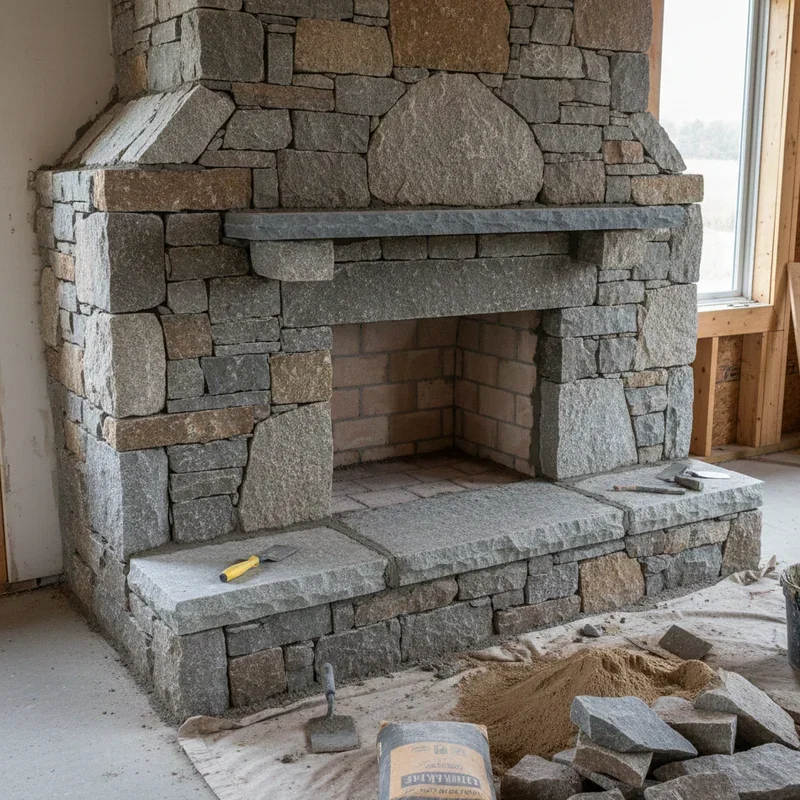
There's nothing quite like gathering around a crackling fire on a cold winter evening. The dancing flames, the gentle warmth spreading through the room, and that unmistakable woodsy aroma create an atmosphere that no other home feature can replicate. A fireplace isn't just a heat source; it's the heart of a home, a place where families connect, stories are shared, and memories are made.
Maybe you've been dreaming about adding a fireplace to your living room for years. Or perhaps you've just moved into a house that's crying out for that missing focal point. Whatever brought you here, you're probably wondering if building a fireplace is something you can actually tackle. Well, here's the good news: while it's certainly a significant project, understanding how to build a fireplace for a warm, cozy home is absolutely within reach for dedicated DIYers and homeowners willing to put in the work.
Now, let's be upfront about something important. Building a fireplace isn't like assembling a bookshelf from a flat pack. This project involves structural considerations, fire safety regulations, and potentially some permits depending on where you live. But don't let that scare you off. With proper planning, the right materials, and a healthy respect for the process, you can create something truly spectacular.
Throughout this comprehensive guide, we'll walk you through everything from choosing the right fireplace type for your space to laying that final stone on the surround. We'll cover the tools you'll need, the materials to consider, and those crucial safety elements that keep your family protected. So grab a warm drink, settle in, and let's explore how to bring this timeless feature into your home.
Understanding Fireplace Types Before You Begin
Before you start hauling bricks and mixing mortar, you've got to figure out what kind of fireplace makes the most sense for your situation. Each type comes with its own set of requirements, benefits, and challenges.
Traditional Masonry Fireplaces
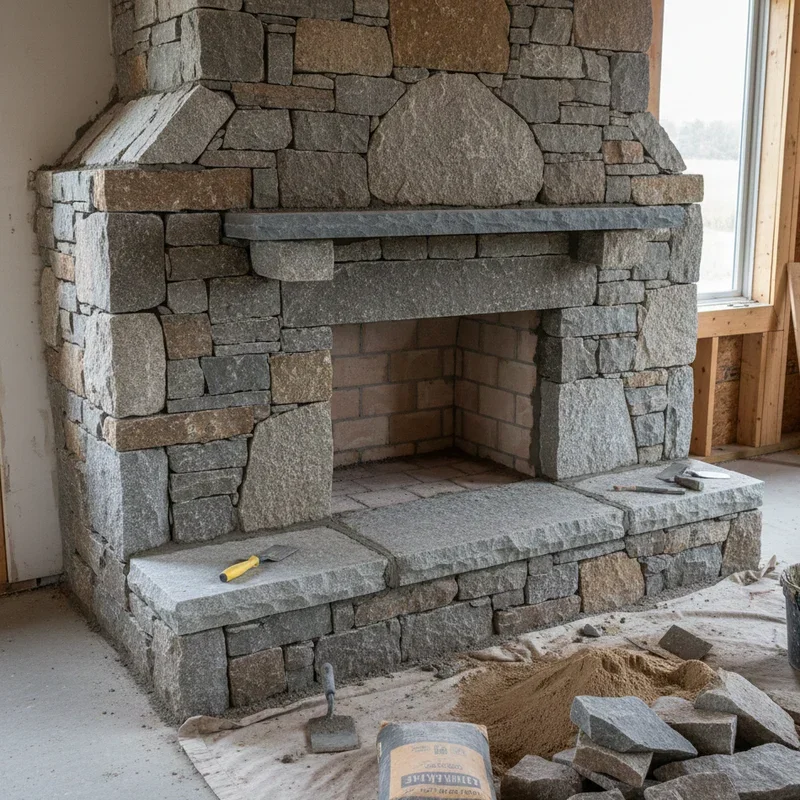
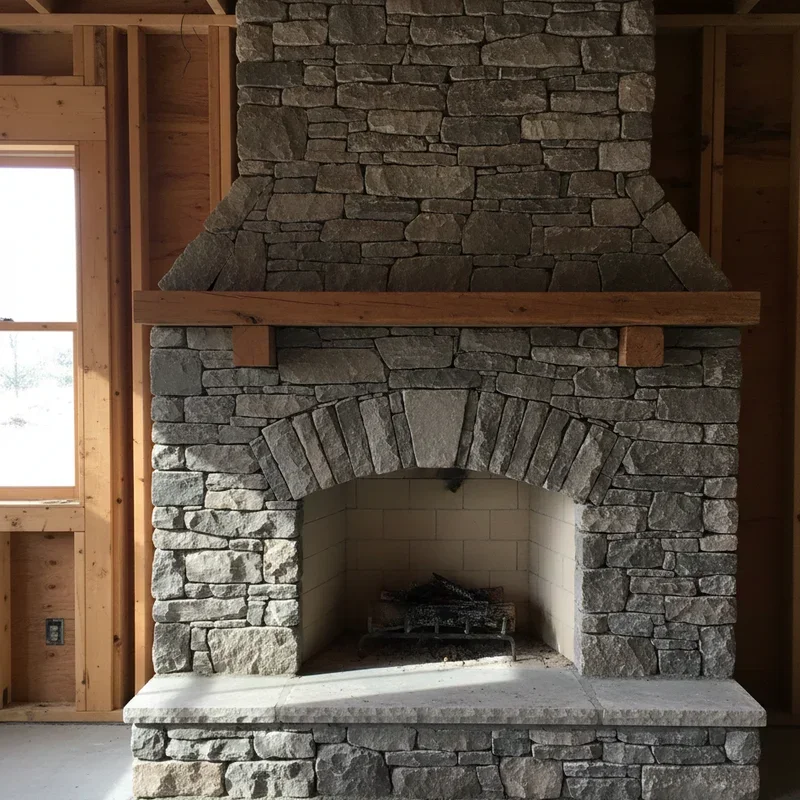
This is the classic, old-school fireplace that's been warming homes for centuries. Built from brick, stone, or concrete block, a masonry fireplace is a permanent structure that requires a solid foundation and a properly constructed chimney. These beauties are incredibly durable and can last for generations when built correctly.
However, they're also the most labor-intensive and expensive option. You'll need significant structural support since a full masonry fireplace and chimney can weigh several tons. If you're building from scratch in an existing home, this might require foundation work, which adds complexity and cost.
Prefabricated Fireplace Inserts
For many homeowners, prefabricated or "zero-clearance" fireplaces offer a more practical solution. These factory-built units come ready to install and use lightweight metal chimneys that don't require the massive structural support of traditional masonry. They're easier to install, more affordable, and still provide that authentic fireplace experience.
The trade-off? They typically don't last as long as masonry fireplaces and may need replacement after 20 to 30 years. But for many folks, the reduced cost and simplified installation make this a perfectly reasonable compromise.
Gas Fireplaces
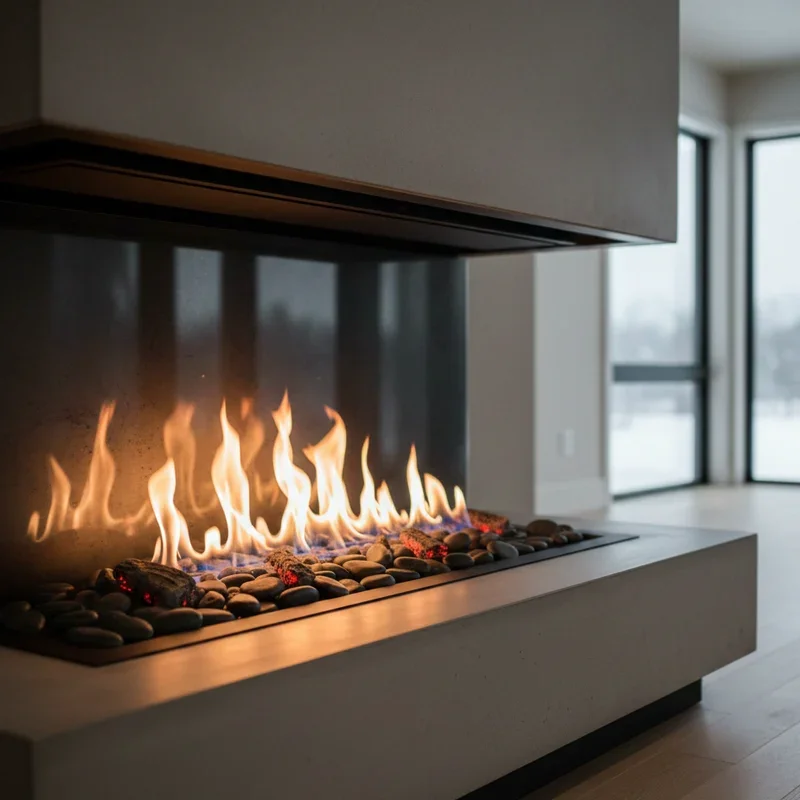
If you love the look of a fireplace but aren't keen on hauling firewood and cleaning ash, gas fireplaces deserve consideration. They're incredibly convenient, flip on with a switch, and provide consistent heat without the mess. Modern gas units produce remarkably realistic flames that can fool even close observers.
Installation is generally simpler than wood-burning options, though you'll need a gas line run to the location. Venting requirements are also less demanding, with some models offering direct-vent options that can go through an exterior wall rather than up through a chimney.
Electric Fireplaces
While we won't focus heavily on these since they don't involve true "building," electric fireplaces have their place. They require no venting, no gas lines, and can be installed almost anywhere with an electrical outlet. For apartments, condos, or spaces where traditional fireplaces aren't feasible, they provide ambiance without the complexity.
Planning Your Fireplace Project
Proper planning separates successful fireplace projects from costly disasters. Trust me, you want to spend ample time in this phase before you pick up a single tool.
Location, Location, Location
Where you place your fireplace affects everything from construction requirements to how well it heats your space. Consider these factors when choosing your spot:
Structural support: Can the floor support the weight? Ground floor locations over a basement or crawl space are often easiest since you can add foundation support if needed.
Chimney path: The chimney needs to go straight up or with minimal offsets. Look at what's above your chosen location. Are there second-floor rooms, plumbing, or electrical in the way?
Room layout: A fireplace becomes the focal point of any room. Think about furniture arrangement, traffic flow, and sight lines from various seating areas.
Heat distribution: Fireplaces on interior walls tend to keep more heat inside the home, while those on exterior walls may lose some warmth through the chimney structure.
Permits and Building Codes
Here's something you absolutely cannot skip. Building a fireplace involves fire safety, structural modifications, and sometimes gas or electrical work. Most jurisdictions require permits for this type of project, and inspections at various stages ensure everything meets code.
Contact your local building department before you begin. They'll tell you what permits you need, what codes apply, and what inspections you'll face. Yes, this adds time and some expense, but it also protects your family and your investment. An improperly built fireplace isn't just inefficient; it's genuinely dangerous.
Budgeting Realistically
Fireplace costs vary wildly depending on type, size, and finish materials. Here's a rough breakdown to help you plan:
Prefabricated insert with basic surround: $2,000 to $5,000
Mid-range gas fireplace with custom surround: $5,000 to $10,000
Full masonry fireplace with brick chimney: $10,000 to $30,000 or more
Remember to budget for permits, inspections, professional help for specialized tasks (like gas line installation), and a contingency fund for unexpected issues. Adding 15 to 20 percent to your estimated costs helps prevent sticker shock down the road.
Essential Tools and Materials
Having everything on hand before you start prevents frustrating trips to the hardware store mid-project. Here's what you'll need for a typical fireplace build.
Tools for the Job
Masonry tools: Trowels, jointing tools, brick hammer, mason's level, and a mixing tub for mortar.
General construction: Circular saw, drill/driver, hammer, pry bar, tape measure, carpenter's level, and chalk line.
Safety equipment: Safety glasses, work gloves, dust mask, hearing protection, and knee pads (your knees will thank you).
Specialized items: Angle grinder with masonry blade for cutting brick or stone, scaffolding or sturdy ladder for chimney work, and a wheelbarrow for moving heavy materials.
Materials Checklist
The specific materials depend on your design, but most fireplace projects include:
Firebrick for the firebox interior (regular brick won't handle the heat)
Refractory mortar for firebrick installation
Standard brick, stone, or block for the structure and surround
Type S mortar for general masonry work
Steel lintel to support masonry above the firebox opening
Damper assembly for controlling airflow
Smoke chamber components
Flue liner (clay tile or stainless steel)
Chimney cap and spark arrestor
Concrete for foundation work if required
Combustible clearance materials and heat shields
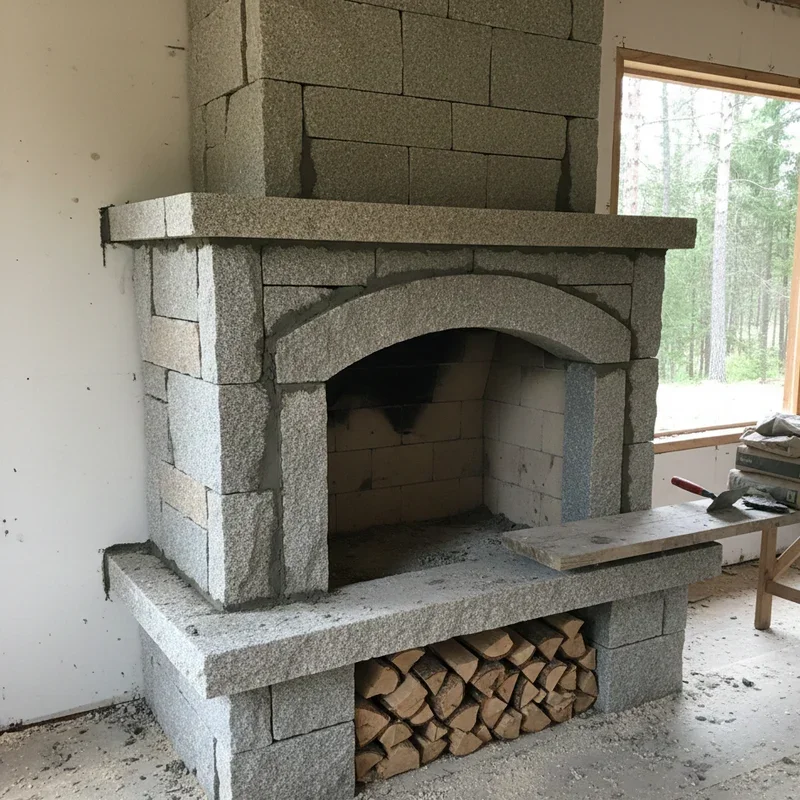
How to Build a Fireplace for a Warm, Cozy Home: Step-by-Step Construction
Now we're getting to the meat of the project. Following these steps in order will help ensure a safe, functional, and beautiful result.
Step 1: Prepare the Foundation
A masonry fireplace needs solid support. If you're building on a concrete slab, you may be able to build directly on it after verifying it can handle the load. For wood-framed floors, you'll likely need to pour a concrete foundation that extends below the frost line in your area.
The foundation should extend at least 6 inches beyond the fireplace footprint on all sides and be at least 12 inches thick. This is one area where cutting corners can lead to serious structural problems, so don't skimp on foundation work.
Step 2: Construct the Firebox
The firebox is where the magic happens, where your fires will actually burn. It needs to withstand extreme temperatures, so construction here is critical.
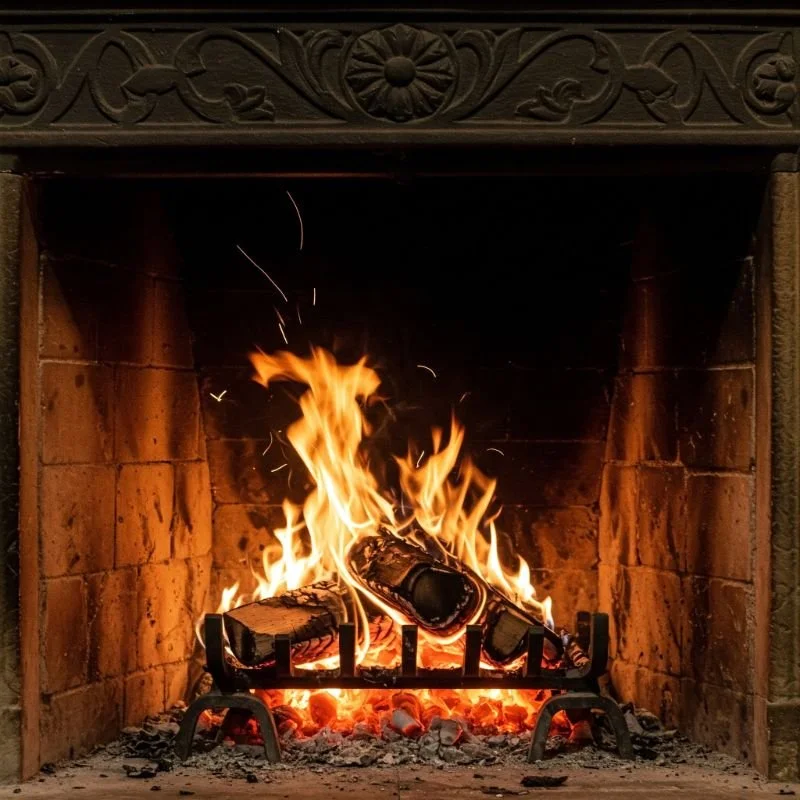
Line the firebox interior with firebrick set in refractory mortar. Standard dimensions for a firebox are typically 36 inches wide, 29 inches high, and 20 inches deep, though you can adjust based on your space and preferences. The back wall should angle forward slightly starting about a third of the way up; this design helps reflect heat into the room.
Install a steel lintel across the top of the firebox opening to support the masonry above. This lintel should extend at least 4 inches into the masonry on each side for proper support.
Step 3: Build the Smoke Chamber and Throat
Above the firebox, you'll create the throat, a narrow opening where the damper sits, and the smoke chamber, which funnels smoke from the wide firebox into the narrower flue.
The smoke chamber walls should angle inward gradually, typically at no more than a 45-degree angle. Some builders use precast concrete smoke chamber forms, which simplify this step considerably. Whatever method you use, make sure interior surfaces are smooth to allow smoke to flow freely without creating turbulence.
Install your damper assembly at the throat. This adjustable metal plate lets you control airflow and close off the chimney when the fireplace isn't in use, preventing heated or cooled air from escaping up the flue.
Step 4: Install the Flue Liner
The flue liner protects your chimney structure from heat and corrosive combustion byproducts while providing a smooth path for smoke and gases to exit. Clay tile liners are traditional and cost-effective, while stainless steel liners offer easier installation and excellent durability.
Size matters here. A flue that's too small won't draft properly, causing smoke to back up into your room. Too large, and the fire won't draw well. Generally, the flue area should be about one-tenth the area of the fireplace opening, though local codes may specify requirements.
Stack clay liner tiles with refractory mortar between joints, making sure each piece is level and properly aligned. For stainless steel liners, follow manufacturer instructions for installation and connection to the smoke chamber.
Step 5: Build the Chimney Structure
With your liner in place, build the chimney structure around it. Maintain proper clearance between the flue liner and combustible materials, typically at least 2 inches filled with noncombustible insulation.
The chimney should extend at least 3 feet above the point where it passes through the roof and at least 2 feet higher than any structure within 10 feet. These height requirements help ensure proper draft and reduce fire risk from sparks.
Install proper flashing where the chimney meets the roof to prevent water infiltration. This is a common failure point, so take your time getting it right or consider hiring a professional for this portion.
Step 6: Finish with a Chimney Cap
Top your chimney with a cap that includes a spark arrestor screen. This simple addition prevents rain from entering, keeps animals and debris out, and catches sparks that could land on your roof or nearby vegetation.
Step 7: Create Your Surround and Mantel
With the functional elements complete, it's time for the fun part. The surround and mantel transform your fireplace from a utilitarian heat source into a stunning architectural feature.
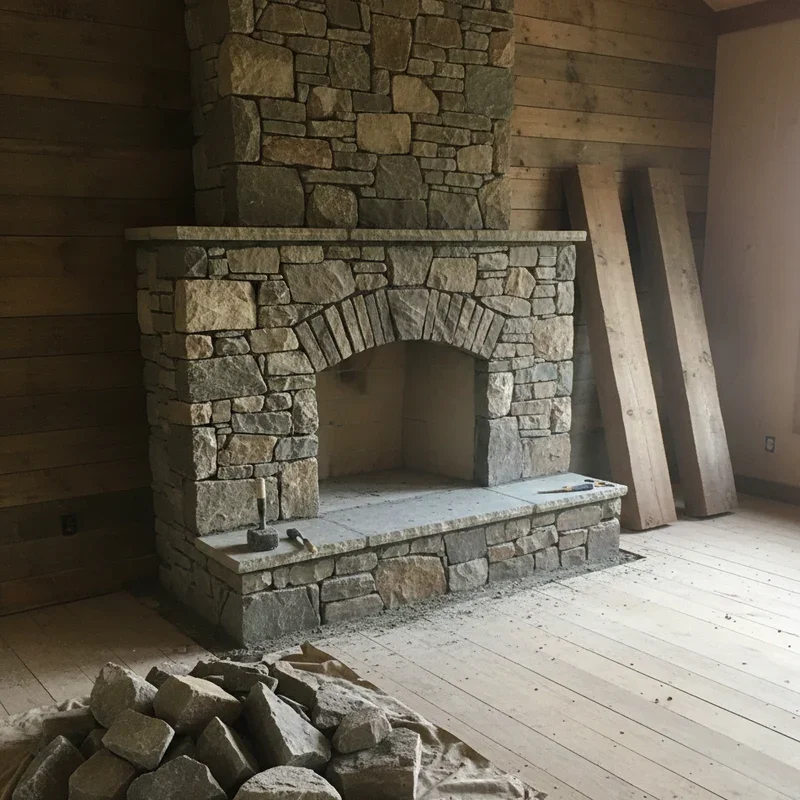
Stone veneer, tile, brick, or even simple painted drywall can create beautiful surrounds. Just remember to maintain proper clearances from the firebox opening. Combustible materials like wood mantels typically need to be at least 12 inches from the firebox top and 6 inches from the sides, though specific requirements vary by code.
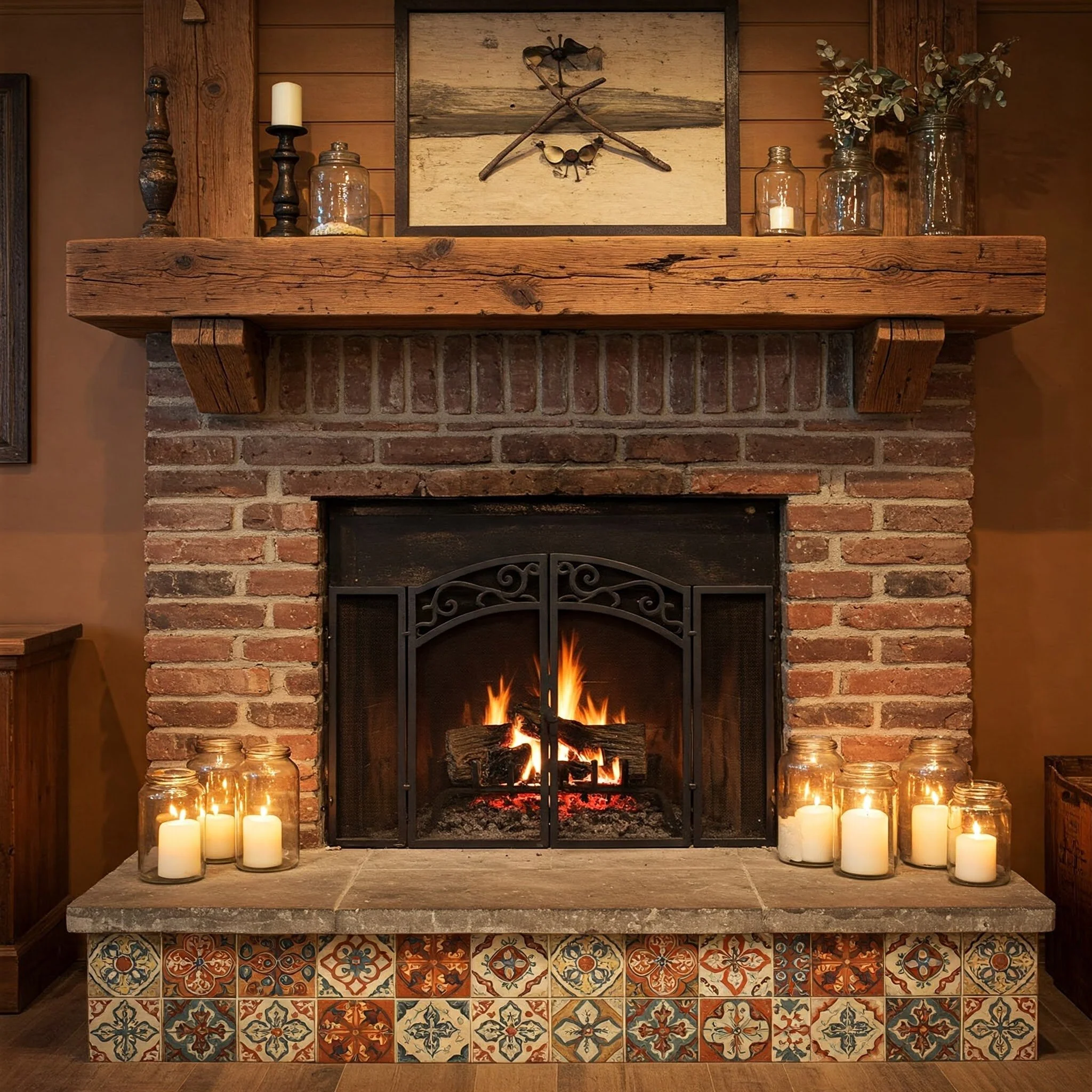
A substantial wood mantel adds warmth and provides a perfect spot for displaying family photos, seasonal decorations, or that antique clock you inherited from your grandmother. You can purchase premade mantels or build your own from a reclaimed beam for rustic character.
Safety Considerations You Cannot Ignore
Fire is beautiful but unforgiving. These safety elements are absolutely nonnegotiable.
Proper Clearances
Maintain required clearances between your fireplace and any combustible materials, including framing, flooring, and furniture. Your local building code specifies exact requirements, but common standards include keeping combustibles at least 36 inches from the fireplace opening and maintaining appropriate clearances around the chimney throughout its length.
Carbon Monoxide Protection
Install carbon monoxide detectors near your fireplace and in sleeping areas. While a properly functioning fireplace vents combustion gases outside, issues with draft or flue blockage can allow deadly carbon monoxide to enter your living space.
Smoke Detectors
Speaking of protection, ensure you have working smoke detectors throughout your home, with at least one in the room containing the fireplace. Test them monthly and replace batteries annually.
Hearth Extension
The hearth in front of your fireplace should extend at least 16 inches from the firebox opening and 8 inches beyond each side. This noncombustible surface catches stray embers and sparks, protecting your flooring from damage and reducing fire risk.
Finishing Touches for Maximum Coziness
You've done the hard work of learning how to build a fireplace for a warm, cozy home. Now let's make sure the finished product lives up to that promise.
Fireplace Accessories
Stock up on these essentials:
Fireplace screen to contain sparks
Andirons or a grate to hold logs above the floor for better airflow
Poker, tongs, and ash shovel (a matching set looks sharp)
Ash bucket with lid for safe disposal
Wood holder or rack near the fireplace for convenient access to fuel
Creating Ambiance
Think beyond the fireplace itself. Comfortable seating arranged to enjoy the fire's warmth, soft lighting that complements the flames, and cozy textiles like throw blankets and plush rugs all contribute to that inviting atmosphere you're after.
Maintenance Matters
A well-maintained fireplace is a safe fireplace. Have your chimney inspected and cleaned annually by a certified professional. Remove ashes regularly, but leave about an inch in the firebox during burning season since this layer actually helps fires burn more efficiently.
Conclusion
Building a fireplace is undeniably a substantial undertaking, but the reward is equally substantial. You'll have created more than just a heat source; you've built a gathering place, a design centerpiece, and a legacy feature that will serve your family for decades. From those first chilly autumn evenings to the coldest January nights, your fireplace will provide warmth, comfort, and countless opportunities for connection. This guide on how to build a fireplace for a warm, cozy home has given you the roadmap, and now the rest is up to you. Here's to many wonderful fires in your future.
Read next: How to Start a Fire in a Fireplace Safely
Frequently Asked Questions
1. How much does it cost to build a fireplace from scratch?
Expect to spend between $2,000 and $30,000 depending on type and materials chosen.
2. Do I need a permit to build a fireplace?
Yes, most jurisdictions require permits and inspections for fireplace construction projects.
3. Can I build a fireplace in an existing home?
Absolutely, though it requires careful planning for foundation support and chimney routing.
4. How long does it take to build a fireplace?
A typical fireplace project takes between two and six weeks to complete.
5. What is the best fireplace type for beginners?
Prefabricated inserts are most beginner-friendly since they simplify the construction process significantly.
Stay up to date with our latest ideas!