What Is a Cubby Bed? A Simple Guide for Parents
Discover what is a cubby bed in this simple guide for parents. Learn benefits, styles, and tips for choosing perfectly!
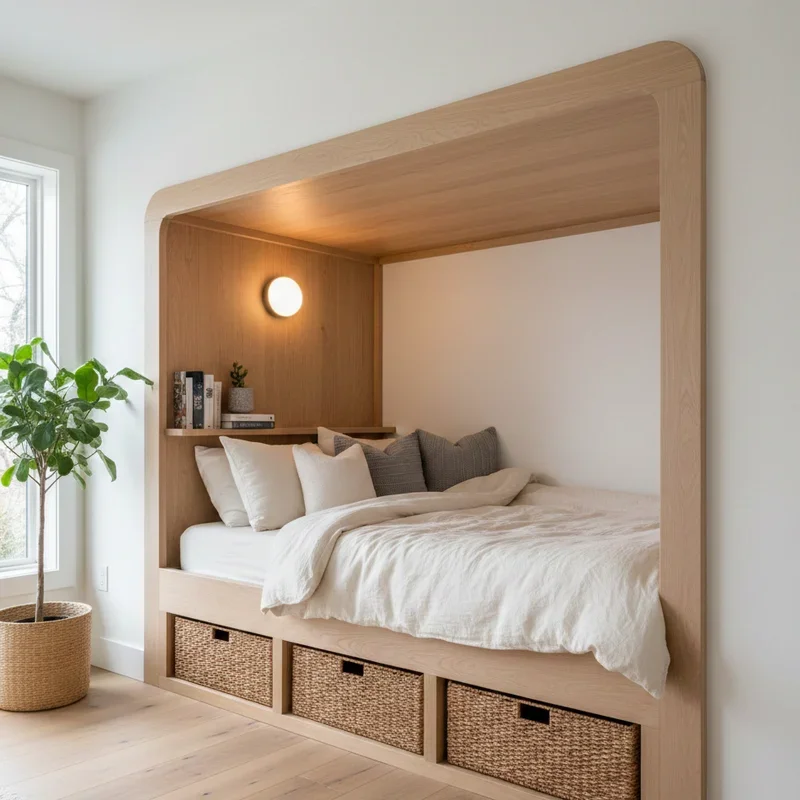
If you've been scrolling through Pinterest lately or flipping through home design magazines, chances are you've stumbled across those adorable enclosed sleeping spaces that look like cozy little hideaways. They go by different names, but cubby beds have taken the children's furniture world by storm, and honestly, it's not hard to see why. These clever bed designs tap into something kids instinctively love: the feeling of having their own special nook in the world.
Remember building blanket forts as a kid? That magical feeling of creating a secret space where you were the ruler of your tiny kingdom? Cubby beds capture that same enchantment but in a permanent, practical, and absolutely gorgeous way. They're not just beds. They're adventure zones, reading retreats, and cozy cocoons all rolled into one.
But here's the thing. With so many options flooding the market, parents often find themselves scratching their heads trying to figure out what exactly makes a cubby bed different from other children's beds, and whether it's the right choice for their little one. This what is a cubby bed? A simple guide for parents will clear up all the confusion and help you decide if this trending sleep solution deserves a spot in your child's room.
So grab a cup of coffee, get comfortable, and let's explore everything you need to know about these charming sleeping spaces!
What Exactly Is a Cubby Bed
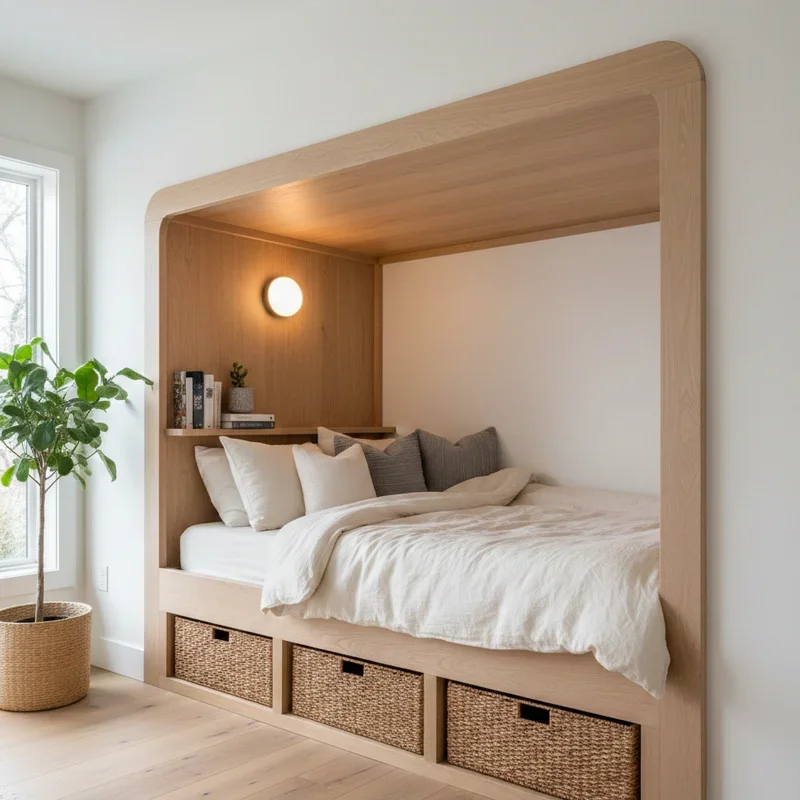
Let's start with the basics because the term gets thrown around pretty loosely these days. A cubby bed is essentially an enclosed or partially enclosed sleeping space designed to create a cozy, den-like environment for children. Think of it as a bed built into a nook, alcove, or purpose-built structure that surrounds the sleeper with walls on multiple sides.
The key characteristic that sets cubby beds apart from regular beds is that sense of enclosure. While a standard bed sits open in the room, exposed on all sides except where it meets the wall, a cubby bed creates boundaries that make the sleeping space feel contained, protected, and intimate.
These beds come in countless styles and configurations. Some are built into existing architectural features like under-stair spaces or window alcoves. Others are freestanding furniture pieces designed to create that enclosed feeling anywhere in the room. Some incorporate the mattress at floor level, while others elevate it with storage underneath.
The common thread running through all cubby bed designs is that deliberate creation of a snug, defined sleeping area that feels separate from the rest of the room. It's a little world within a world, and kids absolutely eat it up.
The Psychology Behind Why Kids Love Cubby Beds
There's actual science behind why children gravitate toward small, enclosed spaces. Understanding this helps explain why cubby beds work so well and might convince skeptical parents to give them a shot.
The Den Instinct
Humans, especially young ones, have an innate attraction to enclosed spaces. Evolutionary psychologists suggest this stems from our ancestors seeking shelter and protection. A small, bounded space feels safer and more controllable than wide-open areas.
Kids express this instinct constantly. They squeeze into cardboard boxes, build elaborate pillow forts, claim the space under tables, and create tents from bedsheets. A cubby bed simply formalizes this natural tendency into functional furniture.
Sensory Regulation
For many children, the enclosed nature of cubby beds provides valuable sensory input. The proximity of walls creates a subtle feeling of compression that some kids find deeply calming. It's similar to the concept behind weighted blankets.
Children who feel overstimulated by busy environments often thrive in cubby beds because the enclosed space reduces visual distractions and creates a buffer from household activity. This makes falling asleep easier and improves overall sleep quality.
Autonomy and Ownership
Having a clearly defined personal space gives children a sense of ownership and control. The cubby bed becomes their territory, their domain, their special place. This psychological ownership supports healthy development of independence and personal identity.
When a child can retreat to their cubby bed and know it's entirely theirs, it builds confidence and emotional security. That's a pretty powerful benefit from a piece of furniture!
What Is a Cubby Bed? A Simple Guide for Parents on Different Styles
Cubby beds aren't one-size-fits-all. The market offers tremendous variety, and understanding the different styles helps you find the perfect match for your child and your space.
Built-In Alcove Beds
These cubby beds are integrated directly into the room's architecture. Built into wall recesses, under staircases, or within custom cabinetry, they become permanent features of the home.
The advantages here include seamless integration with the room's design and maximum space efficiency. The downside? They're not portable, and installation typically requires professional carpentry skills.
Built-in cubby beds work wonderfully in smaller homes where every square foot counts. They transform otherwise wasted spaces into functional sleeping areas while freeing up room for play and activities.
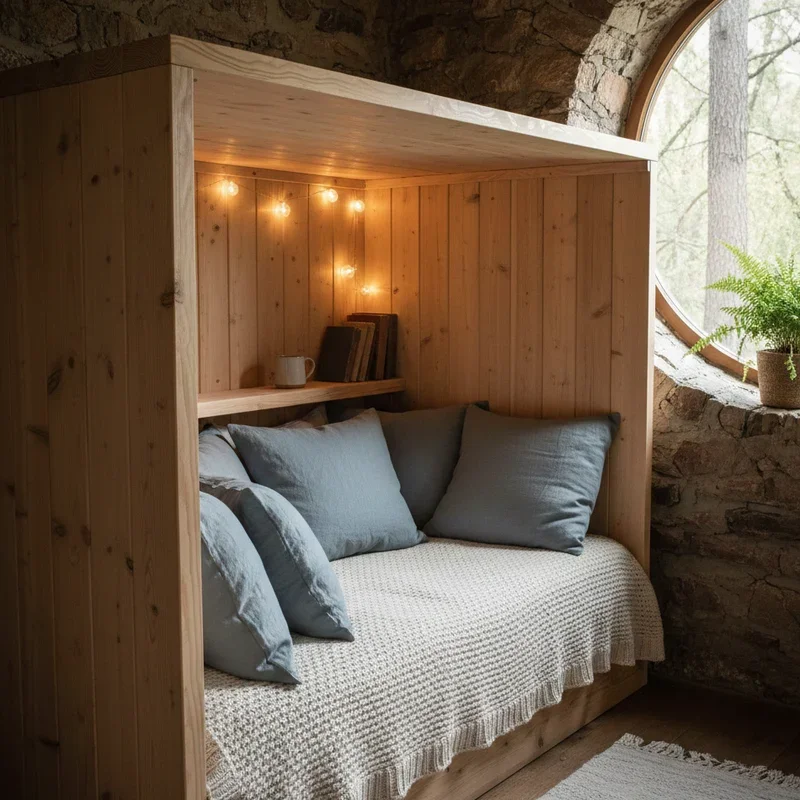
Cabin-Style Freestanding Beds
These are complete furniture pieces designed to create the cubby effect without construction. They typically feature solid panels forming walls around the mattress, with an opening on one side for entry.
Cabin beds range from simple designs with basic enclosure to elaborate structures that look like tiny houses, ships, or castles. Some include built-in lighting, shelving, or curtains for the entrance.
The beauty of freestanding cabin beds is flexibility. They can move with you, get repositioned within the room, or eventually be sold when your child outgrows them.
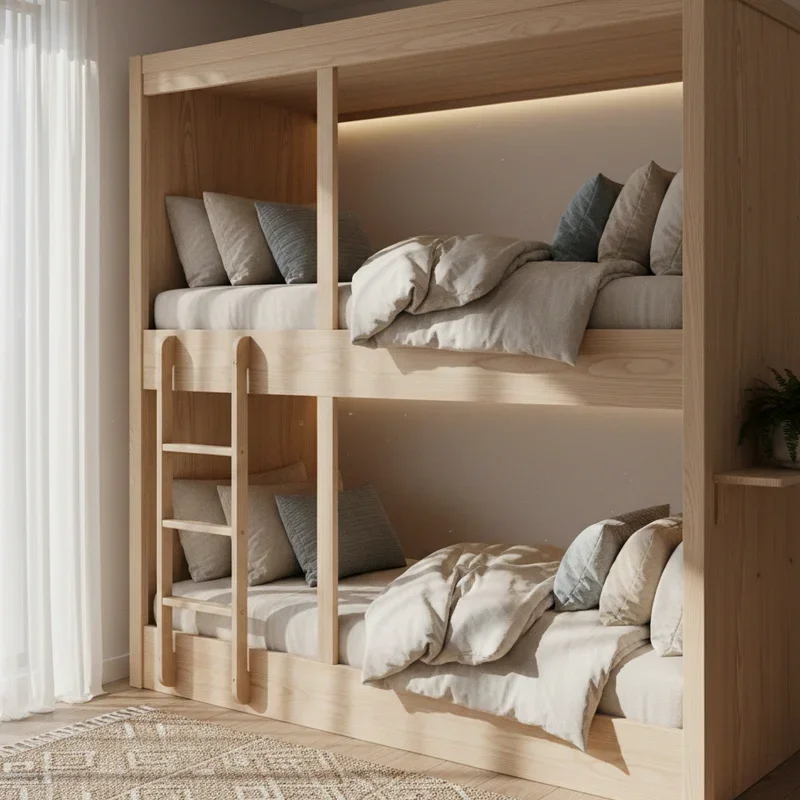
Loft Beds with Cubby Areas
These designs elevate the sleeping surface and create an enclosed cubby space underneath. The area below might serve as a reading nook, play space, desk area, or storage zone.
Loft-style cubby beds maximize vertical space brilliantly. They're especially popular in shared bedrooms or smaller rooms where floor space is precious.
Some versions flip this concept, putting the cubby sleeping area on the ground level with play or storage space above. Both configurations offer that sought-after enclosed sleeping experience.
Canopy and Tent Beds
For parents wanting the cubby bed experience without major furniture investment, canopy and tent bed solutions provide the enclosed feeling through fabric rather than solid walls.
These might be simple bed tents that pop up over a standard mattress, canopy frames with curtains, or bed structures with built-in fabric enclosures. They create the psychological benefits of enclosure while remaining budget-friendly and easily removable.
House-Shaped Frame Beds
Wildly popular in nurseries and kids' rooms, house-shaped beds feature a frame that creates a roof outline over the mattress. While not fully enclosed, they define the sleeping space and create that sense of having a special spot.
Many parents drape fabric over the frame to increase the enclosure feeling, essentially creating a customizable cubby experience.
Benefits of Cubby Beds That Parents Actually Care About
Beyond the psychological perks for kids, cubby beds offer practical advantages that make parents' lives easier.
Improved Sleep Quality
The enclosed environment helps children fall asleep faster and stay asleep longer. Reduced visual stimulation means fewer distractions when they should be winding down. The cozy containment provides comfort that promotes deeper sleep.
Many parents report dramatic improvements in bedtime battles after switching to cubby beds. When the sleeping space feels special and inviting, children actually want to go to bed. Imagine that!
Easier Room Sharing
In shared bedrooms, cubby beds give each child their own defined space. This separation reduces conflicts over territory and provides privacy even when siblings share the same room.
The enclosed nature also helps with different sleep schedules. One child can have their reading light on inside their cubby without disturbing a sibling who's already asleep.
Space Optimization
Cubby beds, especially built-in versions, transform awkward architectural features into functional furniture. That weird corner, the space under the eaves, or the area below the stairs becomes valuable living space.
Freestanding versions often incorporate storage, desks, or play areas, essentially providing multiple furniture pieces in one footprint.
Longevity and Transition Support
A well-designed cubby bed can grow with your child. What serves as a magical sleeping castle for a five-year-old becomes a cozy retreat for a ten-year-old and eventually a stylish nook for a teenager.
The enclosed design also helps with the transition from crib to big-kid bed. The contained feeling mimics the security of a crib while introducing the openness of a regular bed.
Potential Concerns and How to Address Them
No furniture choice is without considerations. Let's tackle the common concerns parents raise about cubby beds.
Ventilation and Air Circulation
Enclosed spaces can feel stuffy without proper airflow. Look for cubby bed designs with ventilation features like cutout patterns, breathing holes, or partial walls. Avoid completely sealed enclosures, especially in warm climates.
If you're going the built-in route, ensure the design includes adequate ventilation. A small fan nearby can help circulate air if needed.
Safety and Accessibility
For younger children, consider how easily they can enter and exit the cubby bed. Ground-level options eliminate fall risks. Loft-style versions need sturdy ladders and railings appropriate for your child's age and ability.
Check that any enclosed bed meets current safety standards for children's furniture. Avoid designs with gaps where little heads or limbs could get trapped.
Claustrophobia Concerns
While most kids adore enclosed spaces, some do feel uncomfortable with too much enclosure. Before investing in a permanent built-in or expensive freestanding cubby bed, test your child's comfort level.
Create a temporary fort or tent bed setup and see how they respond. If they love it, full speed ahead! If they seem anxious, perhaps a partially enclosed option or house-frame bed would be better suited.
Cleaning and Maintenance
Enclosed spaces can accumulate dust and require more effort to keep clean. Consider how easily you can access all surfaces for cleaning when choosing a design.
Removable fabric canopies should be machine washable. Solid structures benefit from smooth surfaces that wipe clean easily.
What Is a Cubby Bed? A Simple Guide for Parents on Choosing the Right One
Ready to take the plunge? Here's how to select the perfect cubby bed for your situation.
Assess Your Space
Measure your room carefully and consider how different cubby bed styles would fit. Built-ins require specific architectural features. Freestanding options need adequate floor space. Loft versions need ceiling height.
Think about traffic flow and how the bed placement affects overall room function. The cubby bed shouldn't block windows, closets, or doorways.
Consider Your Child's Age and Needs
Younger children need lower beds with easy access. Older kids can handle loft options with ladders. Consider whether your child has sensory processing needs that might benefit from full enclosure versus partial enclosure.
Think about how long you want the bed to last. A themed cabin bed shaped like a fire truck might thrill a four-year-old but embarrass an eight-year-old.
Set a Realistic Budget
Cubby beds range from inexpensive tent toppers under fifty dollars to custom built-ins costing thousands. Determine what you're comfortable spending and explore options within that range.
Remember to factor in bedding, accessories, and any necessary modifications for built-in options.
Prioritize Quality and Safety
Children's furniture takes a beating. Choose sturdy construction from reputable manufacturers. Check for safety certifications and read reviews from other parents about durability.
Avoid sharp edges, unstable structures, or materials that might off-gas harmful chemicals in an enclosed space.
DIY Cubby Bed Options for Handy Parents
Feeling ambitious? Creating a custom cubby bed can be a rewarding project that perfectly matches your vision and space.
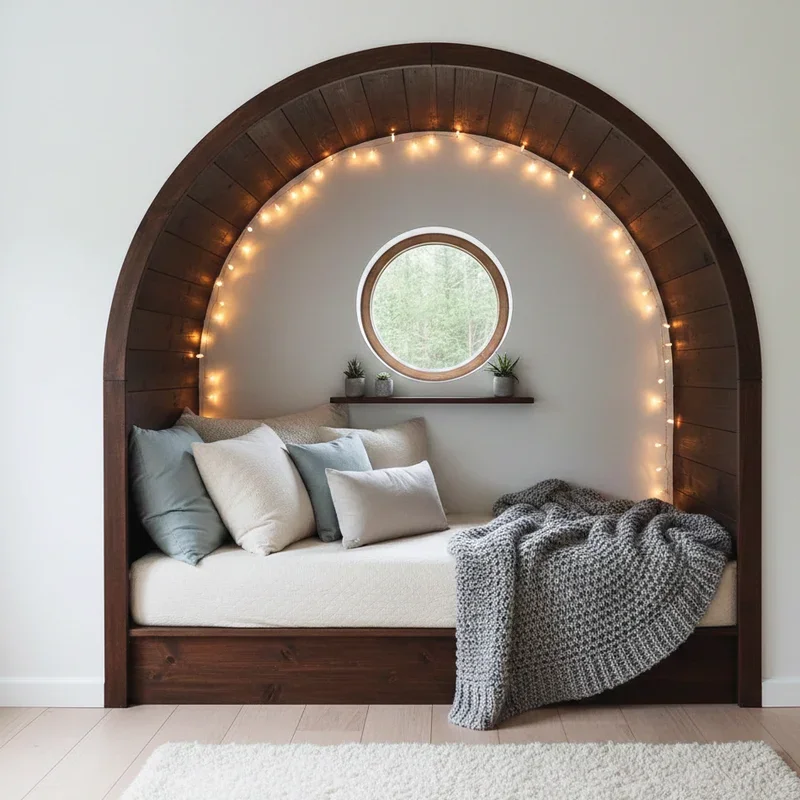
Simple DIY approaches include converting an existing bed frame with added panels, building a basic platform bed into an alcove, or constructing a house-frame from lumber and painting it to match your decor.
More advanced projects might involve full built-in installations with integrated storage, lighting, and decorative elements. Plenty of online tutorials guide parents through these projects step by step.
Even non-handy parents can create cubby effects by strategic furniture placement. Push a bookshelf perpendicular to the bed to form a wall, or use curtains hung from ceiling tracks to enclose the sleeping area.
Conclusion
Cubby beds offer a wonderful combination of cozy comfort and practical function that both kids and parents can appreciate. This what is a cubby bed? A simple guide for parents has covered everything from the psychology behind why children love enclosed spaces to practical tips for choosing the perfect style. Whether you opt for a built-in architectural feature, a freestanding cabin bed, or a simple tent topper, creating that special sleeping nook can transform bedtime from a battle into something your child actually looks forward to. Trust your instincts, involve your child in the decision, and get ready to create some magical sleeping memories!
Read next: How to Use a Grounding Mat in Bed for Better Sleep
Frequently Asked Questions
1. What age is appropriate for a cubby bed?
Cubby beds work well from toddler through teenage years, depending on the specific design chosen.
2. Are cubby beds safe for young children?
Yes, when properly designed with appropriate ventilation, accessible entry, and sturdy construction throughout.
3. Do cubby beds help children sleep better?
Many parents report improved sleep as the enclosed environment reduces distractions and feels comforting.
4. Can I create a cubby bed effect without buying new furniture?
Absolutely, using bed tents, curtains, or strategic furniture placement achieves similar cozy enclosed feelings.
5. How do I keep a cubby bed from feeling stuffy?
Choose designs with ventilation features, avoid complete enclosure, and ensure adequate room airflow nearby.
Stay up to date with our latest ideas!