Local Heroes: Finding the Best Garage Door Spring Repair in Winchester, Martinsburg, Fort Loudon, and Hagerstown
Find the best local garage door spring repair experts in Winchester, Martinsburg, Fort Loudon, and Hagerstown for fast, reliable, and safe service.
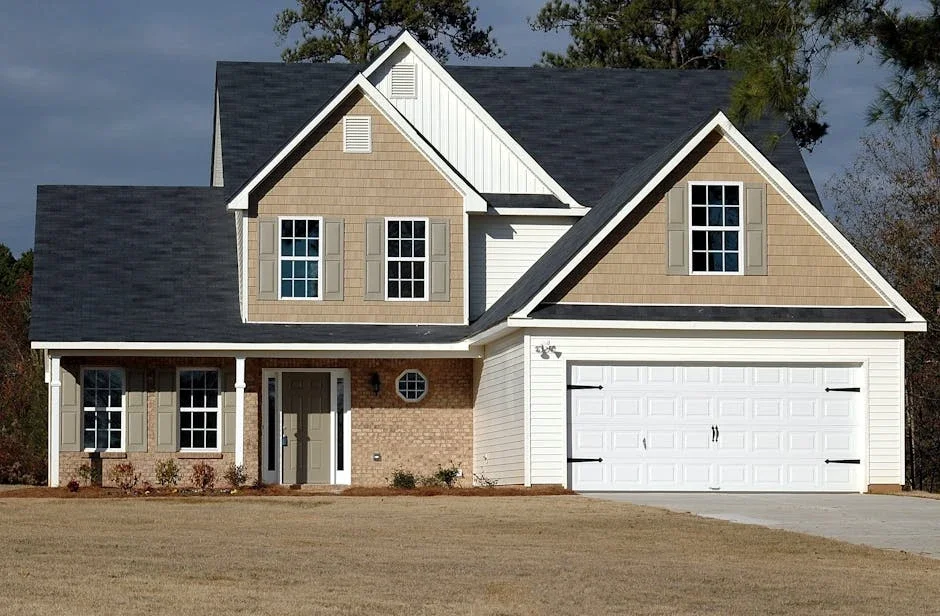
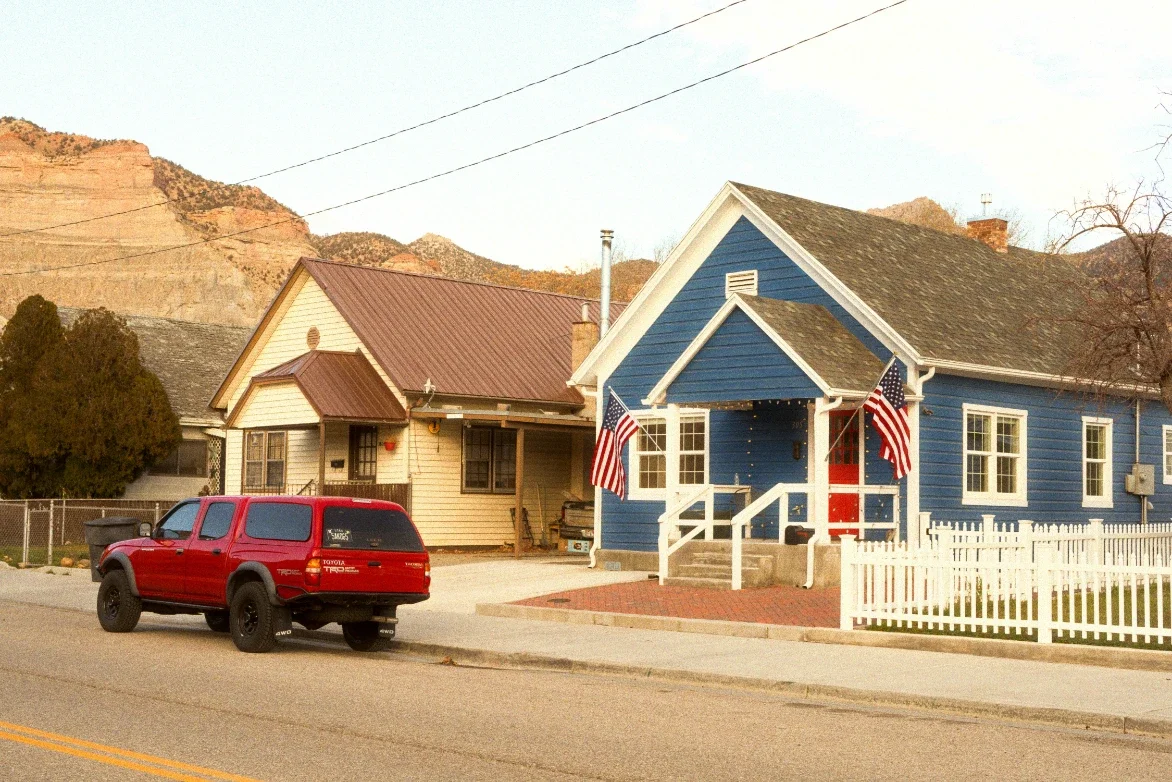
We all instinctively form opinions based on first impressions, and our homes are no exception. The exterior of a property serves as its public face, offering a glimpse into the care and attention we invest in our living spaces. This initial perception, often referred to as curb appeal, plays a pivotal role in shaping how others view our home, from casual passersby to potential buyers. A home with excellent curb appeal doesn't just look good; it communicates a sense of pride, security, and value.
Beyond aesthetics, a well-maintained and thoughtfully designed exterior significantly contributes to a home's overall market value. Studies consistently show that homes with strong curb appeal command higher prices and sell faster. This isn't merely about superficial beauty; it reflects the underlying quality and maintenance of the property. When we invest in our home's exterior, we're not just decorating; we're enhancing its structural integrity, energy efficiency, and long-term appeal.
Exterior design is a holistic endeavor, encompassing everything from the landscaping that frames the property to the condition of the roof overhead. Each element, no matter how small, contributes to the overarching narrative of the home. A cohesive design ensures that all components work in harmony, creating a visually pleasing and inviting atmosphere. Whether it's the vibrant hues of a well-tended garden, the welcoming glow of porch lights, or the pristine condition of the siding, every detail matters.
When we consider the various elements that contribute to a home's exterior, it becomes clear that a strategic approach is essential. It's not enough to simply address one area in isolation; true curb appeal arises from the thoughtful integration of multiple features. From the moment someone approaches our home, their eyes take in a multitude of details: the pathway leading to the front door, the condition of the driveway, the cleanliness of the windows, and the functionality of the garage door. Each of these components either adds to or detracts from the overall impression.
For many homeowners, the garage door is an often-overlooked but crucial element of exterior design. It can occupy a significant portion of the home's front facade, making its condition and style highly impactful. A garage door that operates smoothly and looks great improves curb appeal, while one that is noisy, damaged, or malfunctioning can quickly diminish it. Issues like a broken garage door spring, for instance, not only pose a safety risk but also signal a lack of maintenance that can negatively affect a home's perceived value. Addressing such functional aspects is just as important as aesthetic upgrades in creating a truly impressive exterior.

The Grand Entrance: Creating a Welcoming Focal Point
The entryway is arguably the most critical component of your home's exterior. It's the first point of contact for guests and the last impression for those leaving. A grand entrance doesn't necessarily mean an elaborate, sprawling porch; it means a thoughtfully designed and carefully maintained space that invites and welcomes. This focal point sets the tone for the entire home, hinting at the style and warmth within.
Upgrading your entryway can involve a range of projects, from significant changes like a front door replacement to simpler, yet equally impactful, adjustments. The goal is to create a cohesive and inviting look that complements your home's architectural style. Consider the interplay of elements such as paint colors, updated hardware, and appropriate porch lighting. Even the addition of vibrant container gardens can breathe life into the space, offering a pop of color and a touch of nature that softens hard architectural lines.
Choosing a New Front Door
Replacing your front door is one of the most effective ways to boost curb appeal and can even offer a significant return on investment. A new door provides an immediate visual upgrade and can also improve security and energy efficiency. When selecting a new front door, we consider several material options, each with its unique benefits.
Steel doors are a popular choice due to their durability, security, and energy efficiency. They are often insulated, providing excellent thermal performance, and can be customized with various finishes and decorative glass inserts. Fiberglass doors offer the look of wood without the maintenance. They are resistant to dents, rot, and rust, making them a low-maintenance option that can withstand harsh weather conditions. Fiberglass doors come in a wide array of styles and can be stained or painted to mimic natural wood grains or complement any color scheme. For those who appreciate classic elegance and natural beauty, wood doors remain a timeless option. While they require more maintenance to preserve their appearance, their warmth and character are best. Modern wood doors often feature advanced engineering to improve stability and reduce warping.
Beyond material, style considerations are paramount. Does your home lean traditional, modern, craftsman, or colonial? The door's design—including its panels, glass inserts, and overall shape—should harmonize with your home's architectural period and aesthetic. For instance, a sleek, minimalist door might suit a contemporary home, while a door with intricate panels and sidelights would be more appropriate for a traditional residence. Finally, don't overlook security features. Modern front doors come equipped with advanced locking systems, reinforced frames, and impact-resistant glass, providing peace of mind along with improved curb appeal.
Small Changes, Big Impact
Not every entryway upgrade requires a major renovation. Sometimes, the most significant improvements come from a series of small, thoughtful changes that collectively transform the space. These budget-friendly updates can refresh your entryway and make it feel more welcoming without breaking the bank.
One of the simplest yet most effective changes is painting the door. A fresh coat of paint in a bold, complementary color can instantly revitalize the entire facade. Consider colors that contrast subtly with your home's siding or trim, drawing the eye to the entrance. For example, a deep navy door on a light gray house or a vibrant red door on a neutral-toned home can create a striking visual statement.
Updating hardware is another small change with big impact. Replacing old, tarnished doorknobs, knockers, and hinges with new, stylish alternatives can lift the door's appearance. Choose finishes that match your home's aesthetic, such as matte black for a modern look, brushed nickel for contemporary elegance, or oil-rubbed bronze for traditional charm. Similarly, new house numbers can add a touch of sophistication. Opt for large, easy-to-read numbers in a font and finish that align with your home's style. This small detail not only improves curb appeal but also improves practicality for visitors and emergency services.
The mailbox, often an afterthought, can also contribute to your entryway's charm. Swapping out a worn or generic mailbox for one that complements your home's design can make a subtle but noticeable difference. Whether it's a sleek, wall-mounted design or a classic post-mounted box, choose one that reflects your home's character. Finally, symmetrical planters filled with seasonal flowers or lush greenery can create an inviting and balanced look. Place them on either side of the door or along the porch steps to add color, texture, and a touch of natural beauty. These small, deliberate choices demonstrate attention to detail and collectively create a powerful, welcoming impression.
A Guide to High-Impact Home Exterior Upgrades
While the entryway sets the tone, a home's overall facade, including its siding, windows, roofing, and garage doors, constitutes the bulk of its visual presence. These elements are not just functional; they are integral to the home's architectural character and its ability to withstand the elements. High-impact exterior upgrades in these areas can dramatically alter a home's appearance, improve its protection, and significantly increase its value. We approach these upgrades with a focus on durability, aesthetics, and long-term performance, ensuring that every investment contributes to a more beautiful and resilient home.
Revitalizing Your Home's Facade with Siding and Paint
The siding is the largest canvas of your home's exterior, making its condition and appearance paramount to curb appeal. Revitalizing your home's facade through new siding or a fresh coat of paint can be one of the most transformative exterior upgrades. We consider various siding materials, each offering distinct advantages in terms of durability, maintenance, and aesthetic.
Vinyl siding is a popular choice for its affordability, low maintenance, and wide range of colors and styles. It's resistant to rot, pests, and moisture, making it a practical option for many homeowners. Fiber cement siding, like that offered by James Hardie, provides exceptional durability, fire resistance, and a sophisticated look that can mimic wood, stucco, or masonry. While it requires a higher initial investment, its longevity and minimal maintenance often justify the cost. For a classic, natural aesthetic, wood siding options such as cedar shingles or clapboard offer timeless charm. However, wood requires more regular maintenance, including painting or staining, to protect it from the elements.
Beyond material, exterior paint trends evolve, but the core principles of color selection remain. Neutral tones like grays, whites, and beiges offer a timeless appeal and broad market acceptance, while bolder accents can be used on trim or the front door. The psychology of color also plays a role; cool colors like blues and greens can evoke a sense of calm, while warmer tones like reds and yellows can feel more energetic and inviting. Regardless of the chosen color, proper surface preparation is crucial for a lasting finish. This involves thorough cleaning, scraping loose paint, repairing any damage, and priming, ensuring the new paint adheres well and stands up to weather. A well-executed paint job not only protects your home but also gives it a fresh, updated appearance that can make it look years younger.
The Role of Windows in Home Exterior Upgrades
Windows are more than just openings that let in light; they are critical architectural features that contribute significantly to a home's aesthetic and energy efficiency. When considering exterior upgrades, the role of windows cannot be overstated. They impact the facade's visual balance, the home's thermal performance, and the interior's comfort.
Window styles vary widely, from classic double-hung and casement windows to more contemporary picture and bay windows. The choice of style should complement the home's architectural period and improve its overall design. For instance, a Victorian-style home might benefit from ornate bay windows, while a modern home could feature large, minimalist picture windows. Frame materials also play a crucial role. Vinyl frames are popular for their low maintenance and energy efficiency, while wood frames offer natural beauty and excellent insulation but require more upkeep. Aluminum frames provide a sleek, modern look and are very durable, often used in contemporary designs.
One of the most compelling reasons to upgrade windows is improved energy efficiency. Modern windows often feature double or triple-pane glass with low-emissivity (Low-E) coatings and inert gas fills (like argon or krypton) between the panes. These technologies significantly reduce heat transfer, keeping your home warmer in winter and cooler in summer, which translates to lower energy bills. Window grids, the decorative patterns within or between the glass panes, can add character and architectural detail. From traditional colonial grids to prairie styles, they can customize the look of your windows without compromising energy performance. Finally, shutters and trim can frame your windows beautifully, adding depth and visual interest to the facade. Choosing colors and styles that contrast or complement your siding and trim can further improve your home's exterior appeal. Upgrading windows is an investment that pays dividends in both aesthetics and long-term savings.
Rethinking the Garage Door for Maximum Appeal
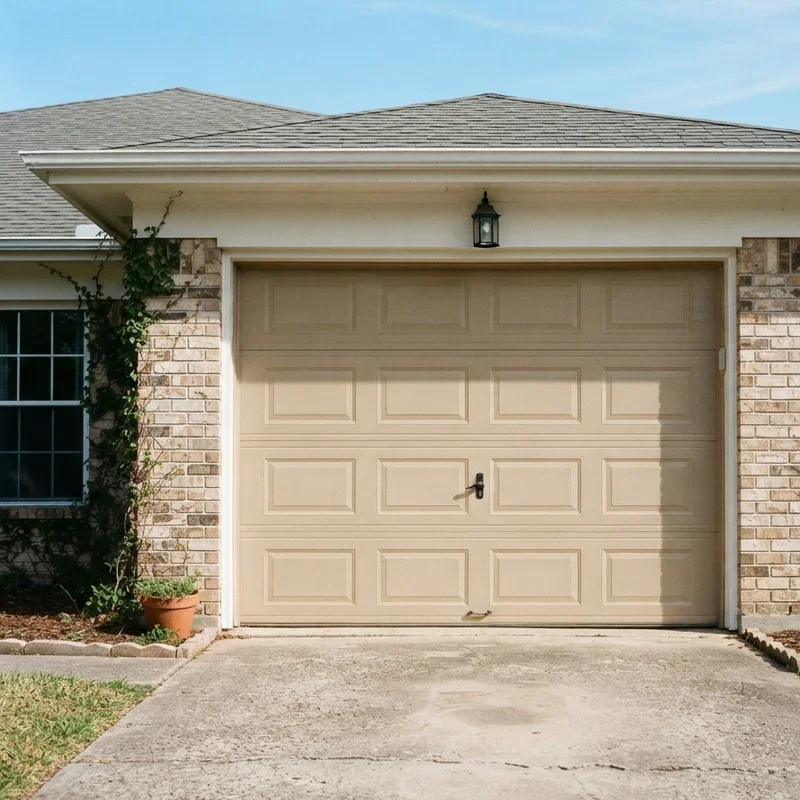
Often occupying a prominent position on the front of the house, the garage door is a substantial design element that deserves careful consideration during any exterior upgrade. Far from being a purely utilitarian feature, it offers a significant opportunity to improve curb appeal and contribute to the home's architectural style. Rethinking your garage door means seeing it not just as an access point for vehicles, but as an integral part of your home's aesthetic.
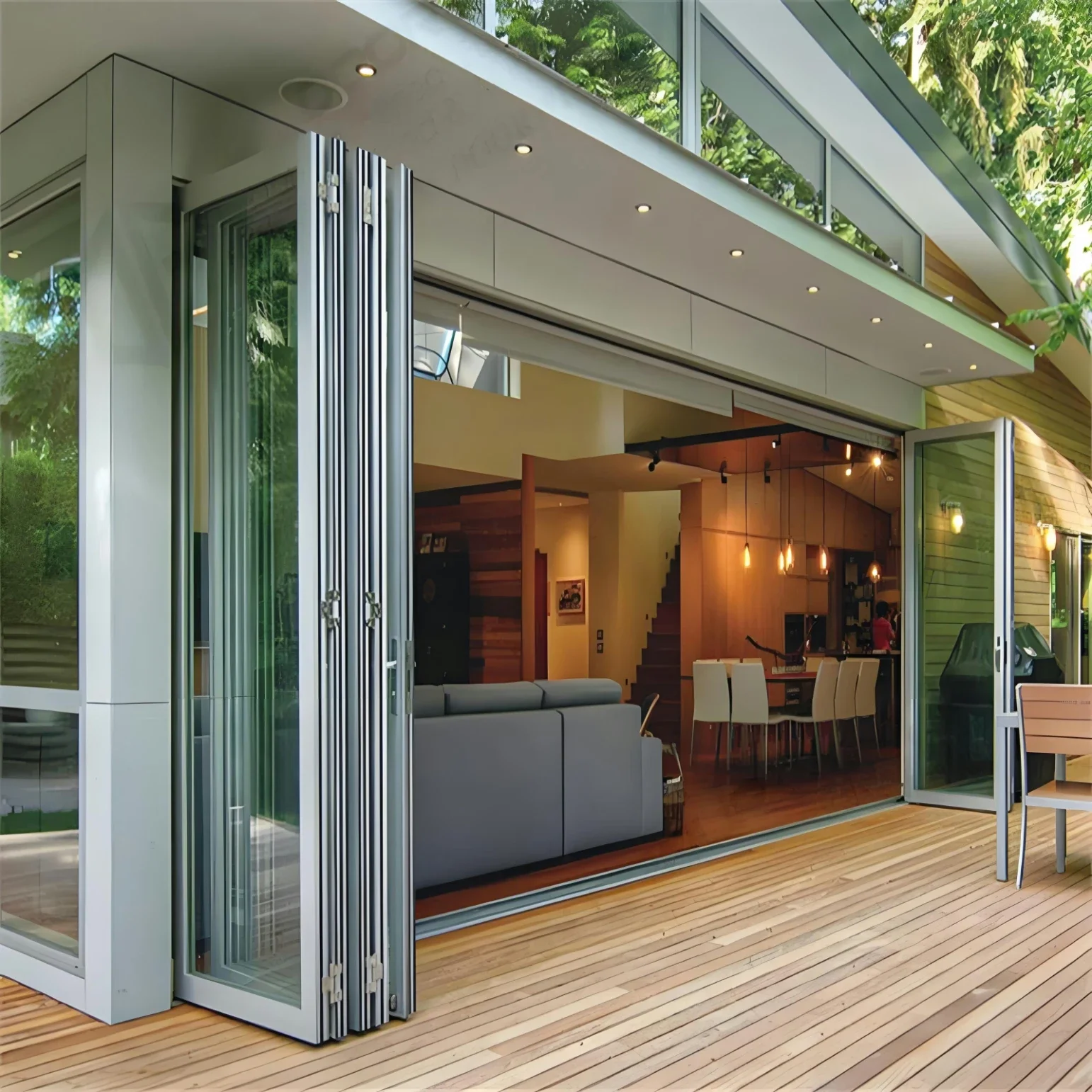
Modern garage doors come in an impressive array of styles, materials, and finishes that can dramatically transform your home's facade. Carriage house style doors, for instance, evoke a classic, rustic charm with their swing-out appearance, often featuring decorative hardware and window inserts. For a more contemporary look, modern full-view aluminum doors with large glass panels offer sleek lines and abundant natural light, ideal for minimalist or industrial designs. Wood and faux-wood finishes provide warmth and elegance, mimicking the rich texture of natural timber without the intensive maintenance. These options allow us to create lasting entryway impressions that truly lift the home's character. Hardware accents, such as decorative hinges and handles, can further customize the door, adding a touch of bespoke craftsmanship.
Beyond aesthetics, the functionality of your garage door is paramount, and its springs are the unsung heroes of its operation. Garage door springs are crucial for the overall function of a garage door (Q6) because they counterbalance the immense weight of the door, making it feel light enough for the opener to lift or for us to open manually. Without properly functioning springs, the door would be incredibly heavy, dangerous, and virtually impossible to operate.
Several signs indicate a need for garage door spring repair in Martinsburg, WV (Q1). If your garage door makes a loud snapping noise, opens only a few inches and then stops, feels incredibly heavy when attempting to open it manually, moves unevenly or crookedly, or if you can visually spot a gap in a torsion spring (a broken spring will often have a visible separation), these are all clear indicators that your springs require immediate attention. Ignoring these signs can lead to further damage to your garage door system, including the opener, and can pose significant safety risks.
The typical lifespan of garage door springs (Q7) varies depending on the type of spring and its usage. Standard torsion springs are usually rated for about 10,000 cycles (one cycle is one opening and closing). With average use, this translates to about 5-7 years. High-cycle springs, rated for 20,000 or more cycles, can last significantly longer. Extension springs, which run along the sides of the door, typically have a similar lifespan. However, environmental factors, maintenance, and door weight can all influence how long they last. We recommend that garage door springs be inspected or maintained annually (Q8) by a professional. Regular inspections can identify wear and tear before a spring completely breaks, allowing for proactive replacement and preventing unexpected failures.
There are two main types of garage door springs commonly used (Q9): torsion springs and extension springs. Torsion springs are located on a shaft directly above the garage door opening, running parallel to the door. They store energy by twisting as the door closes and release it to assist in lifting the door. Extension springs, on the other hand, are located above the horizontal tracks on either side of the door. They extend and contract to counterbalance the door's weight. Both types are under extreme tension, which brings us to a critical point: the risks associated with DIY garage door spring repair (Q3).
Attempting to repair or replace garage door springs yourself is extremely dangerous. The high tension in these springs can cause severe injuries, including broken bones, lacerations, or even death, if they are mishandled or snap unexpectedly. Specialized tools and expertise are required to safely release and apply this tension. It is always best to leave garage door spring repair to trained professionals. While we cannot provide specific pricing information due to varying factors, the cost of garage door spring repair typically depends on the type of springs, the size and weight of the door, and labor rates in the Martinsburg, WV area (Q2). Investing in professional repair is a small price to pay for safety and proper functionality.
Garage door repair companies in Martinsburg, WV, offer a comprehensive range of services (Q4) beyond just spring repair. These often include cable replacement, roller repair, track adjustment, opener repair and replacement, panel repair, and full garage door installations. To find a reputable garage door spring repair service in Martinsburg, WV (Q5), we suggest looking for companies with a strong local presence, positive customer reviews, proper licensing and insurance, and technicians who are experienced and certified. Word-of-mouth referrals and online directories can be excellent resources. The benefits of choosing a local garage door repair company in Martinsburg, WV (Q10) include faster response times, a better understanding of local building codes and climate considerations, and a commitment to community reputation. They often provide more personalized service and are readily available for follow-up needs.
Landscaping and Lighting to Frame Your Home
Once the architectural elements of your home's exterior are in order, landscaping and lighting become the artistic brushstrokes that frame your masterpiece. These elements work in tandem to improve the home's natural beauty, provide functionality, and create an inviting ambiance, especially after dusk. Thoughtful landscape design and strategic outdoor lighting can lift your home's curb appeal from good to truly exceptional. We view landscaping as an extension of the home's interior, creating outdoor "rooms" and pathways that guide the eye and welcome visitors. Similarly, lighting isn't just about visibility; it's about highlighting architectural features, creating depth, and ensuring safety.
Strategic Landscaping for Year-Round Beauty
Strategic landscaping is about more than just planting flowers; it's about creating a sustainable, beautiful, and functional outdoor environment that complements your home throughout the seasons. The key is to choose plants and design elements that thrive in your local climate and require manageable upkeep.
Low-maintenance plants are a homeowner's best friend. Opting for species that are well-suited to your soil type, sunlight conditions, and moisture levels will reduce the need for constant watering, fertilizing, and pest control. Native species are particularly advantageous in this regard, as they are naturally adapted to the local environment and often require less intervention to flourish. They also support local ecosystems and wildlife, adding an ecological benefit to your landscape.
Creating layers in your garden beds adds depth and visual interest. Start with taller shrubs or small trees at the back, followed by medium-sized perennials, and finally, groundcovers or annuals at the front. This tiered approach mimics natural landscapes and provides a lush, full appearance. Defining garden beds with clean edges, whether through brick, stone, or a simple trench, gives a polished and intentional look. These defined spaces prevent plants from encroaching on pathways or lawns, maintaining a neat and tidy appearance.
Here are our top 5 low-maintenance shrubs for curb appeal:
By incorporating these principles, we can create a landscape that not only improves your home's curb appeal but also provides year-round enjoyment with minimal effort.
Illuminating Your Exterior
Outdoor lighting is the final touch that brings your home's exterior to life after dark. It serves multiple purposes: enhancing aesthetics, improving safety, and increasing security. Thoughtfully designed lighting can transform your home's appearance, highlighting its best features and creating a warm, inviting glow.
Pathway lighting is essential for guiding visitors safely along walkways and driveways. Low-voltage fixtures placed strategically can illuminate paths without creating harsh glares, ensuring secure navigation. Uplighting trees and architectural elements adds dramatic flair, casting shadows and accentuating textures that might go unnoticed during the day. This technique can make your home appear grander and more sophisticated. Wall sconces placed beside the front door or garage can provide both ambient light and a decorative touch, complementing the home's overall style.
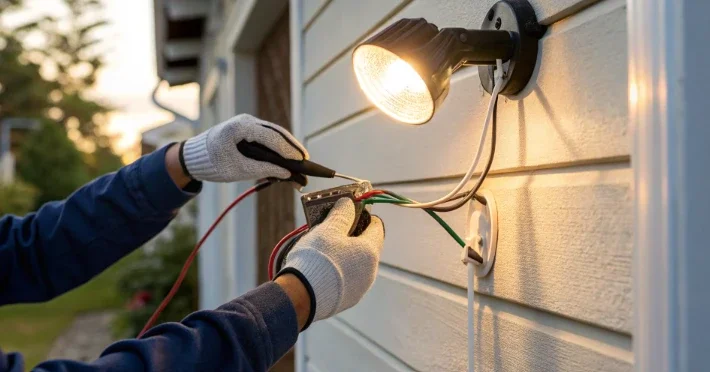
Security lighting is a practical necessity, deterring intruders and providing peace of mind. Motion-activated floodlights or strategically placed spotlights around vulnerable areas can effectively illuminate dark corners. Modern LED technology has revolutionized outdoor lighting, offering unparalleled energy efficiency, long lifespan, and a wide range of color temperatures. LED fixtures consume significantly less electricity than traditional bulbs, reducing operating costs and environmental impact. Solar options provide an eco-friendly alternative, using the sun's energy during the day to power lights at night, requiring no wiring and offering flexible placement. By carefully selecting and positioning outdoor lights, we can create an exterior that is both stunning and secure, extending the beauty and functionality of your home beyond daylight hours.
Frequently Asked Questions about Exterior Improvements
When starting on exterior home improvements, many homeowners have similar questions about where to start, what to prioritize, and how to maximize their investment. We've compiled some frequently asked questions to help guide your decision-making process.
Which exterior upgrade typically offers the best return on investment?
While many exterior upgrades contribute to a home's value, some consistently offer a higher return on investment (ROI). Generally, projects that improve both aesthetics and functionality tend to yield the best results. Garage door replacement is often cited as one of the top ROI projects, frequently recouping a significant percentage of its cost at resale. This is because a new garage door dramatically improves curb appeal and is a highly visible component of the home. Siding replacement, especially with durable materials like fiber cement, also offers a strong ROI by improving energy efficiency and providing a fresh, modern look. Window replacement, particularly with energy-efficient models, reduces utility costs and improves comfort, appealing to potential buyers. Manufactured stone veneer, used to accent a home's facade, can also provide an impressive return, adding texture and a high-end feel. Prioritizing these upgrades can be a smart financial move for homeowners looking to boost their property's value.
How do I choose the right exterior color scheme?
Choosing the right exterior color scheme is crucial for creating a cohesive and attractive look. We recommend considering several factors to ensure your choices improve your home's architectural style and blend harmoniously with its surroundings. First, consider your home's architectural style; historical homes often look best with traditional palettes, while modern homes can support bolder, contemporary colors. Second, take into account the neighborhood context; while you want your home to stand out, it should also fit within the general aesthetic of your community. Third, apply the "rule of three" for exterior colors: a main body color, a trim color, and an accent color (often for the front door). These three colors should complement each other. Finally, use online visualizer tools offered by paint companies. These tools allow you to upload a photo of your home and experiment with different color combinations virtually, helping you visualize the final result before committing. Don't forget to test paint samples on a small, inconspicuous area of your home to see how the colors look in different lighting conditions throughout the day.
Can I improve my home's exterior on a small budget?
Absolutely! Improving your home's exterior doesn't always require a large budget or extensive renovations. Many small, cost-effective changes can make a significant difference in curb appeal. Focusing on areas that have the most immediate visual impact is key. A fresh coat of paint on your front door, as discussed earlier, is a quick and affordable way to add a pop of color and personality. Updating exterior lighting fixtures, such as wall sconces or pathway lights, can modernize your home's look and improve safety. Simple landscaping improvements, like planting colorful annuals, mulching garden beds, or trimming overgrown shrubs, can instantly refresh your yard. Pressure washing your home's siding, driveway, and walkways can remove years of grime and dirt, revealing a cleaner, brighter exterior. Lastly, replacing old, faded house numbers or an outdated mailbox with stylish new ones adds a touch of sophistication and attention to detail. These small investments, when combined, can create a remarkably improved exterior that improves your home's overall appeal.
Conclusion
In summary, creating a stunning first impression for your home involves a thoughtful and strategic approach to its exterior. We've explored how a cohesive design, encompassing everything from the grand entrance to the often-overlooked garage door, contributes significantly to curb appeal and overall home value. Upgrades like a new front door, revitalized siding and paint, energy-efficient windows, and a stylish, functional garage door are not just aesthetic improvements; they are investments in your home's longevity, security, and comfort. We also highlighted the critical importance of maintaining components like garage door springs, emphasizing the safety and functional benefits of professional repair.
By paying attention to both the large-scale renovations and the small, impactful details, and by framing your home with strategic landscaping and illuminating it with thoughtful lighting, we can create an exterior that truly stands out. These improvements not only improve the visual appeal of your property but also contribute to its long-term value, making it a more welcoming and enjoyable place to live. Investing in your home's exterior is an investment in its future, ensuring it makes a lasting positive impression for years to come.
Ready to give your home the curb appeal it deserves? Schedule your exterior upgrade consultation now.
Stay up to date with our latest ideas!