Identifying Common Furnace Issues and Safety Risks
Learn how to identify common furnace issues and safety risks, from airflow problems to gas leaks, to ensure reliable heating and a safer home environment.
Even with Mesa's milder winters, furnace issues can arise, often giving subtle warnings before a complete breakdown. Recognizing these signs early is crucial for both comfort and safety. One of the most common indicators of a problem is strange noises. Furnaces are not silent, but new sounds like banging, clanking, screeching, or whistling can signal loose components, a failing motor, or issues with the blower. For instance, a persistent banging sound might suggest issues with the ductwork expanding and contracting, or a problem with the burner igniting.
Uneven heating is another frequent complaint. If some rooms are warm while others remain chilly, it could point to a clogged air filter, ductwork problems, or an issue with the furnace's heat distribution system. Similarly, short cycling, where the furnace repeatedly turns on and off without completing a full heating cycle, indicates a potential problem with the thermostat, airflow, or even an oversized unit.
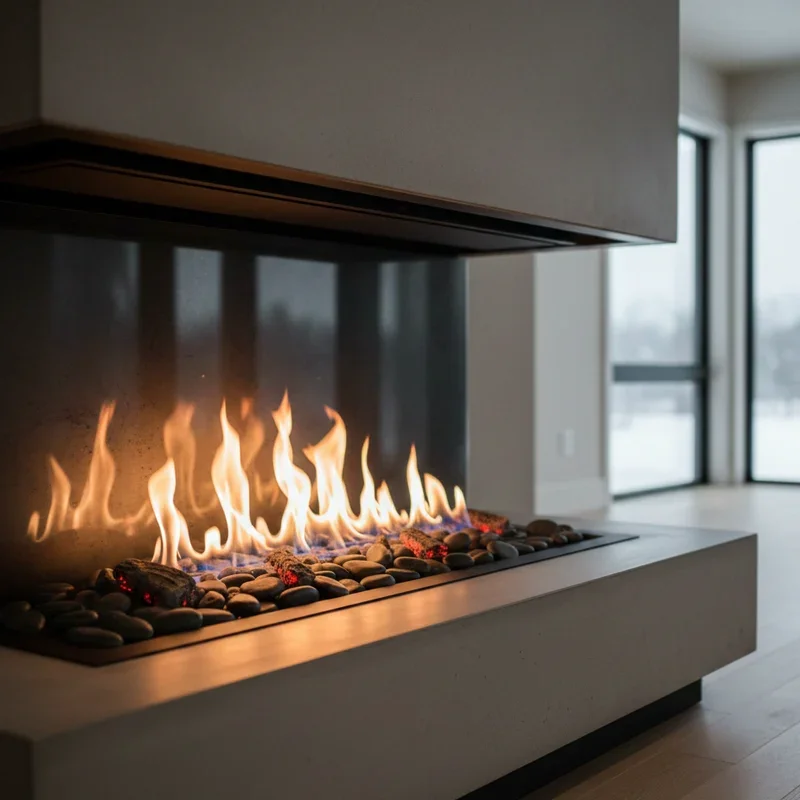
Beyond comfort, some furnace issues pose serious safety risks. A yellow pilot light (instead of a steady blue flame) is a critical warning sign that the furnace might be producing carbon monoxide. This odorless, colorless gas is highly toxic and can be deadly. If we ever observe a yellow pilot light or suspect a carbon monoxide leak, it's imperative to evacuate the premises and contact emergency services and a Paragon HVAC Mesa comfort professional immediately.
Another severe issue is a cracked heat exchanger. This component separates the combustion gases from the breathable air. A crack can allow carbon monoxide to enter the home's air supply. While not always visible, signs like soot buildup, a strong, unusual odor, or persistent headaches and nausea among occupants can suggest a problem. Finally, rust accumulation on or around the furnace can indicate water leaks or excessive humidity, which can lead to corrosion and component failure over time.
To help us distinguish between normal operation and warning signs, consider the following:
Normal Operation:
Quiet hum of the blower fan.
Consistent, warm airflow from vents.
Pilot light (if applicable) burning a steady blue flame.
Furnace cycles on and off for extended periods, maintaining set temperature.
Minimal or no unusual odors after initial seasonal startup.
Clean air filter.
Warning Signs:
Loud banging, clanking, screeching, or whistling.
Cold spots in rooms, or some rooms significantly warmer than others.
Furnace turning on and off frequently (short cycling).
Pilot light burning yellow, or frequently extinguishing.
Smell of rotten eggs (gas leak), burning plastic, or metallic odors.
Visible rust or water leaks around the unit.
High utility bills without increased usage.
The Impact of Professional Diagnosis on HVAC and Home Comfort
When these warning signs appear, attempting complex DIY repairs can be dangerous and often exacerbates the problem. This is where the expertise of a professional HVAC technician becomes invaluable. NATE-certified technicians (North American Technician Excellence) possess specialized training and knowledge, ensuring they can accurately diagnose and safely repair a wide range of furnace issues.
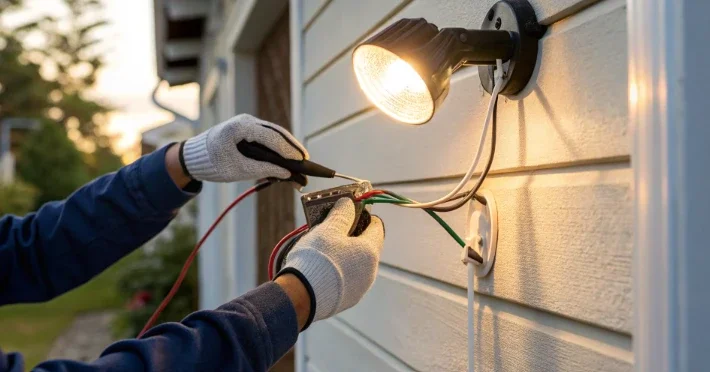
Professionals utilize specialized tools for precise diagnostics, such as combustion analyzers to detect carbon monoxide, multimeters for electrical testing of components, and pressure gauges for gas leak detection. They can also perform airflow measurement to ensure your ductwork is distributing heat efficiently and identify blockages or leaks. Crucially, they conduct thorough system safety checks, verifying that all components are operating within safe parameters and that there are no risks of gas leaks, electrical hazards, or carbon monoxide exposure. Their comprehensive approach ensures not only that the immediate problem is fixed but also that the entire system is operating safely and efficiently, contributing significantly to our overall HVAC and home comfort.
Proactive Maintenance Strategies for HVAC and Home Comfort
Preventing furnace breakdowns is far more cost-effective and less stressful than reacting to them. Proactive maintenance is the cornerstone of a reliable heating system and sustained home comfort. Annual tune-ups performed by a certified technician are paramount. During these visits, professionals conduct a thorough inspection, cleaning, and calibration of your furnace. This includes checking electrical connections, testing safety controls, lubricating moving parts, and inspecting the heat exchanger for cracks.
Beyond the annual visit, regular homeowner actions are essential. Filter replacement is perhaps the simplest yet most impactful maintenance task. Dirty filters restrict airflow, forcing the furnace to work harder, reducing efficiency, and potentially leading to premature component failure. We should aim to replace our furnace filters every one to three months, especially during peak heating season or if we have pets or allergies.
Other critical maintenance steps include blower motor cleaning, which ensures the fan can efficiently circulate air, and thermostat calibration to guarantee accurate temperature readings and consistent heating. Technicians also perform duct inspection to identify leaks or blockages that can compromise airflow and efficiency. By adhering to these practices, we significantly enhance our furnace's energy efficiency, extend its system longevity, and ensure consistent preventative care that wards off unexpected breakdowns.
Maximizing HVAC and Home Comfort Through Routine DIY Care
While professional tune-ups are non-negotiable, there are several DIY steps Mesa homeowners can take to support their furnace's health and maximize their HVAC and home comfort between professional visits:
Thermostat Settings: Ensure your thermostat is set to "heat" and "auto" (not "on") for the fan. Consider a programmable or smart thermostat to optimize heating schedules and save energy.
Air Filter Schedule: As mentioned, regularly check and replace your air filter. This simple step is vital for airflow and system health.
Clearing Debris: Keep the area around your furnace clean and clear of obstructions. Ensure there's at least a few feet of clear space for proper ventilation.
Breaker Checks: If your furnace isn't turning on, check the circuit breaker dedicated to the furnace in your electrical panel. Sometimes, a tripped breaker is the culprit.
Vent Obstructions: Ensure all heating vents inside your home are open and not blocked by furniture, rugs, or drapes. Blocked vents can lead to uneven heating and strain the system.
Battery Replacement: If your thermostat is battery-powered and unresponsive, try replacing the batteries. This often resolves minor thermostat issues.
These simple steps can prevent many common issues and help us identify when a professional intervention is truly needed, saving us time and potential repair costs.
Deciding Between Furnace Repair and System Replacement
One of the most challenging decisions for homeowners facing furnace troubles is whether to repair the existing unit or invest in a full system replacement. Several factors weigh into this choice, with the age of the furnace being a primary consideration. The 15-year rule is a common guideline: if a furnace is older than 15 years and repairs are becoming frequent or costly, replacement often makes more financial sense. Modern furnaces are significantly more energy-efficient than older models, meaning a new unit can quickly pay for itself through reduced energy bills.
Consider the repair frequency. If your furnace requires multiple repairs within a single heating season, or if individual repairs are costing more than 30-50% of the price of a new unit, it's generally time to consider replacement. While we avoid specific pricing, it's worth noting that major components like heat exchangers can be very expensive to replace, sometimes rivaling the cost of a new, basic furnace.
Advancements in technology upgrades have led to more efficient and reliable heating solutions, including high-efficiency furnaces and heat pumps, which offer both heating and cooling in one system, ideal for Mesa's climate. If your current furnace shows significant performance decline, such as struggling to maintain temperature or causing noticeable cold spots, a new system will likely provide superior comfort and efficiency. A professional evaluation from a trusted HVAC technician can provide the most accurate assessment, helping us weigh the costs and benefits of repair versus replacement based on our specific situation and budget.
The Professional Repair Process and Quality Standards
When we decide to proceed with a professional furnace repair, understanding the process can help manage expectations and ensure a smooth experience. The journey typically begins with booking service, either online or via phone. Many reputable companies offer flexible scheduling and often same-day or emergency service, especially during peak season.
Once a technician arrives, the first step is a comprehensive evaluation of the furnace. Using their expertise and specialized tools, they diagnose the root cause of the problem, not just the symptoms. Following the diagnosis, we should receive detailed estimates outlining the necessary repairs, the cost of parts, and labor. Reputable companies prioritize transparency, ensuring we understand the work required before any repairs begin.
For the repair itself, quality is paramount. Professionals use high-quality parts to ensure durability and optimal performance, often sourcing components directly from manufacturers or trusted suppliers. Many services also back their work with workmanship warranties, providing peace of mind that the repair will last. After the repair, the technician will perform system testing to confirm everything is functioning correctly and safely. Finally, a commitment to customer service often includes a thorough final cleanup of the work area, leaving our home as tidy as they found it. This structured approach ensures that our furnace repair is handled efficiently, effectively, and with the highest standards of quality and safety.
Frequently Asked Questions about HVAC and Home Comfort
Addressing common concerns helps homeowners make informed decisions about their furnace care. Here are some frequently asked questions:
How long does a typical furnace repair take, and is emergency service available?
The duration of a furnace repair can vary significantly based on the complexity of the issue and the availability of parts. Standard repairs generally take between four to eight hours, especially for common problems like thermostat malfunctions, flame sensor issues, or minor electrical fixes. However, more extensive repairs, such as replacing a blower motor or a heat exchanger, might require longer or even a follow-up visit if specialized parts need to be ordered. For critical failures during extreme weather, many HVAC providers in Mesa offer 24/7 emergency services. This ensures that we can get immediate assistance when our heating system fails unexpectedly, preventing discomfort and potential safety hazards.
What are the most common causes of a furnace blowing cold air?
If our furnace is running but only blowing cold air, it's a frustrating experience that often points to a few common culprits. One of the simplest reasons could be a malfunctioning thermostat that isn't correctly signaling the furnace to produce heat. It might be set incorrectly, or its batteries could be dead. Another frequent issue is a dirty flame sensor, which can prevent the burners from igniting because it can't detect a flame, causing the furnace to blow unheated air. An extinguished pilot light (in older models) is also a common cause; if the pilot light is out, the gas valve won't open to fuel the burners. Lastly, significant leaks in the ductwork can cause heated air to escape into unconditioned spaces before reaching our living areas, making it feel like the furnace is blowing cold air. A professional can quickly diagnose and address these issues.
How does regular maintenance prevent major system breakdowns?
Regular furnace maintenance is the most effective strategy for preventing major system breakdowns and extending the lifespan of our heating unit. Routine inspections identify minor issues like worn belts, dirty sensors, loose connections, or clogged condensate lines before they cause total system failure. For example, a technician might spot a slightly frayed blower belt that, if left unaddressed, could snap and leave us without heat. They can also clean components that accumulate dust and debris, ensuring the unit operates at peak efficiency. This proactive approach not only averts costly emergency repairs but also ensures that our furnace is running safely and efficiently, reducing energy consumption and providing consistent comfort throughout the heating season.
Conclusion
Ensuring our furnace is in top condition is not just about staying warm; it's about maintaining long-term reliability for our home's comfort system, prioritizing safety, and enjoying consistent performance year after year. By recognizing the warning signs of a struggling furnace, understanding the value of professional diagnosis, and committing to proactive maintenance, we can significantly extend the life of our heating system and avoid unexpected breakdowns.
Whether it's a minor repair or considering a full replacement, making informed decisions based on expert advice contributes to the overall home value and provides invaluable peace of mind. Investing in our furnace's health is investing in our family's comfort and safety, ensuring that our Mesa home remains a cozy sanctuary, no matter the season.
Stay up to date with our latest ideas!