The Hidden Risks of Snowmelt on Roofs and Why Early Detection Matters
Learn the hidden risks snowmelt poses to roofs and why early detection is critical to prevent leaks, structural damage, and costly repairs.

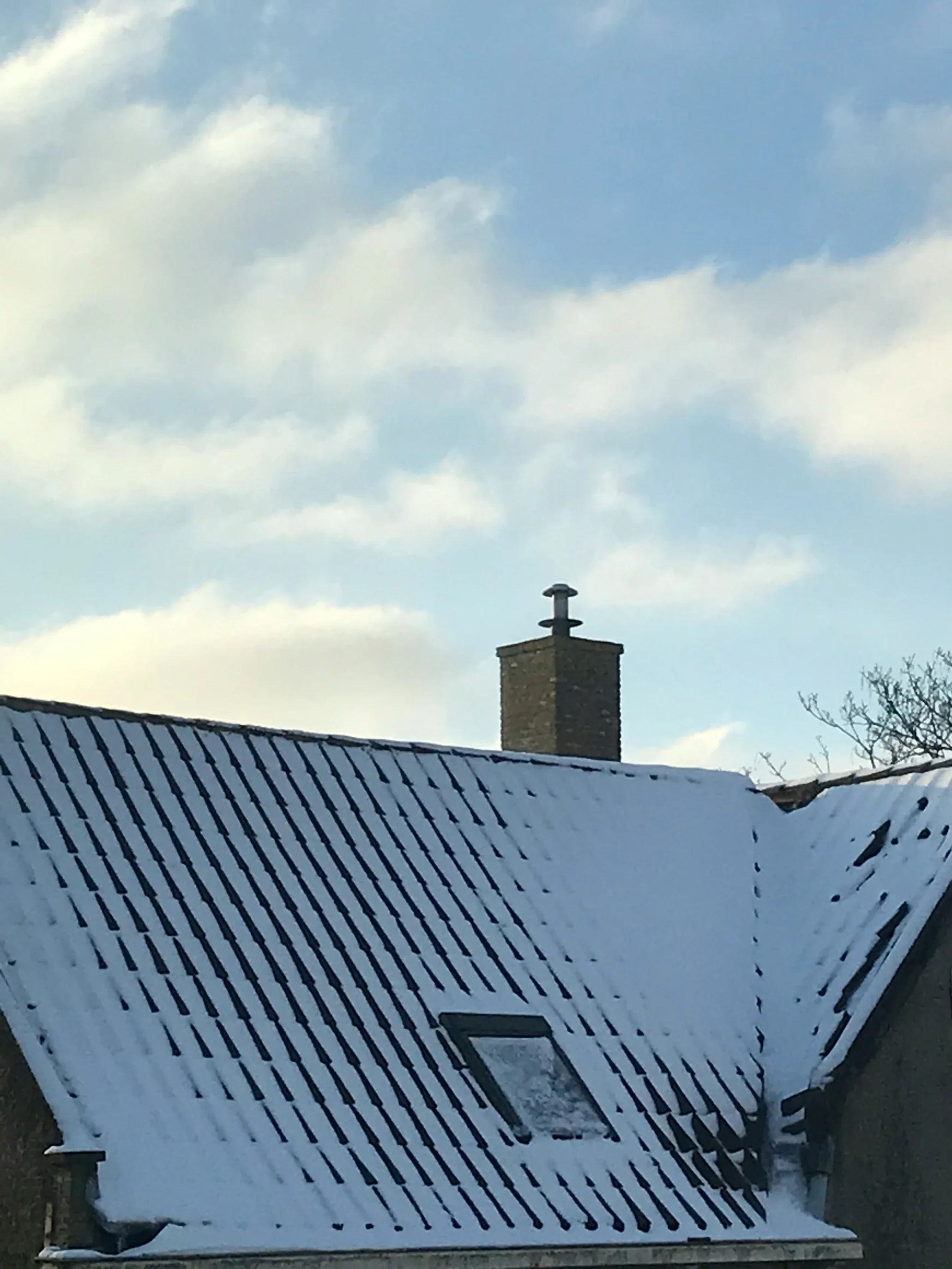
Winter brings a certain quiet beauty—soft snowfall, frost-laced mornings, rooftops blanketed in white. Yet beneath that stillness lies a cycle that can be far more damaging than many homeowners realize. Snow may appear harmless while it rests on a roof, but the real trouble often begins when it starts to melt.
Snowmelt is a slow, steady force. It seeps into minor weaknesses, settles into areas never meant to hold moisture, and exposes any flaw in the roofing system. While many people think only of the weight of snow during winter, experienced roofers know that melting snow is one of the leading culprits behind seasonal roof damage.
A Winter Cycle That Works Against the Roof
Snow rarely melts all at once. Sunlight, attic heat, and shifting temperatures cause it to thaw gradually, layer by layer. During the day, the roof warms just enough for the underside of the snow to soften. At night, temperatures drop again, freezing the meltwater in place. This freeze-thaw rhythm repeats day after day, creating the environment where water begins to explore every gap it can find.
Tiny openings—lifting shingles, aging flashing, exposed nail heads—become entry points. Meltwater seeps in, freezes, expands, and forces those openings to grow even larger. What began as a barely visible issue in autumn can evolve into a source of leakage by mid-winter.
This quiet progression makes snowmelt especially dangerous. Homeowners may not notice anything wrong until water appears inside the house, long after the damage is done.
Where Snowmelt Causes the Most Damage
Snowmelt exposes roof weaknesses differently than rain does. Rainwater runs off quickly; melted snow lingers, slowly moving across the surface and repeatedly freezing into hidden spaces. The areas most vulnerable include:
Roof valleys, where water naturally converges
Around chimneys and vents, where flashing may have loosened
Edges of shingles, especially older or curling ones
Gutters and downspouts, where ice can build up and trap meltwater
Under lifted nails, which create unseen openings
Even roofs that appear perfectly intact from the ground can hide conditions that allow meltwater to seep in.
This is why the accuracy concern from your client is essential: roofing professionals cannot control how much heat a home loses through insulation, but they can control how well the roof resists water. And when snow begins to melt, water resistance is everything.
Why Early Detection Matters More Than Ever
Early detection is not about preventing snow—it’s about avoiding the kind of water intrusion that makes winter repairs difficult and expensive. Once temperatures drop, roof work becomes more complicated, shingles become brittle, and sealants cure slowly. That makes catching problems before the first heavy snowfall far more critical than most homeowners realize.
During fall and early winter, a minor issue—like a lifted shingle or cracked flashing—can be repaired quickly. But once consistent snow cover begins, those same minor weaknesses can allow meltwater to seep beneath the surface, travel along decking, and eventually appear inside the home as staining or dripping.
It’s often said among veteran roofers that “water finds a way.” Snowmelt proves that every year.
A Season That Tests Every Roof
Snowmelt not only reveals structural issues but also creates ideal conditions for ice dams. When the upper part of the roof is warm enough to melt snow, but the lower edge remains frozen, meltwater refreezes before it can drain. Over time, this builds a ridge of ice that traps additional water on the surface.
The water has nowhere to go except sideways—or downward into gaps beneath the shingles.
Roofing professionals know that ice dams are not just a winter inconvenience. They are one of the leading causes of mid-season roof leaks. And the frustrating truth is that by the time a homeowner notices water coming in, an entire section of the roof may already be compromised.
Where Expertise Becomes Essential
This is where companies like Armour Shield Roofing become part of the winter story. Their work throughout the colder months often involves identifying and addressing issues caused by snowmelt long before a homeowner sees the first sign of water indoors. They understand how freeze-thaw cycles affect different roofing materials, how flashing responds to temperature shifts, and how subtle lifting of shingles can create hidden channels for meltwater.
Their inspections focus on practical, realistic risks—especially those related to snowmelt roof damage, ice formation, moisture intrusion, and the small structural shifts that winter can bring. By identifying these vulnerabilities early, homeowners can avoid the far more disruptive problems that typically surface as snow begins to melt.
In roofing, experience matters as much as tools. Many of the issues discovered during winter inspections are ones that seasoned professionals recognize immediately—a lifted shingle edge, a hairline crack in flashing, or a subtle soft spot caused by moisture. These are signs most homeowners would never notice in time.
Understanding What’s at Stake
A roof leak in the winter isn’t just inconvenient. Meltwater can reach insulation, soak wood decking, stain ceilings, and create conditions that allow mould to form long before spring arrives. Repairs that might have taken a single visit in autumn can become multi-stage projects if the damage spreads under ice or snow.
Early detection protects more than the roof—it protects the structure beneath it.
A Quiet Threat That Deserves More Attention
Snow may fall silently, but the damage caused by melting snow is anything but quiet once it reaches the home’s interior. The best defence is recognizing that meltwater is patient, persistent, and capable of exploiting even the most minor weakness.
For homeowners, winter begins long before the first storm. It starts with understanding how snowmelt works and why the most minor roofing issue can become a significant problem if left undetected. And for roofing professionals, winter is a season defined by vigilance—watching for the earliest signs of vulnerability and knowing how to stop moisture from entering where it doesn’t belong.
Snowmelt will always be part of winter. But the hidden risks it brings don’t have to become part of the home.
Stay up to date with our latest ideas!