3 High-Impact Home Upgrades: Where to Invest for Comfort and Value
Discover three high-impact home upgrades worth investing in to improve comfort, boost efficiency, and increase long-term property value.

#1: Lift Your Exterior for Instant Impact and High ROI
We all want our homes to be comfortable and valuable. Making improvements is a natural part of homeownership. But with so many options, how do we choose wisely?
Not every project offers the same return on investment (ROI). Some upgrades bring great comfort but little financial gain. Others can significantly boost resale value. This guide helps us find the sweet spot.
We will explore three high-impact areas for home improvement upgrades. These projects deliver both comfort and lasting value. We will look at what truly matters for resale, backed by data.
As we consider our options, remember to plan strategically. Take a look at the image below for inspiration.
Below, you will find an infographic explaining the top 5 home upgrades with the highest ROI based on the 2025 Cost vs. Value Report. Let's make smart choices for our homes.
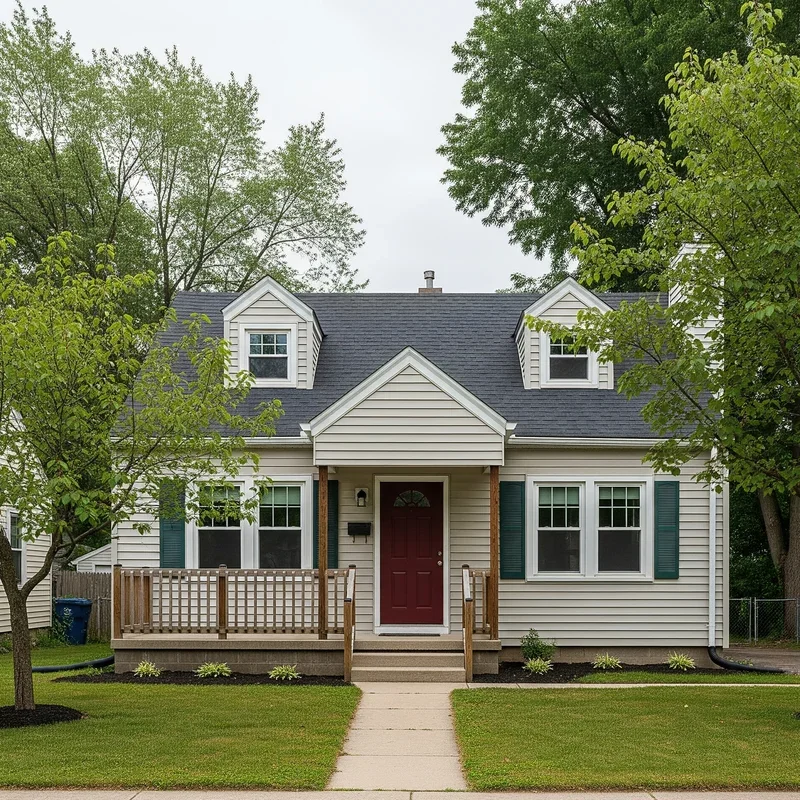
The exterior of our home is the first thing potential buyers see, and it sets the tone for their entire perception of the property. This initial impression, often referred to as "curb appeal," can significantly influence a home's perceived value and even its selling speed. As appraiser Spencer W. Webb of A-Tech Appraisal advises, "Curb appeal creates a strong first impression. Focus on landscaping, exterior paint, and a clean, welcoming entry."
When it comes to return on investment, exterior home improvements consistently outperform interior renovations. Clay DeKorne, chief editor of Zonda’s JLC Group, emphasizes this point, stating, “Exterior replacement projects remain the clear winners when it comes to adding resale value. While large interior remodels may be personally rewarding, their appeal is often too subjective to deliver the same return when it’s time to sell.” This means that while we might love a custom-designed interior, a fresh, well-maintained exterior has broader appeal and a more measurable financial benefit.
The annual Cost vs. Value Report, a highly anticipated analysis by Remodeling Magazine and Zonda, consistently reinforces this trend. The 2025 report, for instance, highlights several exterior projects that deliver exceptional ROI, often recouping more than their initial cost. These projects are not just about aesthetics; they also contribute to the home's durability, security, and energy efficiency, making them attractive to a wide range of buyers.

Focus on High-Value Garage Door Home Improvements
It might seem surprising, but replacing an old, worn-out garage door is one of the smartest investments we can make for our home's exterior. The 2025 Cost vs. Value Report places garage door replacement at the very top of its list, boasting an astounding 267.7% ROI. This means we could potentially get back more than double what we spend when it comes time to sell.
Why such a high return? A garage door takes up a significant portion of a home's front facade. A shabby, dented, or outdated garage door can immediately make a house look neglected, prompting buyers to wonder about the condition of other, less visible components. Conversely, a new, stylish garage door instantly lifts curb appeal, making the entire property appear well-maintained and modern. Beyond aesthetics, modern garage doors offer improved security features and improved insulation, contributing to the home's overall energy efficiency. These functional benefits are increasingly important to today's buyers. For those looking to explore options and understand the full scope of what's possible, researching various garage door home improvements can provide valuable insights into styles, materials, and smart features that improve both curb appeal and functionality.
Upgrade Your Entryway and Siding
Beyond the garage, our home's main entry door and siding play crucial roles in its overall appeal and protection. These elements are not just about looks; they are fundamental to the home's structural integrity, energy efficiency, and security.
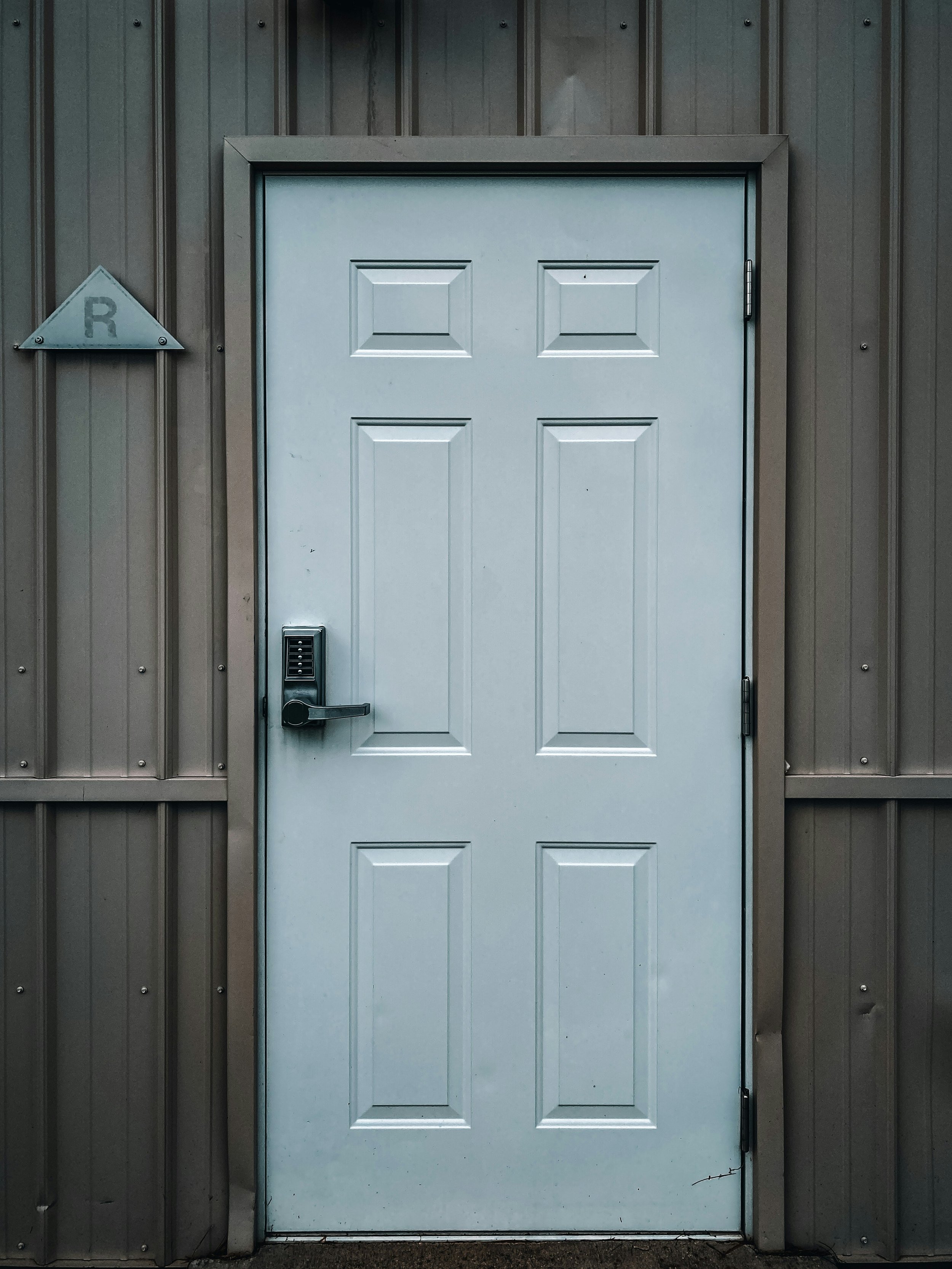
Replacing an old entry door with a new steel or fiberglass model consistently ranks high in ROI. The 2025 Cost vs. Value Report indicates a steel entry door replacement can yield a remarkable 216.4% ROI. A fiberglass grand entrance also performs well, with an 84.7% ROI. These upgrades offer improved security, better insulation, and a significant visual refresh. Interestingly, studies have shown that buyers are willing to pay more for homes with certain front door colors, with black front doors, for example, potentially adding $6,450 to a home's value. This highlights how a relatively simple change can have a disproportionately large financial impact.
Siding replacement is another exterior improvement with a strong return. Manufactured stone veneer, a popular choice for adding architectural interest, comes in with an impressive 207.9% ROI. Fiber-cement siding replacement also offers a solid 113.7% ROI, while vinyl siding replacement provides a 96.5% ROI. These materials offer durability, low maintenance, and a fresh, updated look that appeals to buyers. They protect the home from the elements, improve insulation, and can dramatically change the aesthetic, making the property feel newer and more valuable. Investing in these exterior elements ensures our home not only looks its best but is also well-protected and efficient, appealing to buyers who value both form and function.

#2: Smart Home Improvement Upgrades for Energy Efficiency
In today's market, buyers are increasingly eco-conscious and financially savvy, making energy efficiency a significant selling point. Upgrades that reduce utility bills and minimize environmental impact are not just good for the planet; they're excellent for our home's value and appeal. These improvements offer long-term savings for homeowners and demonstrate a commitment to modern, sustainable living, which resonates strongly with a broad segment of buyers.
The ENERGY STAR Home Upgrade program highlights a set of high-impact, energy-efficient improvements designed to work together to deliver significant energy and cost savings. These upgrades also help transition homes away from fossil fuels, contributing to a cleaner, healthier, and more comfortable living environment. Implementing these changes not only improves our current comfort but also future-proofs our home, making it more attractive to future buyers.
The Unseen Hero: Attic and Wall Insulation
While not as visually striking as a new kitchen or bathroom, proper insulation is arguably one of the most impactful and cost-effective home improvements we can make. It's the unseen hero that significantly contributes to our home's comfort and energy efficiency. Attic insulation, in particular, boasts a nearly 100% ROI, making it an almost guaranteed return on our investment.
The benefits extend far beyond resale value. A well-insulated attic, coupled with effective air sealing, can reduce our annual energy bills by up to 10%. This is because a significant amount of heat loss (in winter) and heat gain (in summer) occurs through the attic. By preventing this thermal transfer, we create a more stable indoor temperature, reducing the workload on our HVAC system and extending its lifespan. This translates directly into lower heating and cooling costs, a benefit that homeowners appreciate immediately and that buyers recognize as a valuable long-term saving. Investing in high-performance energy efficiency upgrades like insulation is crucial for immediate comfort and long-term financial benefits. Professional installation ensures that insulation is properly installed and air leaks are effectively sealed, maximizing its performance and ensuring it meets current building codes.
Windows, Water Heaters, and Smart Tech
Beyond insulation, several other energy-efficient upgrades significantly improve our home's value and appeal. These improvements often combine immediate comfort benefits with long-term cost savings, making them highly desirable.
Energy-Efficient Windows: Old, drafty windows are major culprits for energy loss. Replacing them with ENERGY STAR certified windows can lower household energy bills by an average of 12 percent and typically offers a 70%–80% ROI. These windows provide better insulation, reduce outside noise, and improve the overall comfort of our living spaces.
Modern Water Heaters: Water heaters are the second-highest energy users in a home. Upgrading to a super-efficient model, such as a heat pump water heater or a tankless water heater, can lead to substantial savings. Tankless water heaters are 24%-34% more energy-efficient than traditional models and provide endless hot water on demand. Heat pump water heaters can save a household of four approximately $550 annually. These systems not only reduce energy consumption but also offer improved convenience and performance, features that are highly valued.
Smart Home Technology: Smart thermostats and smart lighting systems are relatively low-cost upgrades with a big impact. A smart thermostat can learn our schedule, optimize heating and cooling, and be controlled remotely, leading to significant energy savings. They are often cited as the "perfect first step" toward a connected home. Smart lighting offers convenience, energy savings, and improved security through scheduling and motion detection. Buyers are increasingly drawn to homes with smart capabilities; 36% of buyers rated smart home features as highly important in their home search, and homes with smart lighting were saved 3% more on Zillow. These technologies make our homes more convenient, secure, and efficient, appealing to the modern buyer.
#3: Prioritize Interior Functionality and Comfort
While exterior improvements often yield the highest ROI for resale, the interior of our home is where we live, relax, and entertain. Therefore, prioritizing functionality and comfort within our living spaces is equally important. These interior home improvement upgrades focus on making our home more livable, practical, and appealing to a wide range of tastes, without necessarily starting on overly luxurious or personalized renovations that might not resonate with future buyers. The goal is to create a clean, modern, and well-maintained environment that feels welcoming and move-in ready. This includes addressing any "minimum repairs" that could deter buyers and making strategic updates to key areas like kitchens and bathrooms.
Strategic Kitchen and Bathroom Updates for Home Improvement Upgrades
Kitchens and bathrooms are often considered the heart and soul of a home, playing a disproportionately large role in buyer decisions. A dated kitchen or bathroom can be a major turn-off, while a refreshed one can significantly boost appeal and value. However, the key here is "strategic." We're not necessarily talking about complete, high-end remodels, which can have diminishing returns.
For kitchens, a minor remodel offers an excellent ROI, with the 2025 Cost vs. Value Report showing a minor kitchen remodel (midrange) yielding a 112.9% ROI. Even more budget-friendly approaches can be highly effective. Simple updates like painting existing cabinets, replacing old hardware with modern pulls, installing a new, sleek faucet, and upgrading lighting fixtures can dramatically transform the space. A smart kitchen update, focusing on these types of changes, can return 80% or more of what we spend. These changes create a fresh, contemporary look without the expense and disruption of a full gut renovation.
Bathrooms also offer strong returns. Bathroom updates can typically return about 60%–70% of our money back and can even lead to a faster sale. A midrange bathroom remodel has a 74% ROI (based on 2024 data). Like kitchens, the most impactful changes often involve refreshing surfaces and fixtures rather than reconfiguring layouts. Replacing an old vanity with a modern one, updating the mirror and lighting, re-grouting or re-caulking tile, and installing new showerheads and faucets can make a bathroom feel brand new. Over a quarter of sellers made improvements to their home's bathroom before selling, underscoring the importance of these spaces. The goal is a clean, functional, and aesthetically pleasing space that doesn't require immediate work from the new owners.
Don't Neglect Essential Home Systems
While cosmetic updates are important, the foundational integrity and functionality of our home's essential systems are paramount. Buyers expect core systems—plumbing, electrical, and HVAC—to be in excellent working order. Neglecting these areas can lead to significant issues during inspection, potentially derailing a sale or forcing us to offer large concessions.
Plumbing: Leaky faucets, slow drains, and outdated water heaters are not just nuisances; they signal potential underlying problems. Addressing these issues proactively is crucial. Upgrading to a tankless or heat pump water heater, as discussed, offers energy efficiency benefits. Fixing leaky pipes prevents water damage and mold, protecting our home's structure and air quality. Even minor plumbing issues, if left unaddressed, can raise red flags for buyers. For example, a $50 bidet toilet seat can significantly reduce plumbing clogs, as one user reported, highlighting how small changes can have a big impact on system health.
Electrical Systems: An outdated electrical system can be a safety hazard and a major inconvenience. Signs like frequent breaker trips, flickering lights, or two-prong outlets indicate a need for an upgrade. An electrical wiring upgrade is one of the most important improvements we can make, as an outdated system can seriously impact our home’s safety and efficiency. This might involve panel upgrades, partial rewiring, or simply adding more grounded outlets. These improvements ensure the home can handle modern power demands and meet current safety codes.
HVAC Maintenance: A well-functioning heating, ventilation, and air conditioning system is essential for comfort. Regular maintenance and addressing any issues with our HVAC system can prevent costly breakdowns and assure buyers of reliable climate control.
Buyers expect core systems to be flawless, so consulting professionals for complete home services is a crucial step before listing. These experts can identify potential problems, recommend necessary repairs or upgrades, and ensure that our home's hidden infrastructure is as sound as its visible facade. Investing in these foundational elements provides peace of mind for us and confidence for future buyers.
Frequently Asked Questions about Home Improvement Upgrades
Which home renovations are generally not worth the investment for resale?
Not all home improvements are created equal when it comes to resale value. While some projects might bring us personal enjoyment, they often fail to deliver a strong return on investment when it's time to sell. These are typically highly personalized or luxury additions that appeal to a niche market or come with high maintenance costs.
Swimming Pools and Water Features: While a pool might seem like a luxury, it's often a polarizing feature. Many buyers view pools as a significant maintenance burden, a safety concern (especially for families with young children), and an added expense. In most markets, a swimming pool rarely provides a strong return on investment.
Luxury Appliances and Fixtures: Investing in super high-end, professional-grade appliances or extravagant luxury bathroom fixtures (like waterfall showerheads or oversized jetted tubs) often costs more than it adds in resale value. Buyers typically prioritize functionality and a clean, modern aesthetic over brand names or excessive opulence, especially if the layout and overall condition of the kitchen or bathroom aren't equally stellar.
Over-Customized Built-Ins: Built-in shelving, desks, or cabinetry custom to a very specific hobby or need can be a drawback. What's perfect for us might be completely impractical for a future buyer, who would then face the expense and hassle of removing or remodeling it.
Elaborate, High-Maintenance Landscaping: While curb appeal is crucial, overly complex or high-maintenance landscaping can deter buyers. They often prefer low-maintenance landscaping that looks neat and well-cared for, rather than a garden requiring significant time, effort, and expense to maintain.
These projects often fall short because their appeal is too subjective, their initial cost is too high relative to their perceived value by the average buyer, or they introduce ongoing maintenance concerns.
What are some budget-friendly improvements with a big impact?
We don't need to break the bank to make a significant difference in our home's appeal and value. Many budget-friendly home improvement upgrades can have a surprisingly significant impact, especially when preparing a home for sale.
Interior Paint: A fresh coat of neutral paint is one of the most cost-effective ways to update a home. It brightens rooms, covers imperfections, and provides a clean canvas for buyers to envision their own style. In 2024, 32% of sellers painted their home's interior before listing it for sale.
New Lighting Fixtures: Updating old, dated light fixtures can instantly modernize a room. Affordable and stylish options are readily available, and new lighting can dramatically improve the ambiance and functionality of a space.
Cabinet Hardware: In kitchens and bathrooms, simply replacing old cabinet knobs and pulls with new, modern hardware can give cabinets a refreshed, updated look without the expense of a full replacement or repaint.
Refinishing Floors: If we have hardwood floors hidden under old carpet or just looking dull, refinishing them can offer huge returns, with projects returning up to 147% of their cost. It restores their natural beauty and is a highly desirable feature for buyers. If hardwoods aren't an option, deep cleaning existing carpets or replacing small, worn areas can also make a difference.
Basic Landscaping and Exterior Clean-up: Simple landscaping projects, such as weeding, pruning bushes, adding fresh mulch, and planting a few colorful flowers, can significantly boost curb appeal. Power washing the exterior, sidewalks, and driveway also makes a home look cleaner and better maintained. In 2024, 25% of sellers completed landscaping projects.
Deep Cleaning and Decluttering: This is perhaps the most budget-friendly "improvement" of all. A carefully clean and decluttered home feels more spacious, well-maintained, and inviting. It allows buyers to see the home's features without distraction.
These projects focus on enhancing the home's overall appearance, functionality, and cleanliness, appealing to a broad range of buyers without requiring a hefty investment.
How should I prioritize renovations?
Prioritizing home improvement upgrades can feel overwhelming, especially when balancing budget, time, and potential ROI. A strategic approach involves considering several key factors:
Address Minimum Repairs First: Before undertaking any aesthetic upgrades, address essential repairs. This includes fixing leaky plumbing, repairing broken mechanical systems (such as HVAC or water heaters), replacing cracked tiles, and addressing any safety hazards. These are non-negotiables for buyers and will be flagged during the inspection process. As appraiser Brian Walther of Uyetake, Uyetake & Associates, Inc. explains, "To increase your home’s value, it’s essential to consider your desired price range and research sales in your market area to determine if a typical buyer would view your home as ‘similar’ to these proper..." Fixing these issues eliminates potential deal-breakers and demonstrates to buyers that the home has been well-maintained.
Focus on High-ROI Curb Appeal Projects: As discussed, exterior improvements offer the best return on investment. Prioritize garage door replacement, updating the entry door, and enhancing basic landscaping. These create a strong first impression and attract buyers.
Analyze Your Local Market: What sells well in one area might not in another. Research comparable sales in our neighborhood and consult with local real estate agents to gain a deeper understanding of the market. They can provide insights into what buyers in our specific market are looking for and what upgrades will yield the best return.
Strategic Interior Updates: After addressing the exterior and essential repairs, focus on strategic, mid-range updates to kitchens and bathrooms. Prioritize fresh paint, updated fixtures, and clean surfaces over extensive remodels.
Budgeting and Financing: Determine a realistic budget for our renovations. If personal savings are insufficient, consider exploring financing options such as home equity loans or lines of credit (HELOCs), or renovation loans like the FHA 203(k) loan. Always ensure we're comfortable with the financial commitment and that the projected ROI justifies the expense. We can find helpful resources on budgeting for renovations.
Consider Long-Term Goals: If we plan to stay in our home for many years, we might prioritize comfort and personal enjoyment more heavily. If selling is on the horizon, ROI should be our guiding principle.
By following this prioritized approach, we can make informed decisions that improve both our living experience and our home's market value.
Conclusion
Starting home improvement upgrades is a journey that can significantly improve both our daily comfort and the long-term value of our property. As we've explored, strategic renovations, particularly those focused on high-impact areas, are key to maximizing return on investment and appealing to a broad range of buyers.
We've seen how exterior upgrades, such as garage door replacements, updated entryways, and new siding, consistently deliver exceptional ROI, creating an immediate positive impression. Energy efficiency improvements, from attic insulation to smart thermostats, offer not only long-term savings but also resonate with today's eco-conscious buyers. Finally, strategic interior updates to kitchens and bathrooms, coupled with ensuring our home's essential systems are in top condition, contribute significantly to functionality, comfort, and overall appeal.
By making informed decisions, prioritizing projects with proven returns, and understanding the nuances of our local market, we can transform our homes into spaces that are both deeply enjoyable to live in and highly valuable when it's time to sell. Let's make smart choices and invest wisely in our most cherished asset.
Stay up to date with our latest ideas!