Managing Debris During a Remodel: From Plumbing Upgrades to Dumpster Rentals
Learn how to manage debris during a remodel with tips on cleanup planning, safe disposal, plumbing upgrades, and choosing the right dumpster rental.

Starting on a home remodel in Kitsap and Jefferson Counties, WA, is exciting, but it often comes with a significant challenge: debris. From old fixtures to demolished walls, managing renovation waste can quickly become overwhelming, impacting your budget and timeline. Effective remodeling waste management is more than just throwing things away; it's about smart planning, environmental responsibility, and cost savings. We understand the complexities involved, and this guide will show you how to tackle debris efficiently and sustainably, ensuring a cleaner project and a greener outcome.
For a broader understanding of sustainable home practices, explore our comprehensive home guide, or to discuss your specific remodeling needs, contact us now.
A clean and organized remodeling project starts with a solid plan. A good strategy is the cornerstone of effective remodeling waste management, whether you're overhauling a kitchen or just upgrading plumbing fixtures. Construction and Demolition (C&D) waste makes up a huge part of our landfills. For instance, in 2018, 600 million tons of C&D materials were generated in the U.S. This is more than twice the amount of regular trash. Understanding the lifecycle of this waste, from its creation to how it can be reused or recycled, is key to a successful and responsible remodel. Imagine an infographic explaining the lifecycle of remodeling waste from generation to disposal, reuse, or recycling, illustrating how each step contributes to a more sustainable process.
Planning Your Remodeling Waste Management Strategy
Before the first hammer swings, a well-thought-out waste management strategy can save you time, money, and headaches. This proactive approach involves understanding what kind of waste your project will generate, how much of it there will be, and the best ways to handle it. It's about setting up a system that prioritizes reduction, reuse, and recycling over simple disposal.
Assess Your Waste Volume
The first step in effective waste management is to estimate the sheer volume of debris your remodel will produce. Consider the scope of your project: a small bathroom update will generate far less waste than a full kitchen overhaul or a multi-room renovation. Think about the materials you'll be removing – old drywall, flooring, cabinetry, plumbing fixtures, and more. Each of these contributes to the overall volume.
Estimating in cubic yards can help you determine the appropriate size of a dumpster or the number of trips you'll need to make to a transfer station. Overestimating might lead to unnecessary costs for an oversized container, while underestimating could result in overage fees or the need for multiple pickups. A thorough assessment ensures you plan for adequate disposal capacity from the outset.
Identify Recyclable and Reusable Materials
Not all waste is destined for the landfill. Many materials generated during a remodel have significant recycling or reuse potential. Taking the time to identify these items before demolition begins can drastically reduce your environmental footprint and even save you money.
Common recyclable materials include:
Metals: Copper pipes, old appliances, metal studs, and flashing.
Untreated Wood: Framing lumber, plywood, and trim.
Concrete and Bricks: Can often be crushed and reused as aggregate.
Drywall: Gypsum is 100% recyclable and can be used in new drywall or as a soil amendment.
Beyond recycling, many items can be reused. Consider:
Doors and Windows: If in good condition, they can be salvaged for other projects or donated.
Cabinets and Fixtures: Usable kitchen cabinets, bathroom vanities, sinks, and lighting fixtures can often find a second life.
Plumbing Components: Certain pipes, faucets, or even water heaters might be suitable for donation or specialized recycling programs. For complex plumbing upgrades, consulting with professionals ensures proper removal and replacement, minimizing waste. You can learn more about plumbing services in Poulsbo, WA for your specific needs.
Organizations like Habitat for Humanity's ReStore program actively seek donations of usable building materials, offering a tax-deductible way to dispose of items that still have value.
Research Local Disposal Regulations
Waste management isn't a one-size-fits-all scenario. Local regulations vary significantly, and what's acceptable in one county might be prohibited in another. Before you start, thoroughly research the specific rules in Kitsap and Jefferson Counties, WA.
Key areas to investigate include:
Municipal Waste Services: Do they offer special pickups for construction debris? Are there limits on volume or type?
Landfill Rules: What materials do local landfills accept? Are there specific fees or sorting requirements?
Recycling Center Locations: Where are the nearest facilities that accept C&D materials, and what are their intake procedures?
Permit Requirements: Do you need a permit to place a dumpster on your property or on the street?
Prohibited Items: Be aware of materials that cannot be disposed of in general waste streams, especially hazardous materials.
Contacting your local waste management department or public works office is often the best way to get accurate and up-to-date information. This due diligence ensures you remain compliant and avoid potential fines or delays.
Common Types of Renovation Waste and How to Handle Them
Once your planning is complete, it’s time to understand the specific disposal best practices for the various materials you’ll encounter during your remodel. Each type of waste has unique handling requirements, safety precautions, and environmental considerations.
General Construction & Demolition (C&D) Debris
C&D debris forms the bulk of remodeling waste and includes a wide array of materials. In 2018, over 455 million tons of C&D debris were directed to next use, showcasing the significant potential for diversion from landfills.
Drywall: Composed of gypsum, drywall is 100% recyclable. It can be incorporated into new drywall products or used as a soil amendment. Look for specialized recycling facilities in your area that accept gypsum.
Lumber: Untreated wood can be chipped for mulch, composted, or even used as biofuel. Undamaged pieces can be reused or donated. Treated wood, however, requires special disposal due to chemicals.
Concrete and Bricks: These heavy materials can be crushed and recycled into aggregate for new construction projects, road bases, or fill material. This significantly reduces the need for virgin materials.
Metals: Ferrous and non-ferrous metals (like steel, copper, and aluminum) are highly valuable in the waste stream and are almost universally recyclable. Scrap metal dealers will often pay for these materials.
Asphalt Shingles: Instead of sending them to a landfill, asphalt roofing shingles can be recycled for use in new asphalt paving applications, road bases, or new roofing materials. Check resources like ShingleRecycling.org for nearby facilities that accept them.
For mixed debris, source separation on-site is ideal, but if that's not feasible, many recycling centers can sort and process commingled C&D waste.
Bulky Items, Fixtures, and Finishes
Remodels often involve removing large, cumbersome items that require specific handling.
Appliances and White Goods: Old refrigerators, washing machines, and ovens cannot simply be left on the curb. If they are still in working condition, consider donating them to charities or selling them. Scrap metal dealers often accept non-working appliances, or you might find haul-away services offered by retailers when you purchase new ones. Some electric utilities even offer rebate programs for disposing of energy-inefficient models.
Carpeting and Flooring: If your old carpeting is in good condition, local charities or even theater groups might accept it. For damaged carpets, specialized recycling programs exist, such as those supported by the Carpet America Recovery Effort. Hardwood flooring, if carefully removed, can be salvaged and reused.
Cabinets and Plumbing Fixtures: Usable kitchen cabinets, bathroom vanities, sinks, and toilets can be donated to organizations that specialize in building material reuse. Habitat for Humanity’s ReStore program, for example, accepts a wide range of building materials and home goods, providing a valuable resource for other community projects and offering you a potential tax deduction. For plumbing fixtures that are beyond repair, local scrap metal facilities are often the best route. If you're upgrading your water heater, our team can assist with the water heater installation in Poulsbo, WA and guide you on responsible disposal of your old unit.
Safely Managing Hazardous Remodeling Waste
Encountering hazardous materials during a remodel, especially in older homes, is a serious concern that requires careful handling and specialized disposal. The Resource Conservation and Recovery Act (RCRA) defines hazardous waste as materials presenting a serious risk to human health and the environment when mismanaged.
Lead-Based Paint: Common in homes built before 1978, lead-based paint requires specific protocols for removal and disposal to prevent lead contamination. Always use appropriate personal protective equipment (PPE), such as respirators and gloves, and consult resources like the EPA's guide to lead safety for best practices.
Asbestos: Found in older insulation, flooring, roofing, and pipe wraps, asbestos is a known carcinogen. If you suspect asbestos, do not disturb it. Professional assessment and removal by certified specialists are mandatory.
Solvents, Adhesives, and Chemicals: Paint thinners, sealants, glues, and other chemical products should never be poured down drains or thrown in regular trash. They often contain volatile organic compounds (VOCs) or other harmful substances.
Mercury Thermostats and Fluorescent Bulbs: These items contain mercury, a neurotoxin. Many hardware stores or local waste management facilities offer specific collection points for them.
When dealing with any suspected hazardous material, prioritize safety. Keep materials in their original containers, store them in a cool, dry place away from living areas, and never mix different chemicals. Your local waste management department is the best resource for identifying hazardous waste collection events or permanent drop-off facilities. For large amounts or highly specialized materials, consider hiring a professional hazardous waste disposal service.
Cost-Effective and Eco-Friendly Disposal Options
Managing remodeling waste doesn't have to break the bank or harm the planet. By strategically choosing your disposal methods, you can save money while minimizing your environmental impact.
Here are some common donatable items from a remodel:
Kitchen cabinets and countertops (if in good condition)
Light fixtures and ceiling fans
Doors (interior and exterior)
Windows (undamaged)
Usable lumber and trim
Sinks, toilets, and bathtubs (clean and undamaged)
Appliances (working condition)
Hardwood flooring (carefully removed)
Bricks and paving stones
Architectural salvage items (mantels, columns, etc.)
DIY Hauling vs. Professional Services
Deciding how to get your waste off-site depends on the volume, type of debris, and your budget.
DIY Hauling: If you have a pickup truck or can rent one, hauling smaller loads to a local transfer station or recycling center can be cost-effective. You pay by weight or volume, and you maintain control over sorting. However, this option requires your time, labor, and fuel costs, and it might not be suitable for very heavy or bulky items. It also means multiple trips for larger projects.
Junk Removal Services: For smaller projects, single bulky items, or when you need quick, convenient removal, a junk removal service can be a good option. They typically handle the loading and hauling, and many strive to sort and recycle materials. This is a hands-off approach but can be more expensive than other options for larger volumes.
General Waste Management Services: For managing everyday waste during a remodel, or for assistance with specific material disposal, companies like WM (Waste Management) offer various services. You can explore their offerings, including residential waste services and options for debris removal.
Choosing the Right Dumpster for Your Project
For most significant remodeling projects, renting a dumpster is often the most efficient and cost-effective solution. Dumpsters come in various sizes, measured in cubic yards (e.g., 10-yard, 20-yard, 30-yard, 40-yard), and choosing the right size is crucial to avoid overage fees or needing multiple rentals.
Factors influencing dumpster rental costs include size, rental duration, the type of debris (heavy materials like concrete might have weight limits), and your location. Always check if you need a permit to place the dumpster, especially if it will be on a public street. For larger projects or ongoing renovations, services providing Remodeling waste management rolloffs are often the most efficient and cost-effective solution, offering the capacity needed for substantial debris. Sorting materials within the dumpster can also help maximize space and potentially reduce disposal fees by separating recyclables.
The "Green" Approach: Recycling and Deconstruction
Embracing eco-friendly disposal methods goes beyond just recycling; it involves a mindset of waste reduction and resource recovery.
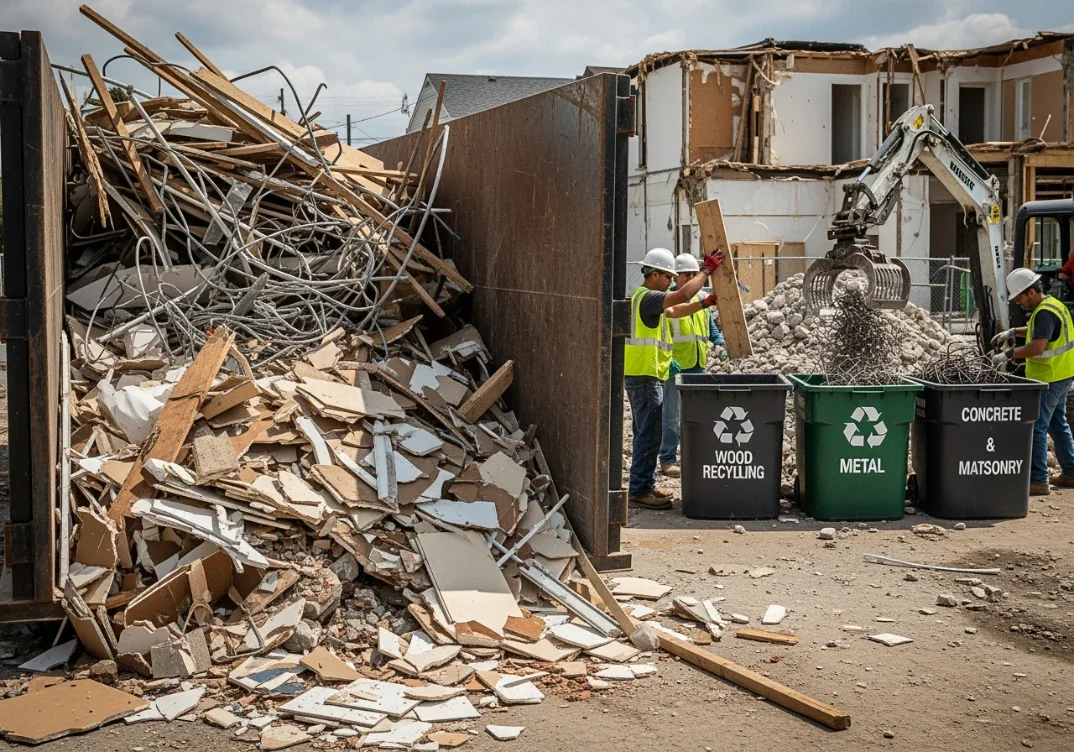
Source Separation: This is the cornerstone of green waste management. By separating materials at the source (on your job site) into distinct bins for wood, metal, concrete, and general waste, you make recycling much more efficient and cost-effective.
Deconstruction: Instead of traditional demolition, deconstruction involves carefully dismantling a structure to salvage components for reuse and recycling. While more labor-intensive, it maximizes material recovery and can yield valuable items for resale or donation. The benefits of deconstruction are highlighted in various industry resources, emphasizing its role in sustainable building.
Finding Specialized Recyclers: Beyond general C&D facilities, seek out recyclers that specialize in specific materials. The Construction and Demolition Recycling Association can provide information on nearby facilities that handle concrete, asphalt, wood, and other construction materials.
Repurposing Materials: Get creative! Old doors can become tabletops, leftover tiles can be used for mosaic art, and scrap wood can be transformed into shelving or decorative elements. This not only diverts waste but also adds unique character to your home.
The Bigger Picture: Legal, Economic, and Environmental Benefits of Remodeling Waste Management
Effective remodeling waste management extends far beyond the immediate cleanup; it has significant legal, economic, and environmental ramifications that benefit homeowners, communities, and the planet.
Navigating Legal Requirements for remodeling waste management
Adhering to local regulations is non-negotiable. Ignoring waste disposal laws can lead to hefty fines and legal complications.
Local Ordinances: These govern everything from dumpster placement permits (especially if on public property) to acceptable disposal methods for various materials. Your city or county may have specific rules regarding construction debris that differ from general household waste.
Environmental Laws: Beyond local rules, federal regulations like the Resource Conservation and Recovery Act (RCRA) dictate the handling of hazardous waste. State-specific environmental protection agencies also have guidelines for construction and demolition debris, particularly concerning materials like asbestos, lead, and chemicals. Compliance ensures you avoid illegal dumping penalties and contribute to environmental protection.
Familiarizing yourself with these requirements is a critical part of responsible remodeling waste management.
The Role of Circular Economy and Technology in remodeling waste management
The future of waste management is increasingly shaped by circular economy principles and technological advancements.
Circular Economy Principles: This approach aims to keep resources in use for as long as possible, extracting the maximum value from them while in use, then recovering and regenerating products and materials at the end of each service life. In remodeling, this means designing for disassembly, prioritizing durable and recyclable materials, and fostering robust markets for salvaged and recycled goods.
Technology's Impact: Technology is changing how we manage C&D waste.
Building Information Modeling (BIM): BIM software allows for precise planning, reducing material over-ordering and waste generation from the design phase.
Waste Tracking Software: Digital tools help monitor waste streams in real-time, identifying areas for improvement and optimizing collection schedules.
Smart Sorting Technology: Automated systems can efficiently separate mixed debris, increasing recycling rates and reducing labor costs. These innovations are making waste management more efficient, cost-effective, and environmentally friendly.
The Payoff: Why Good Waste Management Matters
The benefits of a well-executed waste management plan are multifaceted, touching on your finances, the environment, and even your project's safety.
Cost Savings: By reducing waste, reusing materials, and recycling, you can significantly lower disposal costs. Landfill fees can be substantial, and diverting materials away from them directly impacts your budget. Donating usable items can also lead to tax deductions.
Environmental Conservation: Every ton of waste diverted from a landfill reduces greenhouse gas emissions, conserves natural resources, and lessens the burden on our ecosystems. The recycling of C&D materials alone created an estimated 175,000 jobs in 2012, demonstrating a positive economic and environmental impact.
Safer, Cleaner Worksites: A well-managed waste stream means a more organized and safer renovation site. Less clutter reduces trip hazards and keeps hazardous materials properly contained, protecting workers and homeowners.
Improved Reputation: For contractors, demonstrating a commitment to sustainable waste management can improve your reputation and attract environmentally conscious clients. For homeowners, it provides peace of mind knowing your project aligns with responsible practices.
Conclusion
Starting on a home remodel is a significant undertaking, and how you manage the resulting debris is just as important as the design choices you make. Effective remodeling waste management is a strategic process that benefits your budget, the environment, and the overall success of your project.
The key takeaways are clear: plan ahead by assessing your waste volume and identifying reusable materials, sort your waste diligently to maximize recycling and donation opportunities, and dispose of all materials, especially hazardous ones, responsibly and in compliance with local regulations. By embracing eco-friendly practices and leveraging available resources, you not only contribute to a cleaner planet but also potentially save money and create a safer work environment.
A successful remodel truly includes smart debris handling. By making conscious choices about your renovation waste, you're not just improving your home; you're also doing your part to improve the planet. To explore how we can assist with your home improvement needs, from efficient plumbing upgrades to comprehensive HVAC services, visit our home page today.
Stay up to date with our latest ideas!