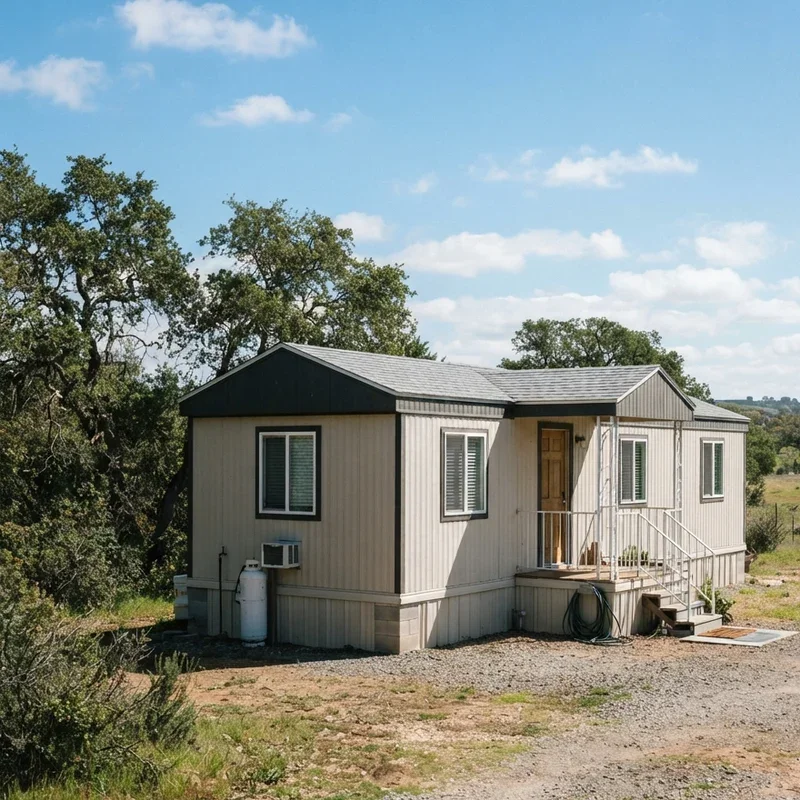
Wondering how much skirting costs for a mobile home? Here's a full price breakdown by material, size, and labor in 2026.
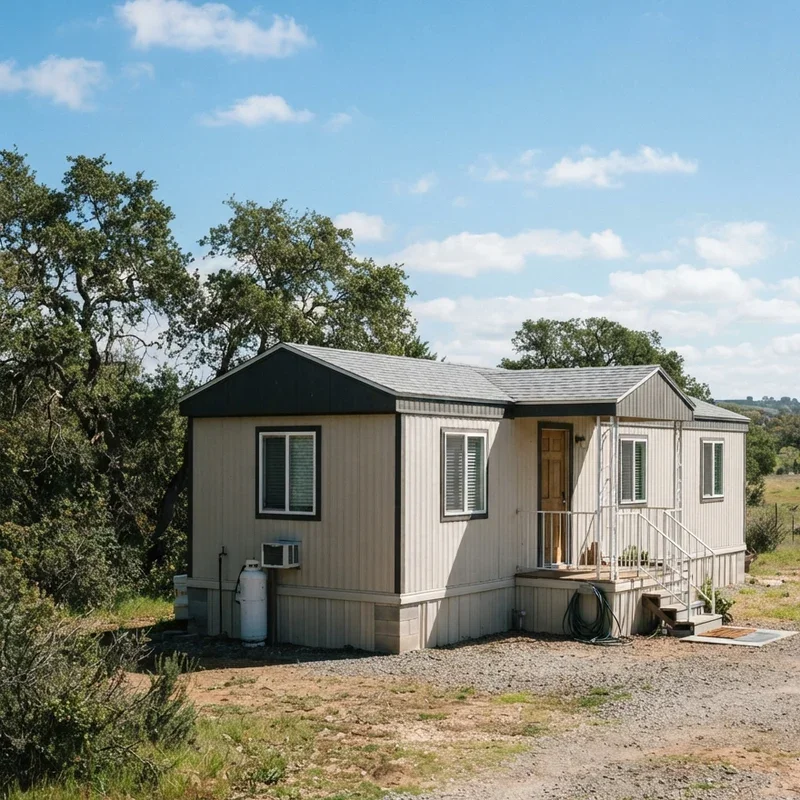
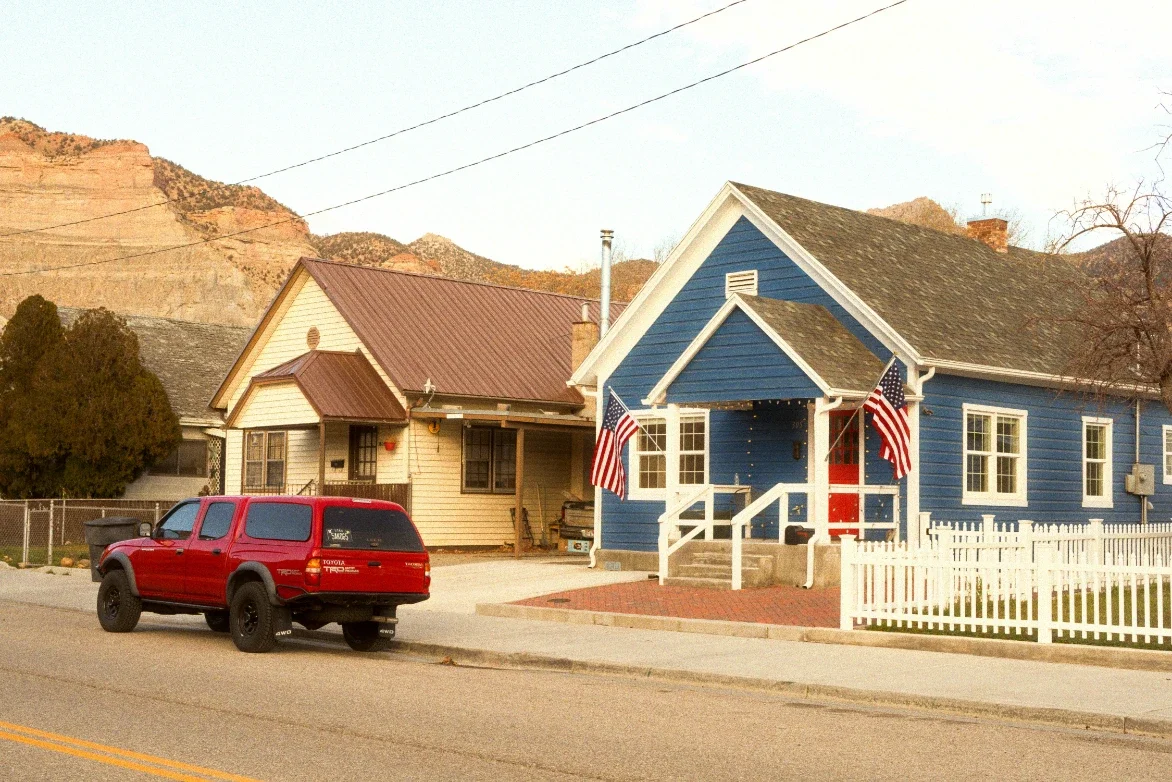
So you've finally noticed that awkward gap under your mobile home, and now you can't unsee it. Wind whistles through, critters treat it like a free hotel, and your floors feel like an ice rink every January. Skirting fixes all of that, but nobody hands you a straight answer on price. Ask three contractors, get three wildly different numbers. Let's cut through the noise and talk real dollars, real materials, and what you should actually expect to pay before you sign anything.
How Much Does Skirting Cost for a Mobile Home? The Short Answer
Most folks end up spending somewhere between $1,200 and $3,500 to skirt a mobile home from scratch. That's the sweet spot where the majority of projects land, installation included. Go bargain-basement with basic vinyl and a weekend of your own sweat, and you might squeak by for $500. Go full brick veneer with a licensed crew, and you're staring down $10,000 or more without blinking. The gap is enormous because skirting isn't one product. It's a whole category of solutions ranging from thin plastic panels to actual masonry, and the price reflects that spread.
What Actually Drives the Price Up or Down
Before you panic at a quote, understand what you're really paying for. Four things move the needle more than anything else.
1. Material choice. Vinyl sits at the bottom, brick and stone at the top, with metal, wood, and fiber cement scattered in between. 2. Perimeter length. A single-wide has roughly 150 to 180 linear feet to cover. A double-wide pushes 200 to 250. More feet, more money, plain and simple. 3. Height off the ground. Homes sitting high on piers need taller panels, which means more material per foot and sometimes custom sizing. 4. Site conditions. Sloped lots, rocky soil, and uneven ground turn a simple job into a puzzle, and contractors charge for puzzles.
Honestly, that last one catches people off guard constantly. A perfectly level pad might cost you $1,400. The same house on a hillside? Tack on another $600 easy, because every panel needs trimming and the ground track has to step down with the grade.
Vinyl Skirting Costs The Crowd Favorite
Vinyl is far and away the most popular choice, and there's a good reason for that. It's cheap, it's light, and one person with a utility knife can install it over a long weekend.
Materials alone run about $3 to $8 per linear foot. For a single-wide, that's roughly $450 to $1,200 in panels, top rail, bottom track, and vents. Add professional installation and you're looking at $1,000 to $2,200 all in. Double-wides typically land between $1,400 and $2,800.
The catch? Vinyl gets brittle in cold climates and warps in brutal heat. Kids kick a ball at it, and you've got a crack. Weed whackers eat it for breakfast. Most vinyl skirting lasts eight to fifteen years depending on your climate and how gentle life is around your home. For the price, though, it's tough to beat, and replacement panels cost next to nothing.
Metal Skirting Built Like a Tank
Steel and aluminum skirting has quietly gained a following among people who are sick of replacing cracked vinyl every few years. Aluminum runs $5 to $12 per linear foot for materials. Galvanized steel costs a bit more, roughly $7 to $15 per linear foot.
Installed, expect $900 to $2,400 for a single-wide and $1,500 to $3,400 for a double-wide. Metal shrugs off impacts that would shatter vinyl, and it doesn't care about UV exposure the way plastic does. It also holds up beautifully against rodents, who can chew through vinyl but won't get far with steel.
Downsides? It dents. Coastal folks deal with corrosion unless they spring for properly coated panels. And metal conducts heat like crazy, so without insulation behind it, you're not gaining much on the energy front.
Faux Rock and Faux Brick Panels The Looks Without the Labor
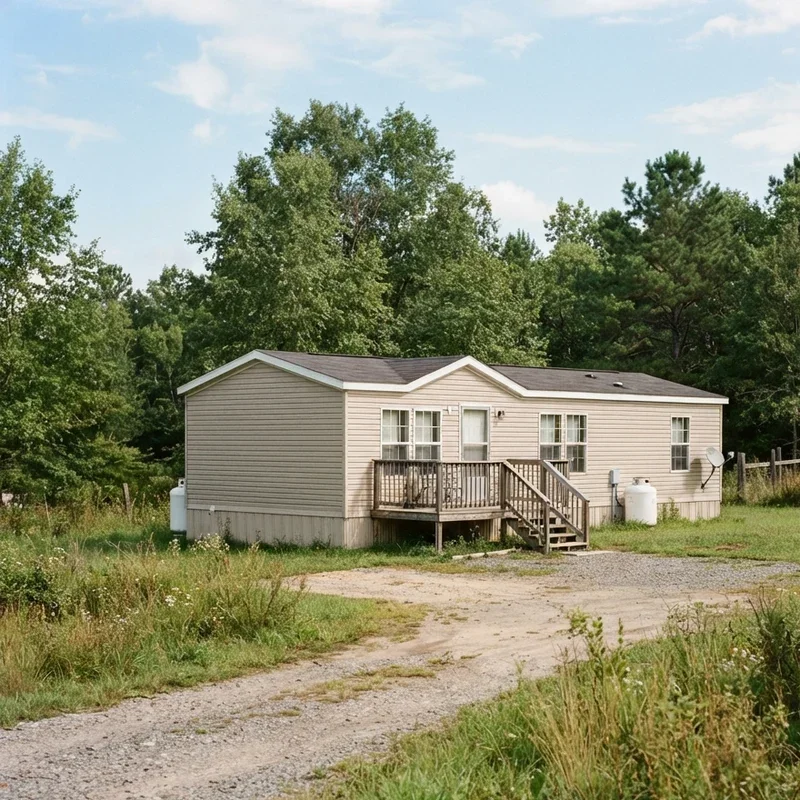
Here's where things get interesting. Simulated stone and brick panels give you the high-end masonry look at maybe a third of the cost. They're molded from high-density polyurethane or polypropylene, weigh almost nothing, and snap together without a mason in sight.
Material costs run $10 to $25 per linear foot. A full single-wide project usually totals $1,800 to $4,200 installed, while double-wides climb to $2,500 to $6,000. That's real money, no question, but when you compare it to genuine brick at three times the price, the math starts making sense.
The realism has come a long way too. Standing ten feet back, most people honestly can't tell. Get up close and you'll spot the repeating pattern, but nobody's inspecting your foundation with a magnifying glass.
Concrete Block and Real Masonry
Now we're in permanent territory. Concrete block skirting runs $12 to $30 per linear foot installed, putting most projects at $2,200 to $6,500. Real brick veneer climbs higher still, $15 to $40 per linear foot, with total costs frequently hitting $4,000 to $12,000.
Why would anyone spend that? A few solid reasons. Masonry skirting reads as a permanent foundation to appraisers and lenders, which can matter enormously if you're trying to convert your home from personal property to real property. It never needs replacing. It laughs at lawnmowers, hail, and curious raccoons. And it genuinely improves resale value in a way vinyl simply doesn't.
Just know that you'll need footings below the frost line in cold regions, which adds excavation costs. And if your home ever needs to be moved or releveled, masonry skirting becomes a serious headache.
Wood and Fiber Cement Options
Treated plywood, T1-11 siding, and cedar boards make handsome skirting for people who want a cabin feel. Materials cost $4 to $10 per linear foot, with installed totals around $900 to $2,600.
The problem is maintenance. Wood sitting inches from wet soil rots, warps, and invites termites to dinner. You'll be sealing and repainting every three to five years, minimum. Some people love the look enough to accept that. Others regret it by year two.
Fiber cement panels split the difference nicely. They cost $8 to $18 per linear foot, look like wood, and don't rot or feed insects. Installed projects typically run $1,800 to $4,500. They're heavy and brittle during installation, so this one's genuinely better left to pros.
Labor Costs What the Crew Actually Charges
Installation typically accounts for 40 to 60 percent of your total bill. Contractors generally charge $2 to $6 per linear foot for vinyl and metal, jumping to $10 to $25 per linear foot for masonry work.
Hourly rates hover between $45 and $90 depending on your region. A straightforward vinyl job on a single-wide takes a two-person crew about four to six hours. Faux stone might stretch to a full day. Block or brick? Plan on two to four days with site prep.
Some dealers roll skirting into a new home package, and that's often the cheapest route you'll ever find. If you're buying, ask. Always ask.
How Much Does Skirting Cost for a Mobile Home? Breaking It Down by Size
Size changes everything, so here's a cleaner look at what different homes cost to skirt with mid-range materials.
1. Single-wide (14x70 feet, about 168 linear feet): $1,000 to $3,500 for most materials, $4,000 plus for masonry. 2. Double-wide (28x60 feet, about 176 linear feet): $1,200 to $4,000 typical, $5,000 plus for stone or brick. 3. Large double-wide (32x76 feet, about 216 linear feet): $1,600 to $5,000 standard, $7,000 plus for premium options. 4. Triple-wide or custom: $2,500 to $8,000 standard, easily $12,000 with masonry.
Interesting quirk worth noting: a double-wide doesn't always cost dramatically more than a single-wide, because perimeter doesn't scale the way square footage does. A wider home just isn't proportionally longer around the edges.
Hidden Costs That Sneak Into the Final Bill
Quotes have a funny way of growing. Watch for these add-ons.
1. Ventilation. Building codes require roughly one square foot of vent per 150 square feet of floor area. Vent kits cost $15 to $60 each, and you'll need several. 2. Access doors. Every home needs at least one, usually two. Budget $80 to $300 apiece. 3. Insulation backing. Foam board behind your panels adds $1 to $4 per linear foot but pays you back in heating bills. 4. Old skirting removal. Demolition and disposal typically runs $200 to $600. 5. Ground prep and leveling. Grading around the perimeter costs $300 to $1,200 depending on how rough things are. 6. Permits. Many counties want one. Expect $50 to $250, occasionally more.
Add all that up and a $1,500 quote quietly becomes $2,400. Ask for an itemized estimate up front and you'll avoid that particular gut punch.
DIY Versus Hiring It Out
Rolling up your sleeves saves serious money on vinyl and metal jobs. You'll cut your total roughly in half, since labor makes up such a big slice of the pie. The tools you need are modest: tin snips, a level, a tape measure, a rubber mallet, and patience.
That said, DIY has limits. Masonry needs real skill. Uneven lots need experience. And a sloppy install shows badly, with wavy lines and gaps that make the whole house look neglected.
Rule of thumb: if the ground's flat and you're using vinyl, go for it. Anything else, get quotes.
Does Skirting Pay for Itself?
Sort of, yes. Properly installed and insulated skirting cuts heat loss under the floor substantially, and many owners report heating bills dropping 10 to 20 percent in cold months. Over a decade, that alone can cover a vinyl install.
Beyond energy, skirting keeps skunks, cats, snakes, and rodents out from under your home. It protects water lines from freezing, which is no small thing when a burst pipe runs $500 to fix. And most parks flat out require it, so the choice is often made for you anyway.
Smart Ways to Trim the Cost
1. Buy materials during late fall or winter when demand dips and suppliers discount inventory. 2. Get at least three quotes, and mention that you're comparing. Prices move. 3. Consider mixing materials, putting faux stone across the front and plain vinyl along the back. 4. Handle demolition and ground prep yourself, then let the crew do the skilled part. 5. Check with your park or community office. Some negotiate bulk pricing for residents.
When It's Time to Replace Rather Than Repair
If more than a quarter of your panels are cracked, faded, or sagging, patching becomes a losing battle. Same goes if the bottom track has pulled loose along multiple sections or if you're finding fresh animal entry points every spring. At that stage, a full replacement costs less per year of service than endless piecemeal fixes.
Conclusion
Skirting your mobile home isn't glamorous, but it's one of those upgrades you'll appreciate every single winter. Most homeowners spend $1,200 to $3,500, with vinyl anchoring the low end and masonry sitting at the top. Figure out your perimeter, pick a material that suits your climate and budget, and collect a few quotes before committing. Do it right the first time and you'll enjoy warmer floors, lower bills, and a home that finally looks finished.
Read next: How to Build Kitchen Cabinets: Step-by-Step DIY Guide
Frequently Asked Questions
1. How much does skirting cost for a mobile home per linear foot?
Expect $3 to $8 for vinyl and $15 to $40 for brick masonry.
2. Can I install mobile home skirting myself to save money?
Yes, vinyl and metal skirting are beginner friendly and cut your total cost roughly in half.
3. How long does vinyl mobile home skirting typically last?
Usually eight to fifteen years, depending heavily on climate, sun exposure, and accidental impacts.
4. Is insulated skirting worth the extra upfront expense?
Generally yes, since reduced heating bills often recover the added cost within several winters.
5. Do mobile home parks legally require skirting on every home?
Most parks and many local codes require it, typically within thirty to ninety days of placement.
Stay up to date with our latest ideas!