A Stronger Roof Starts With Knowing What Utah Weather Can Do
Learn how Utah weather affects roof durability, from heavy snow and strong winds to intense sun and temperature swings, and how to protect your home.
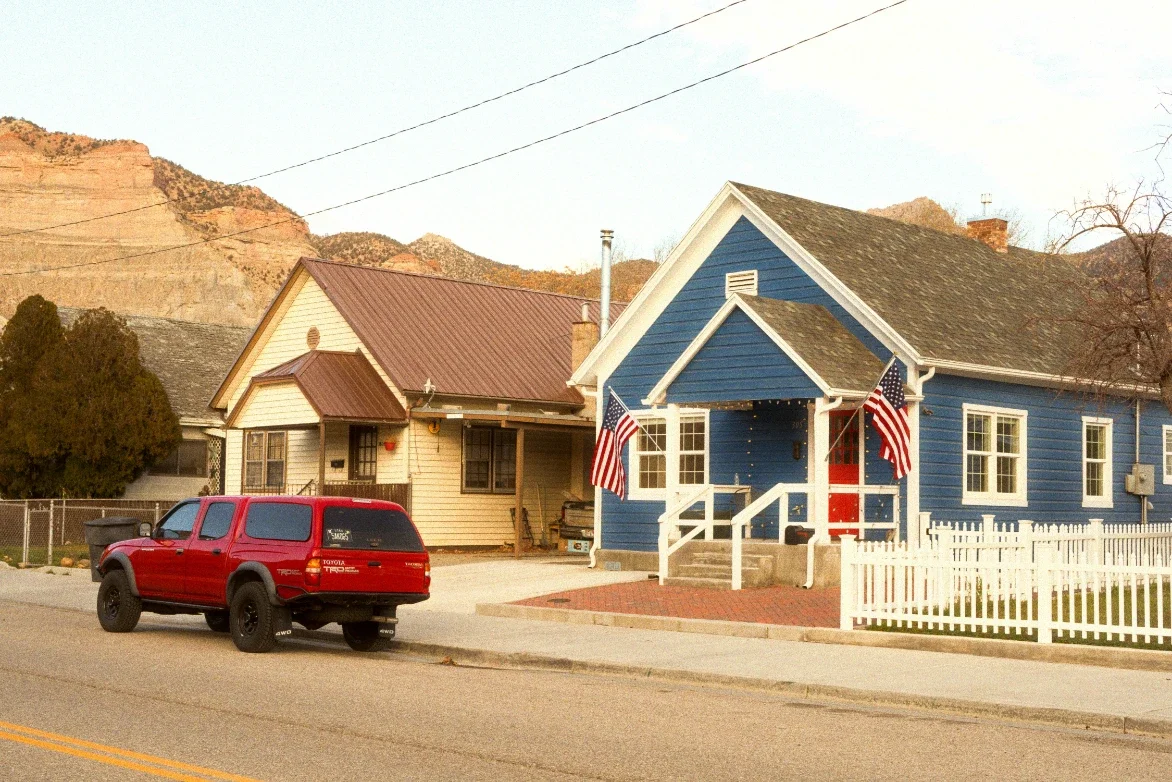
Utah homeowners face more than one kind of roofing stress throughout the year. Intense summer sun can dry and weaken roofing materials, while winter snow, ice, and repeated freeze-thaw cycles can expose small weaknesses before they become expensive interior damage. In northern communities, heavy snow loads may test a roof’s structure. In southern Utah, heat, wind, and sudden storms create a different set of concerns.
Knowing how local weather affects a roof helps homeowners plan maintenance before a minor issue becomes a ceiling stain, insulation problem, or emergency replacement.
Utah Weather Creates Several Roofing Risks
A roof may look sound from the ground while damage develops in less visible areas. Seasonal conditions can affect shingles, flashing, underlayment, gutters, and ventilation at the same time.
Freeze-thaw cycles
When daytime temperatures rise above freezing and nighttime temperatures drop, trapped moisture can expand and contract repeatedly. This movement may loosen flashing, widen small cracks, and allow water to reach the roof deck. Over time, homeowners may notice lifted shingles, deteriorated sealant, or leaks around chimneys, vents, and skylights.
Ice dams can create another problem when heat escapes through a poorly ventilated attic. Snow melts on warmer sections of the roof, then refreezes near colder eaves. The resulting ice can block drainage and push water beneath roofing materials.
High heat and ultraviolet exposure
Utah’s dry climate does not eliminate moisture-related roofing concerns, but it does increase exposure to sunlight. Prolonged ultraviolet radiation can make shingles brittle, fade protective granules, and reduce the flexibility of roofing materials. Dark attic spaces that become excessively hot may also accelerate aging from underneath.
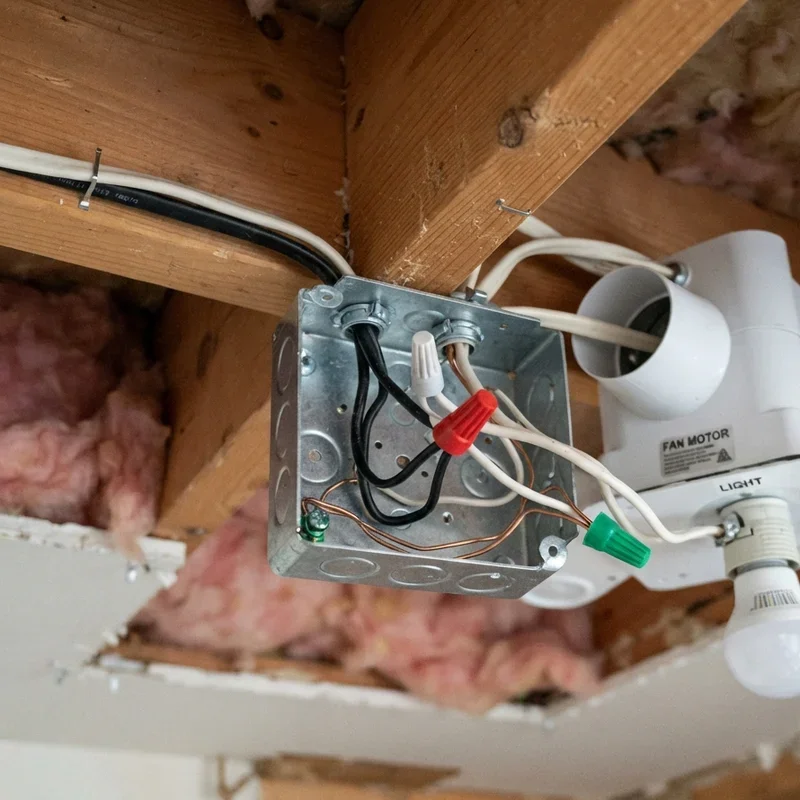
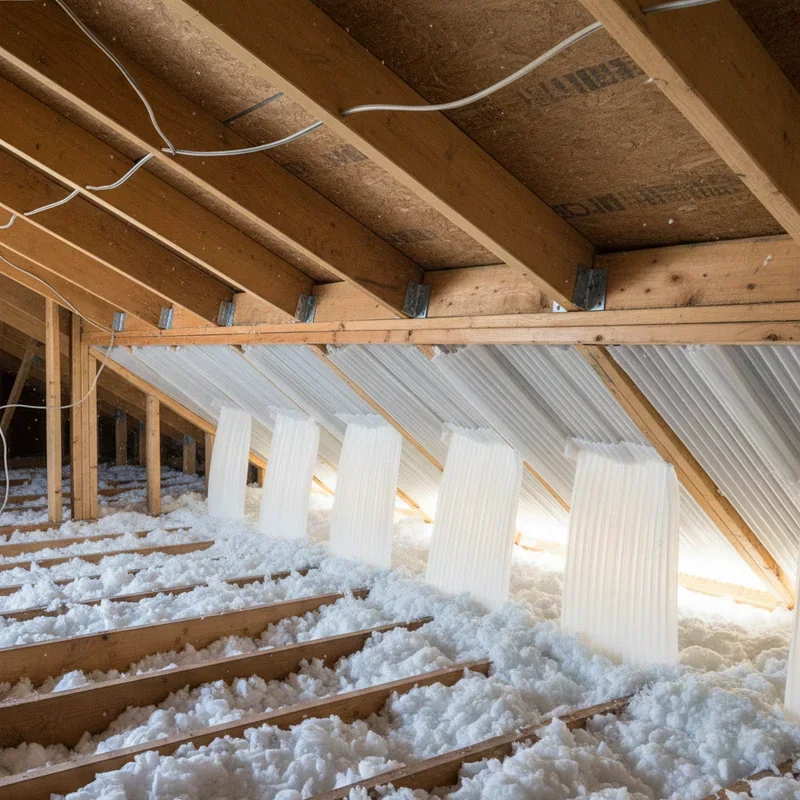
Adequate attic insulation and ventilation can help regulate temperatures and reduce condensation. They also support more consistent indoor comfort, which may lower the strain on heating and cooling systems.
Wind, hail, and sudden storms
Strong winds can lift shingles, damage ridge caps, and loosen flashing. Hail may leave dents or granule loss that is difficult to see without a close inspection. Summer thunderstorms can also overwhelm clogged gutters and downspouts, sending water toward siding, foundations, or low areas around the home.
After a major storm, a professional assessment can identify damage that is not obvious from the yard. Homeowners looking for a local roofing resource can review https://rioroofingutah.com/ when evaluating inspection, repair, or replacement needs.
Plan Roof Care Around the Seasons
Timing maintenance around Utah’s weather patterns can make repairs more manageable and reduce the chance of paying for emergency work.
Inspect before winter
Late summer or early fall is a practical time to check shingles, flashing, pipe boots, valleys, gutters, and attic ventilation. Repairs completed before the first major snowfall are generally easier to schedule and may prevent moisture from entering during the coldest part of the year.
Homeowners should also look for interior warning signs, including water marks, damp insulation, peeling paint, musty odors, and unexplained drafts near the attic. These clues may indicate a roofing or ventilation issue even when the exterior appears intact.
Reassess after severe weather
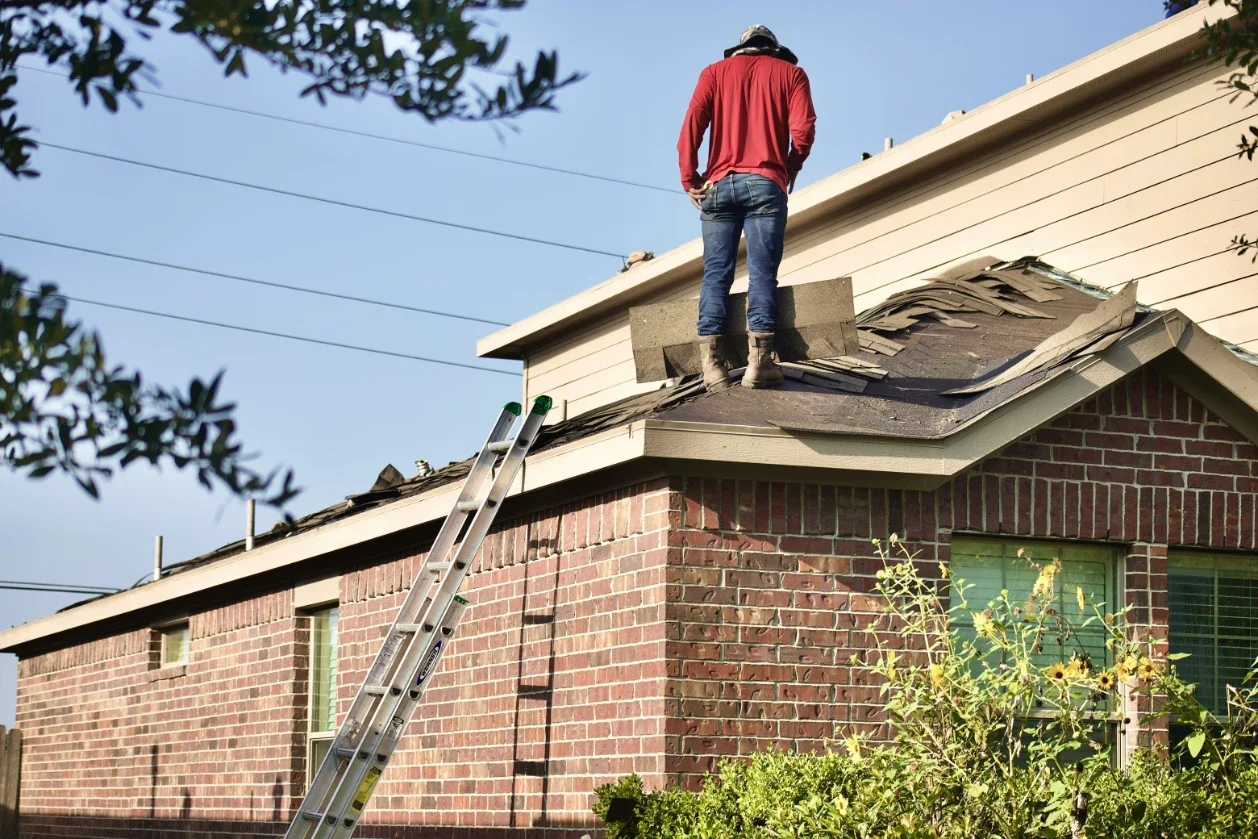
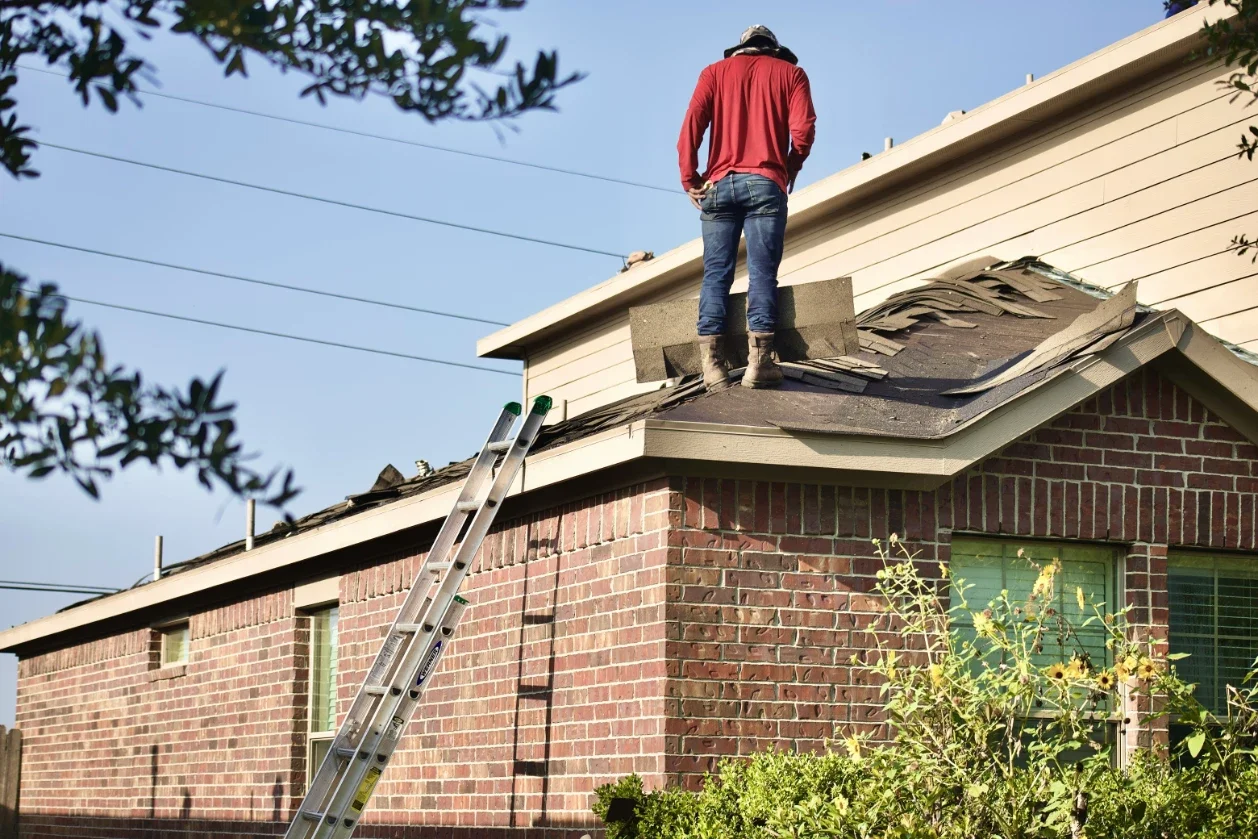
A post-storm inspection is worthwhile after hail, high winds, or unusually heavy snow. Photographing visible damage can help document conditions, but climbing onto a roof is risky and may cause additional damage. A qualified roofing professional can evaluate the surface safely and distinguish cosmetic wear from problems that threaten performance.
Know when repair is no longer the best value
A few damaged shingles or a small flashing failure may be suitable for repair. However, widespread granule loss, recurring leaks, sagging areas, extensive storm damage, or an aging roof may point toward replacement. Comparing the cost of repeated repairs with the expected service life of the existing roof gives homeowners a clearer financial picture.
A stronger roof is not simply one with new materials. It is a roof matched to the home’s ventilation, slope, drainage, exposure, and local weather conditions. Regular inspections and prompt attention to seasonal damage can protect living spaces, preserve property value, and reduce the likelihood of an expensive surprise during Utah’s next storm.
Stay up to date with our latest ideas!