How Long Does It Take to Paint a Room? Time Breakdown
Discover how long does it take to paint a room with our complete time breakdown. Learn prep work, painting stages, and expert tips.
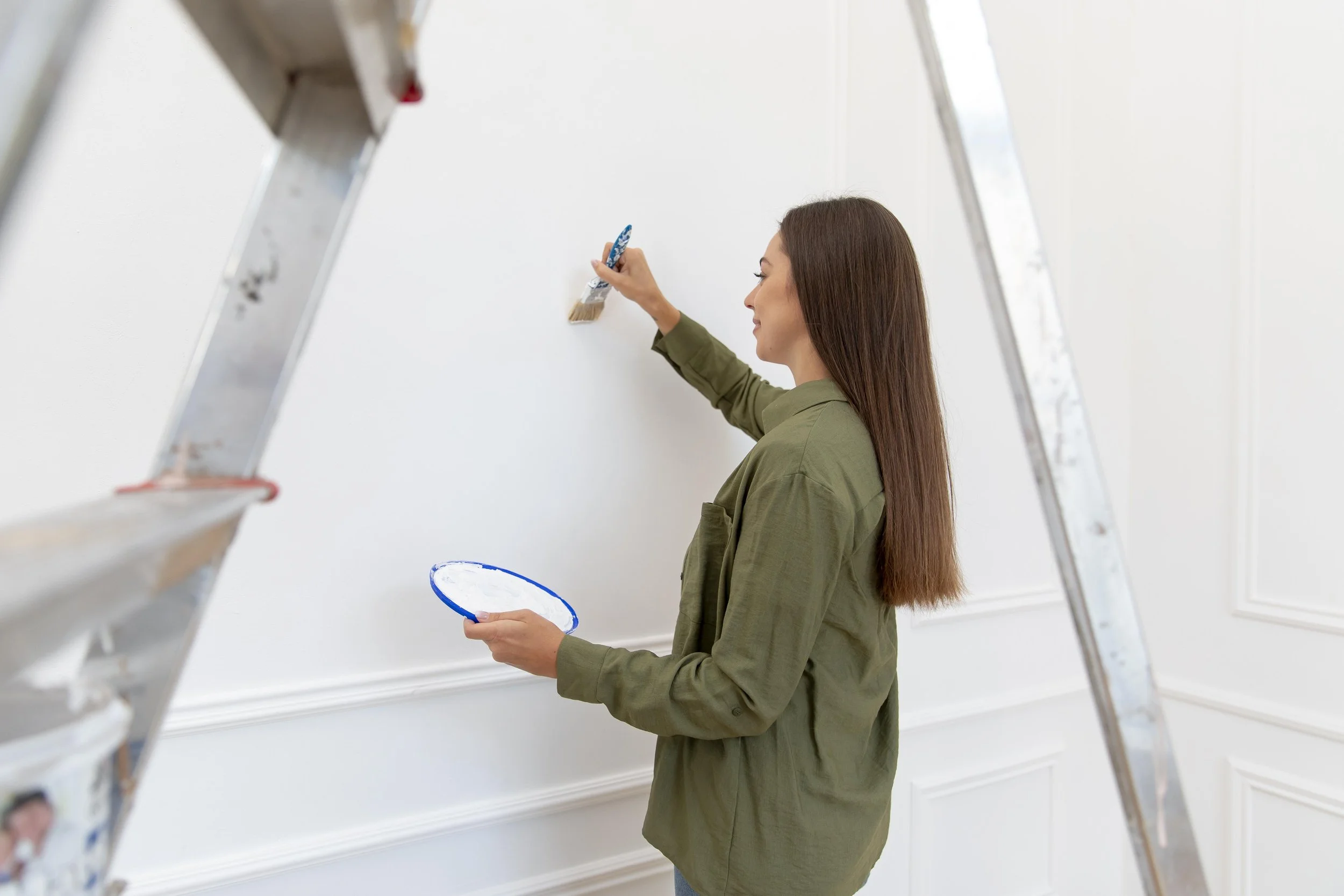
So you've finally decided to give that tired bedroom a fresh coat of paint. Maybe the living room walls are screaming for a makeover, or perhaps the kids' room needs a splash of something new. Whatever the reason, there's one burning question on your mind: how long is this going to take?
Well, you're not alone in wondering about this. Countless homeowners underestimate the time commitment involved in painting a room, and let me tell you, nothing's worse than starting a project on Saturday morning thinking you'll be done by lunch, only to find yourself still rolling paint at midnight.
Here's the thing about painting. It's not just about slapping color on walls and calling it a day. There's prep work involved, drying time to consider, and a whole bunch of little details that can either speed things up or slow you down considerably.
In this comprehensive guide, we're going to break down everything you need to know about how long does it take to paint a room. From the moment you pop open that paint can to the final touch-up, you'll have a realistic timeline that actually makes sense. Ready to dive in? Let's get those brushes ready.
Understanding the Basics of Room Painting Time
Before we crunch any numbers, let's establish what we're actually dealing with here. A standard bedroom measuring roughly 12 by 12 feet with eight-foot ceilings contains approximately 400 to 500 square feet of paintable wall surface. That's assuming you've got a door, a couple of windows, and maybe a closet.
Now, professional painters can knock out a room like this in about three to four hours. But here's the catch: they've done this thousands of times. They've got muscle memory, professional equipment, and techniques that come from years of practice. For us regular folks tackling a weekend project, the timeline looks quite different.
The average homeowner should expect to spend anywhere from six to ten hours on a single room. And honestly, that's if everything goes smoothly. Throw in some unexpected repairs, difficult corners, or textured walls, and you might be looking at a full weekend commitment.
The Complete Time Breakdown for Painting Projects
Preparation Stage: The Foundation of Success
Here's where most people trip up. They get so excited about picking out that perfect shade of coastal blue or warm gray that they completely forget about the prep work. Big mistake. Huge.
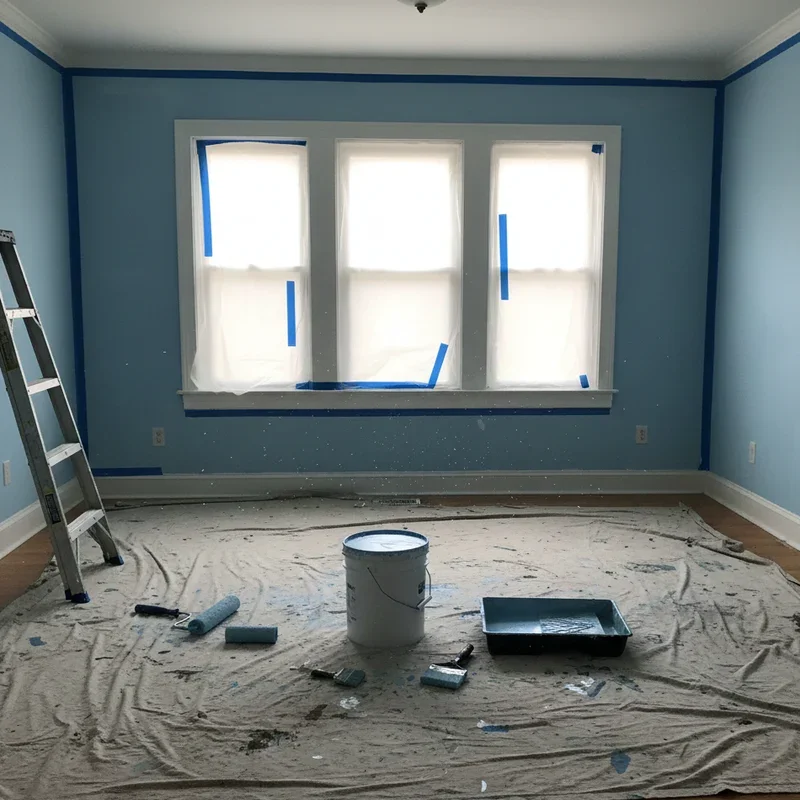
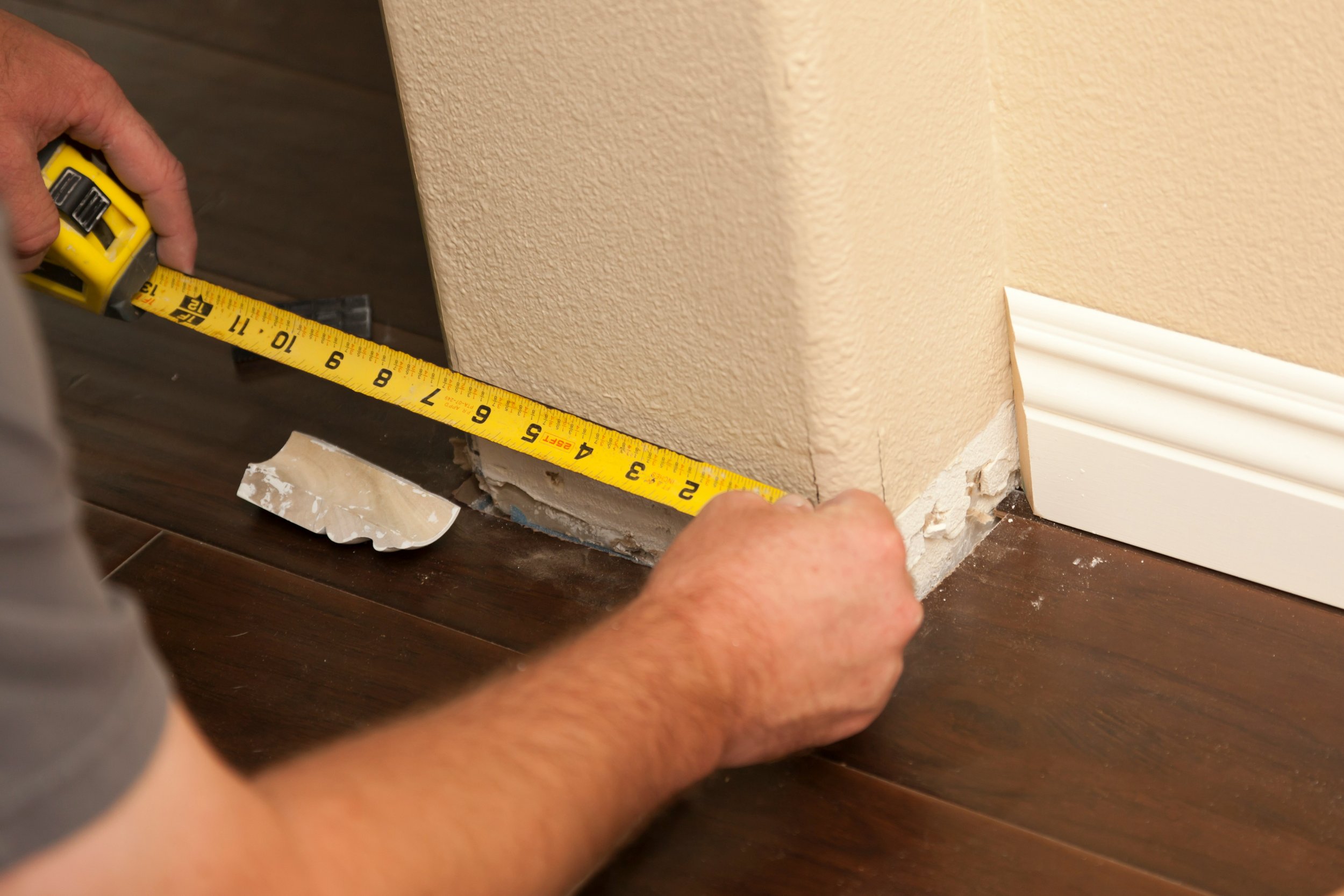
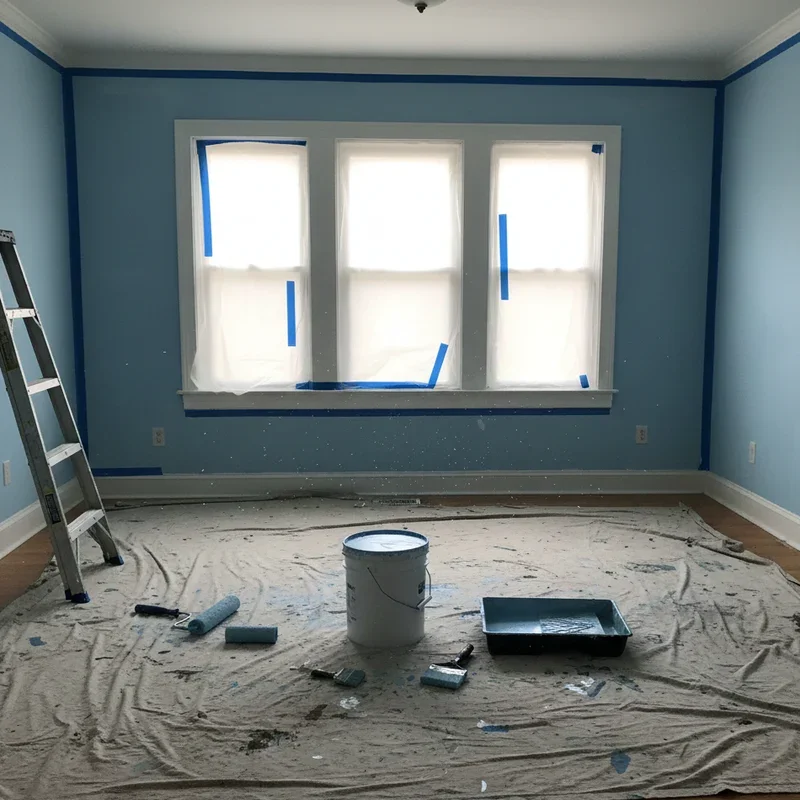
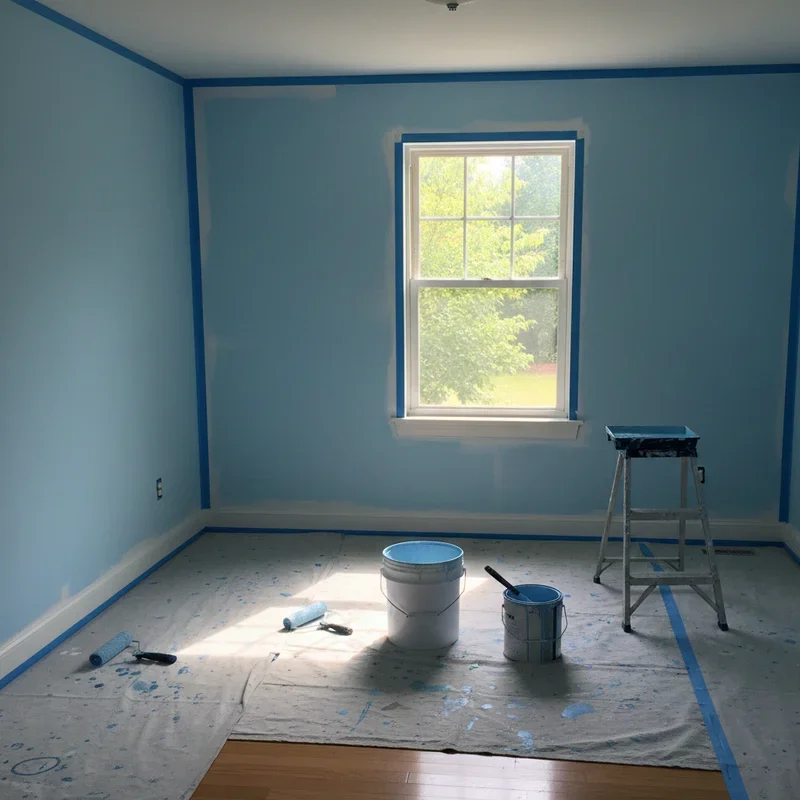
Preparation typically eats up about two to three hours of your total project time. This includes moving furniture away from walls, laying down drop cloths, removing outlet covers and light switch plates, and taping off trim, windows, and door frames.
Don't rush this stage, whatever you do. Proper preparation makes the actual painting go faster and produces much cleaner results. Think of it like this: would you rather spend an extra hour taping off your baseboards or two hours later trying to scrape dried paint off them? The choice seems pretty obvious when you put it that way.
Surface Preparation and Repairs
Walls rarely come in perfect condition. You're likely dealing with nail holes from old picture frames, minor cracks, scuff marks, or that weird dent from when your teenager decided to practice indoor soccer.
Filling holes and patching imperfections takes about thirty minutes to an hour, depending on how much damage you're working with. But here's the kicker: patching compound needs to dry before you can sand it smooth. That's another hour or two of waiting time right there.
Sanding the patches and giving your walls a quick once-over to remove dust adds another twenty to thirty minutes. Some folks skip this step, but trust me, a little sanding makes primer and paint adhere so much better.
Priming: The Unsung Hero
Not every painting job requires primer, but many do. If you're covering dark colors with light ones, painting over stains, working with new drywall, or making a dramatic color change, primer isn't optional. It's essential.
Applying primer to a standard room takes about one to two hours. Then you've got the drying time to factor in, which typically runs between one and four hours depending on the product, humidity, and ventilation.
Here's a pro tip that'll save you some grief. Tinted primer that matches your final paint color can sometimes eliminate the need for that third coat of paint. A little extra at the primer stage might save you hours down the road.
How Long Does It Take to Paint a Room? Time Breakdown by Coat
First Coat Application
Alright, the moment you've been waiting for. Actual painting time.
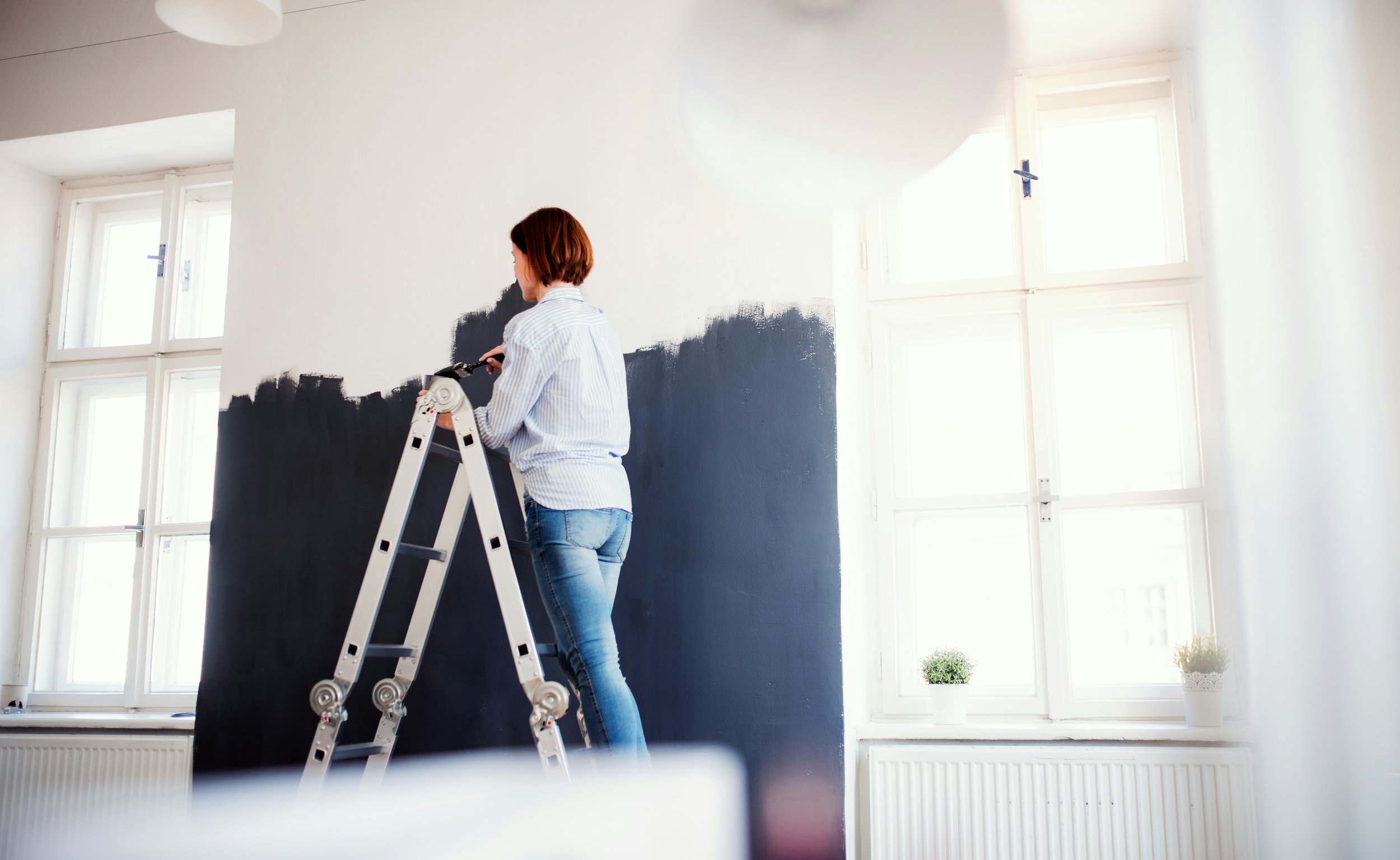
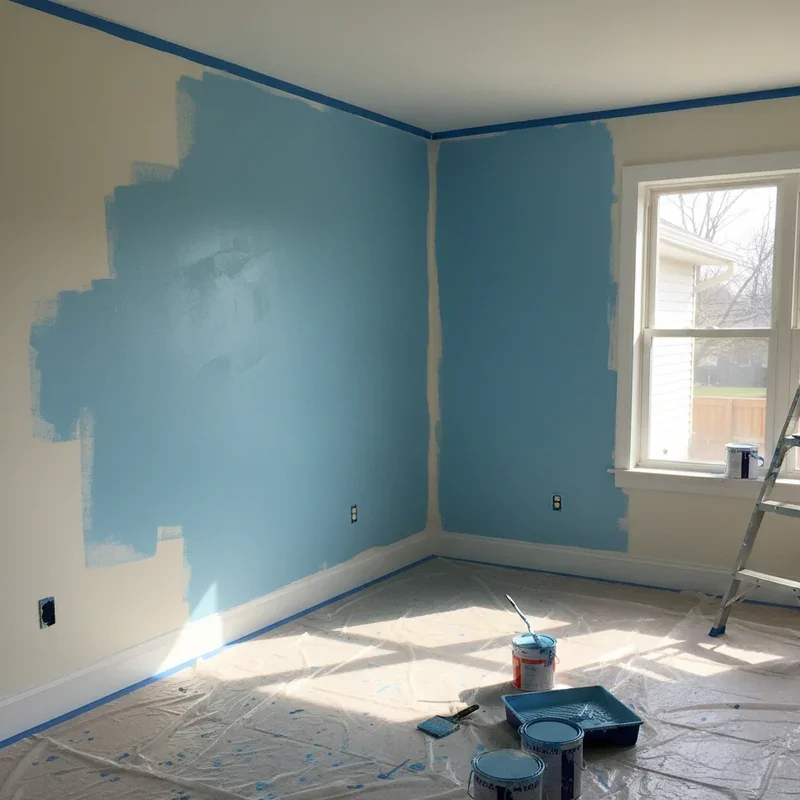
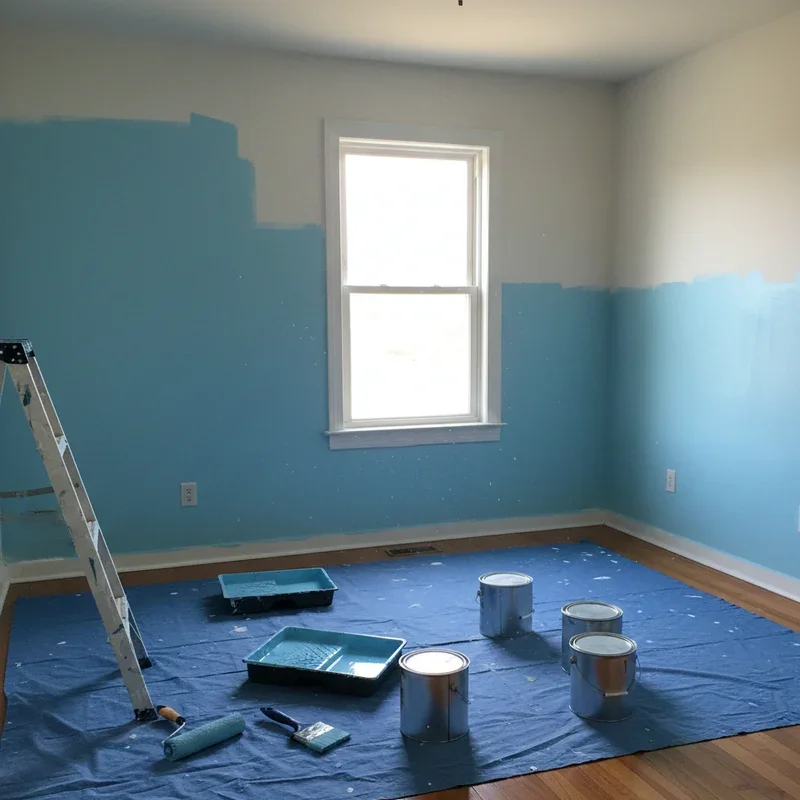
Cutting in around edges, corners, ceilings, and trim with a brush takes about forty-five minutes to an hour for an average room. This is the detail work that requires a steady hand and some patience. Rushing through it is a recipe for sloppy lines and frustration.
Rolling the main wall surfaces goes much faster, typically thirty to forty-five minutes once you've gotten your rhythm down. So your first coat application runs roughly ninety minutes total, give or take.
But wait. You can't just dive into the second coat right away. Paint needs to dry, and depending on the type you're using, that's anywhere from two to four hours for latex paints. Oil-based paints? You're looking at overnight drying time.
Second Coat: Building That Rich Finish
The second coat goes on faster than the first. Your brush knows the territory now, and you've worked out any kinks in your technique. Expect about sixty to seventy-five minutes for the complete second coat.
Most interior painting jobs require two coats for proper coverage and durability. However, if you're dealing with drastic color changes or using lower-quality paint, a third coat might be necessary. That adds another hour plus drying time to your total.
Final Touches and Cleanup
People always forget about this part when estimating time. Removing painter's tape, touching up any missed spots, cleaning brushes and rollers, and putting furniture back in place takes another hour to ninety minutes.
Removing tape at just the right moment is actually kind of tricky. Pull it too soon and you risk smearing wet paint. Wait too long and the tape might pull dried paint right off with it. The sweet spot is usually about an hour after your final coat, when the paint is dry to the touch but hasn't fully cured.
Factors That Affect Your Painting Timeline
Room Size and Complexity
Obviously, a small powder room paints faster than a large master bedroom. But square footage isn't the only consideration. A room with lots of windows, multiple doors, built-in bookcases, or architectural details like crown molding takes significantly longer than a simple box with four plain walls.
High ceilings present their own challenges too. Anything over nine feet requires ladder work, which slows everything down considerably. Not to mention it's more physically demanding and requires more frequent breaks.
Wall Condition and Texture
Smooth drywall is a dream to paint. Textured walls, popcorn ceilings, or surfaces with lots of imperfections? Not so much. Textured surfaces absorb more paint and require more careful application to get color into all those nooks and crannies.
Walls in poor condition that need extensive repairs can add hours to your prep time. Sometimes an entire weekend just for preparation before any painting begins isn't unreasonable.
Your Experience Level
There's no shame in admitting you're new to this. First-time painters should add at least two to three hours to any estimate they see online. Learning proper brush techniques, getting comfortable with a roller, and figuring out the right amount of paint to load takes practice.
By your second or third room, you'll be working noticeably faster. Experience makes a real difference in this game.
Realistic Timeline Examples
Let me paint you a picture (pun intended) of what a typical project might look like in real life.
For a standard 12 by 12 bedroom with average wall conditions, here's a realistic schedule:
Day one involves moving furniture, protecting floors, taping off trim, and completing all repairs. That's about three to four hours of work, plus drying time for any patches.
Day two covers priming in the morning, allowing it to dry during lunch, then applying the first paint coat in the afternoon. Another four to five hours of active work.
Day three, if needed, handles the second coat and final touches. Call it two to three hours total.
So a bedroom project realistically spans a weekend when you factor in drying times and the need to live your actual life between painting sessions.
Tips to Speed Up Your Project
Want to shave some time off your painting adventure? Here are some tricks the pros use.
Invest in quality tools. Cheap brushes and rollers seem like a bargain until you're spending twice as long trying to get decent coverage with them.
Paint in the right conditions. Temperature between 50 and 85 degrees Fahrenheit with moderate humidity helps paint dry faster and apply more smoothly.
Use an extension pole for your roller. You'll cover more ground in less time and save your back in the process.
Consider a paint-and-primer combo for simple color refreshes. It won't work miracles for dramatic changes, but for touch-ups and similar color applications, it can eliminate an entire stage.
Conclusion
Understanding how long does it take to paint a room helps you plan effectively and avoid weekend frustration. Most homeowners should budget a full weekend for a single room, accounting for prep work, multiple coats, and drying time between applications. While professionals work faster, DIY painting remains achievable with realistic expectations. The key is respecting each stage of the process and not cutting corners during preparation.
Read next: Can You Paint Tile Floor? What to Know Before You Start
Frequently Asked Questions
1. How long does it take to paint a room professionally?
Professional painters typically complete a standard room in three to four hours including preparation.
2. Can I paint a room in one day?
Yes, with early start and fast-drying paint, completing one coat is achievable in one day.
3. How long should paint dry between coats?
Latex paint requires two to four hours drying time before applying the next coat properly.
4. Does room size affect painting time significantly?
Absolutely, larger rooms with more windows and doors require considerably more time to complete.
5. Should beginners add extra time for painting projects?
Yes, first-time painters should add two to three extra hours for learning proper techniques.
Stay up to date with our latest ideas!