How to Make a Pull-Out Bed More Comfortable
Learn how to make a pull-out bed more comfortable with mattress toppers, bedding hacks, and simple tricks for a restful night's sleep.
Let's be real for a moment. Sleeping on a pull-out bed can feel like you drew the short straw at a family gathering. That thin mattress, the metal bar poking into your back, the springs that seem to have a mind of their own. Yeah, we've all been there, tossing and turning while everyone else snoozes peacefully in actual beds.
But here's the thing. It doesn't have to be that way. With a few clever tweaks and some smart investments, that dreaded sofa sleeper can actually become a cozy little haven your guests will look forward to using. Or if you're the one crashing on it regularly, you can finally kiss those achy mornings goodbye.
Whether you're hosting overnight visitors, giving up your bedroom for the in-laws, or just trying to make the most of a small apartment, knowing how to make a pull-out bed more comfortable is a genuine game changer. In this guide, we'll cover everything from mattress upgrades to bedding tricks and even a few unexpected hacks that most people never think about. So grab a cup of tea, get comfy, and let's transform that lumpy sofa bed into something you'd actually want to sleep on.
Why Pull-Out Beds Are So Uncomfortable to Begin With
Before we jump into solutions, it helps to understand what makes these beds such a pain in the neck, quite literally. When you know the enemy, you can defeat it much more effectively.
Most sofa beds come with mattresses that are only about four to five inches thick. Compare that to a standard mattress at ten to fourteen inches, and you can see the problem. That thin cushioning offers barely any support, meaning you feel every spring, every bar, and every bump underneath.
Then there's the infamous metal bar. You know the one. It runs across the middle of the frame and seems perfectly positioned to jab you right in the lower back or shoulders. This bar is a structural necessity for the folding mechanism, but boy, does it make sleeping tough.
The mattress material itself is often subpar too. Manufacturers cut corners here because a folded mattress can't be too plush or it won't tuck away neatly. So you end up with something that's basically a glorified yoga mat wrapped in fabric.
Finally, the folding process compresses the mattress over time, breaking down whatever cushioning exists in the first place. Combine all these factors, and it's no wonder pull-out beds have such a rough reputation.
How to Make a Pull-Out Bed More Comfortable With Mattress Toppers
Alright, let's talk about the single biggest upgrade you can make. If you do only one thing from this entire guide, make it this. A good mattress topper is worth its weight in gold when it comes to sofa bed comfort.
Memory Foam Toppers
Memory foam is arguably the king of pull-out bed upgrades. A three to four inch memory foam topper adds substantial cushioning while conforming to your body's shape. It also does an excellent job of masking that dreaded metal bar. You'll barely feel it, if at all.
Look for toppers with medium to medium-firm density. Too soft, and you'll sink through to the crummy mattress below. Too firm, and you're not gaining much comfort. Gel-infused memory foam is a solid choice if you tend to sleep hot, since it helps regulate temperature.
Latex Toppers
Latex is another fantastic option, especially for folks who want something a bit more responsive than memory foam. It's naturally cooling, hypoallergenic, and incredibly durable. The downside? Latex toppers can be pricey, but if you use your pull-out bed frequently, the investment pays off.
Feather or Down Toppers
For a plush, cloud-like feel, feather toppers are hard to beat. They add a luxurious layer of softness on top of the existing mattress. However, they don't provide as much structural support, so they're best used in combination with another topper for the best of both worlds.
Egg Crate Foam
If you're on a tight budget, egg crate foam toppers are a decent starting point. They won't work miracles, but they'll add a couple of inches of cushioning at a fraction of the cost. Think of it as a temporary fix while you save up for something better.
Layering Is Your Best Friend
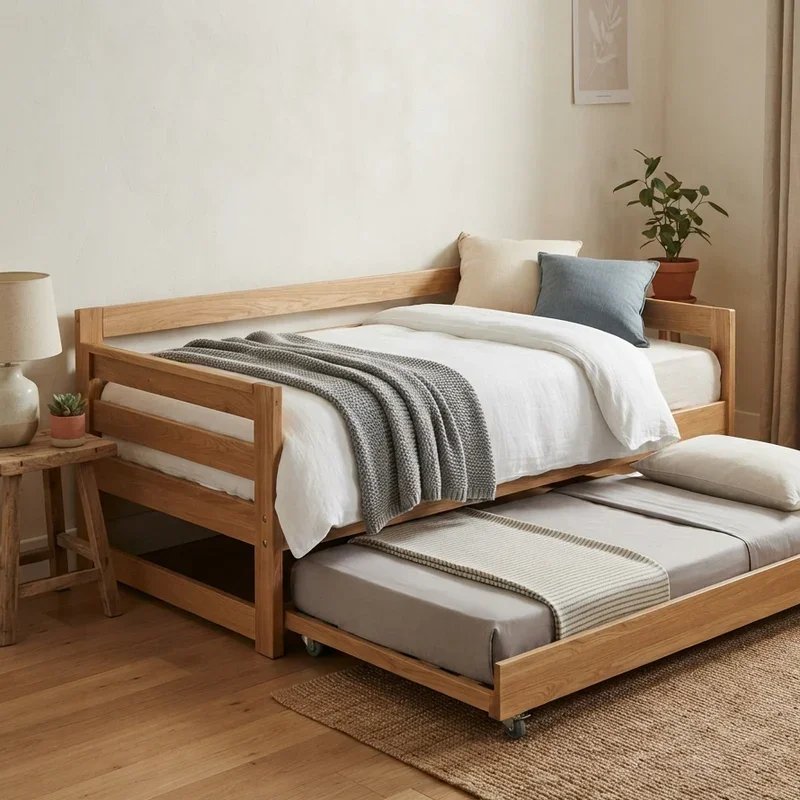
Here's a little secret that hotels use to make their beds feel amazing. It's all about layers. A single topper might help, but stacking multiple layers takes the comfort to a whole new level.
Start with a mattress protector on the sofa bed itself. This shields the mattress from spills and stains while adding a thin layer of comfort. Next, add your chosen topper. On top of that, throw down a plush mattress pad for extra softness. Finally, use high-quality sheets and a fluffy comforter to complete the setup.
By the time you're done, that pull-out bed will feel closer to a proper mattress than the folding contraption it started as. Your guests will honestly wonder if they're still in the living room.
Choosing the Right Bedding
Bedding matters way more than most people realize. The right sheets and blankets can elevate the sleeping experience dramatically.
Sheets
Skip the scratchy budget sheets from the discount aisle. Instead, opt for cotton with a thread count between 300 and 500. Percale sheets feel crisp and cool, while sateen sheets have a silky, smooth finish. Both are great choices depending on your preference.
Deep pocket sheets are especially useful when you're layering multiple toppers, since they need to accommodate the extra height. Standard sheets might pop off during the night, which is annoying at best and sleep-ruining at worst.
Pillows
Don't cheap out on pillows either. A single flat pillow from years ago just won't cut it. Provide two good pillows per guest, one firmer for support and one softer for comfort. Down alternative pillows work well for allergy-prone sleepers, while memory foam pillows offer excellent neck support.
Blankets and Comforters
A warm, cozy comforter can make any bed feel more inviting. Consider offering multiple blanket options so guests can adjust based on the room temperature and their personal preference. A soft throw at the foot of the bed adds a nice touch too.
Dealing With That Awful Bar
Ah, the metal bar. Public enemy number one for pull-out bed sleepers. Even with a great topper, you might still feel it in certain positions. Here are some tricks to neutralize this troublemaker.
Place a folded blanket or thin quilt directly over the mattress before adding your topper. This creates a buffer layer that helps distribute weight more evenly.
Look for bar shields designed specifically for sofa beds. These are foam pads that clip over the bar to reduce its impact.
Position the topper strategically so its thickest part covers the bar area. Some memory foam toppers have varying densities, so use this to your advantage.
If the bar is really bad, consider a bunkie board or thin plywood laid across the frame. This creates a solid, flat surface underneath your topper, effectively hiding the bar completely.
How to Make a Pull-Out Bed More Comfortable Through Frame Adjustments
Sometimes the issue isn't just the mattress. The frame itself can contribute to discomfort, especially if the springs have lost their bounce over time.
Reinforcing the Springs
Check the springs and support system underneath the mattress. If any are sagging, broken, or stretched out, they need attention. You can often replace individual springs or tighten loose connections yourself with basic tools.
Adding a Support Board
Sliding a thin plywood board or a bunkie board between the springs and the mattress does wonders. It provides a stable foundation, prevents sagging, and makes the whole bed feel more solid. Just make sure it's cut to the right size so the sofa still folds properly.
Checking the Frame
Wiggle the frame and see if anything feels loose. Bolts and screws can work themselves loose over time, contributing to squeaks and instability. Tighten everything up and your bed will feel noticeably more stable.
Creating the Right Sleep Environment
Comfort isn't just about the bed itself. The room around it matters just as much.
Temperature Control
A cool room is essential for good sleep. Aim for somewhere between 65 and 68 degrees Fahrenheit. Provide a fan if the room tends to get stuffy, or a small heater for chilly nights.
Lighting
Nothing ruins sleep faster than a bright streetlight shining through the window or the glow from electronics. Offer blackout curtains or a sleep mask. Cover any glowing LEDs with a piece of tape if you have to.
Noise Management
Living rooms can be noisy, especially if they're near kitchens or shared spaces. A white noise machine or a fan doubles as background noise. Earplugs are another thoughtful touch if your guests are light sleepers.
Privacy
If the pull-out bed is in a shared space, provide some sense of privacy. Room dividers, folding screens, or even a curtain rod with fabric can transform an open area into a cozy little bedroom.
Little Touches That Make a Big Difference
Beyond the bed itself, small details can turn a functional sleeping arrangement into a genuinely welcoming setup.
Set out fresh towels and toiletries so guests don't have to ask.
Place a small nightstand or table beside the bed for a water glass, phone, and glasses.
Add a lamp with a soft, warm light for late-night reading.
Provide a phone charger or power strip within easy reach.
Leave a note welcoming guests and letting them know how to adjust the room.
Include a basket with essentials like tissues, hand cream, and a book or magazine.
These little gestures signal that you actually care about your guests' comfort, and they'll remember it long after they've headed home.
Maintenance Tips to Keep Your Pull-Out Bed Comfortable
All this work is great, but maintaining that comfort takes ongoing effort. Here's how to keep things in top shape.
Rotate the mattress every few months to prevent uneven wear.
Vacuum the mattress regularly to remove dust and allergens.
Air out the bedding between uses, especially if it's stored in a closet.
Wash sheets and pillowcases in hot water to kill dust mites.
Fluff pillows and shake out comforters to maintain their loft.
Check the frame periodically for loose parts or worn springs.
A little maintenance goes a long way toward extending the life of your setup.
Budget-Friendly Options for Every Pocket
Not everyone can drop hundreds of dollars on premium toppers and bedding. Here are some wallet-friendly ideas to boost comfort without breaking the bank.
Layer folded blankets between the mattress and sheet for extra padding.
Buy a memory foam mattress topper during holiday sales for major discounts.
Repurpose extra pillows from around the house to reinforce the mattress.
Check thrift stores for quality bedding at rock-bottom prices.
Look for used mattress toppers on marketplace apps, but make sure they're clean.
Comfort doesn't have to cost a fortune. A little creativity goes a long way.
Common Mistakes to Avoid
While we're at it, let's cover some pitfalls people fall into when trying to upgrade their sofa beds.
Buying a topper that's too thin. Anything less than two inches probably won't help much.
Ignoring the mattress protector. Spills happen, and replacing a mattress is way more expensive than a cover.
Forgetting about the pillows. A great mattress paired with lumpy pillows is still a bad night's sleep.
Skipping the sheets. Cheap, scratchy sheets ruin even the best setup.
Not testing the setup yourself. Lie down on the finished bed before your guests arrive. If you can't get comfortable, they won't either.
When It Might Be Time to Replace the Whole Thing
Sometimes, no amount of tweaking can save a truly awful pull-out bed. If the mattress is more than ten years old, if the frame is bent or broken, or if the springs are hopelessly shot, it might be time to shop for a new sofa sleeper. Modern designs have come a long way, with many featuring memory foam mattresses right out of the box. Air mattress sofa beds are another option that many people find surprisingly comfortable.
Conclusion
Making a pull-out bed comfortable really doesn't have to be complicated. With the right mattress topper, quality bedding, and a few thoughtful adjustments to the frame and room, you can transform that dreaded sofa sleeper into a place people actually enjoy sleeping. Whether you're hosting family for the holidays or using it as your primary bed in a small space, these tips will make a world of difference. Give a few of them a try, and you'll wonder why you didn't do it sooner. Sweet dreams ahead.
Read next: What Is a Cubby Bed? A Simple Guide for Parents
Frequently Asked Questions
1.What is the best mattress topper for a pull-out bed?
A three to four inch memory foam topper provides the best comfort and support balance.
2.How do I get rid of the metal bar feeling?
Add a bunkie board or thick memory foam topper to buffer that annoying middle bar.
3.Can I use a regular mattress on a sofa bed?
No, regular mattresses are too thick and heavy for the folding sofa bed mechanism.
4.How often should I replace my pull-out bed mattress?
Replace it every seven to ten years, or sooner if it shows visible sagging.
5.Are pull-out beds good for daily use?
With proper upgrades, they can work, but they're really designed for occasional guest use.
Stay up to date with our latest ideas!