How to Build a Bar: Materials, Layout, and Design Tips
Learn how to build a bar with expert materials, layout, and design tips. Create the perfect home entertaining space today!
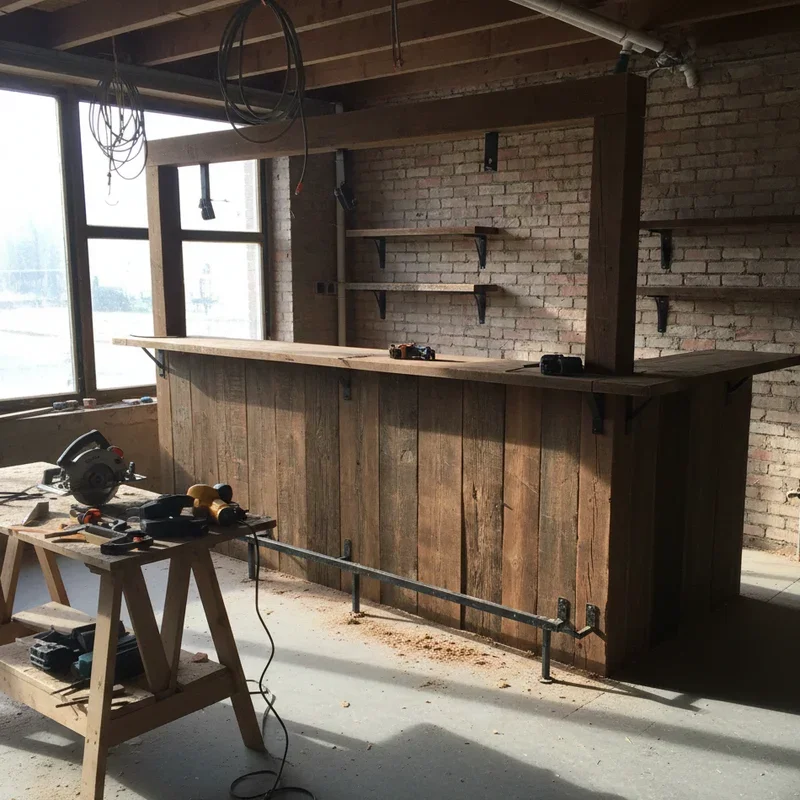
So, you've decided to take the plunge and build your own bar at home. Honestly, there's nothing quite like having a dedicated spot where you can mix cocktails, entertain friends, or simply unwind after a long day. Whether you're dreaming of a rustic pub vibe, a sleek modern lounge, or something totally unique, understanding how to build a bar with the right materials, layout, and design tips will set you up for success.
Building a home bar isn't just about slapping some wood together and calling it a day. Nope, it's about creating an experience. It's about crafting a space that reflects your personality while being functional enough to handle everything from casual drinks to full-blown parties. And let me tell you, once you've got your own bar, you'll wonder why you didn't do it sooner.
In this comprehensive guide, we'll walk you through everything you need to know. From selecting the perfect materials that'll stand the test of time to figuring out a layout that actually works, we've got you covered. Plus, we'll throw in some killer design tips that'll make your bar the envy of the neighborhood. Ready to roll up your sleeves and get started? Let's dive in!
Understanding the Basics Before You Begin
Before you start hammering away, it's crucial to understand what you're getting yourself into. Building a bar requires planning, patience, and a clear vision of what you want to achieve. Trust me, skipping this step is a recipe for frustration down the road.
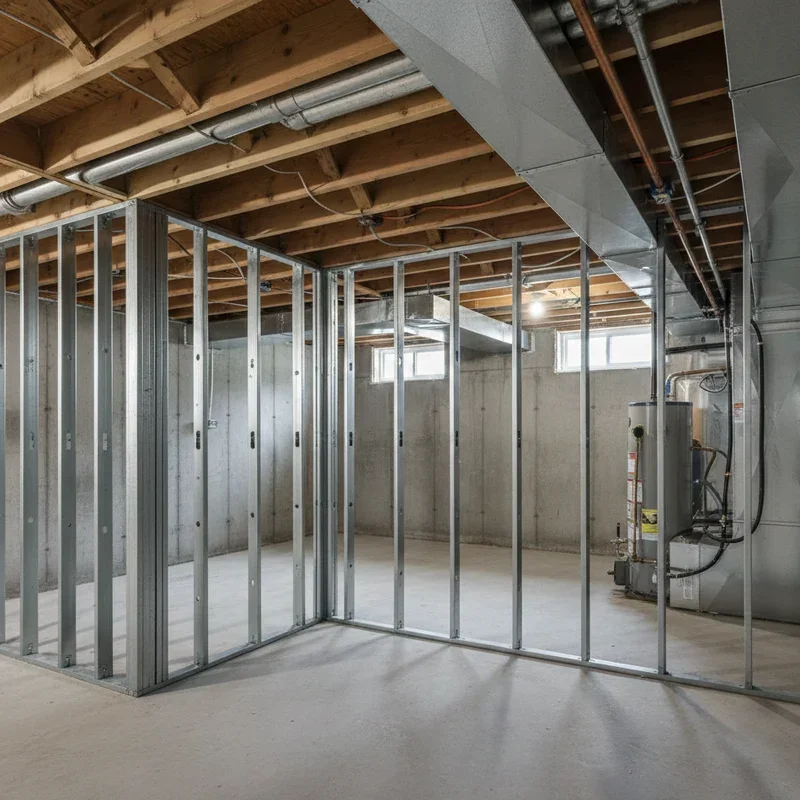
First things first, consider where your bar will live. Do you have a basement begging for a makeover? Maybe a spare corner in your living room that's collecting dust? Or perhaps you're thinking about an outdoor setup for those warm summer evenings? Location matters because it influences everything from the materials you'll choose to the overall design approach you'll take.
You'll also want to think about how you plan to use your bar. Are you a serious mixologist who needs room for all the gadgets and bottles? Or are you more of a casual entertainer who just wants a nice spot for friends to gather? Answering these questions early on will save you headaches later.
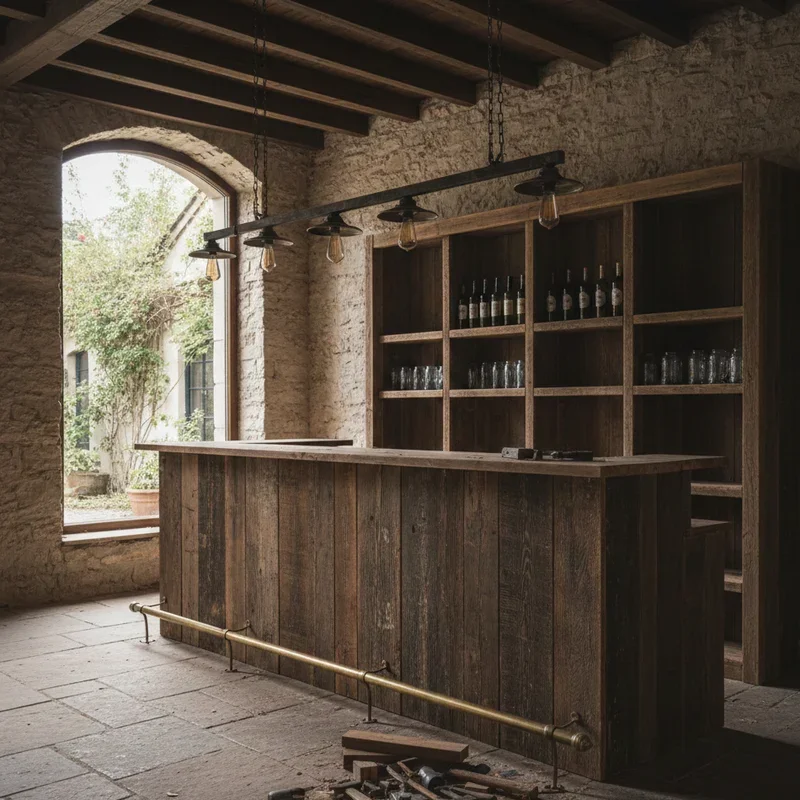
How to Build a Bar: Materials That Make All the Difference
When it comes to figuring out how to build a bar, materials are where the rubber meets the road. The choices you make here will determine not only how your bar looks but also how well it holds up over time.
Wood Options for Your Bar Frame and Surface
Wood remains the most popular choice for home bars, and it's easy to see why. It's versatile, relatively easy to work with, and can be finished in countless ways to match your style.
Hardwoods like oak, maple, and walnut are fantastic for bar tops because they're durable and gorgeous. Sure, they cost a bit more, but they'll handle spills, scratches, and heavy use like champions. If you're working with a tighter budget, pine or poplar can work nicely, especially if you plan to stain or paint them.
For the frame and structure, plywood is your friend. It's sturdy, affordable, and easy to cut into whatever shapes you need. Just make sure you're using cabinet-grade plywood if any of it will be visible in the finished product.
Countertop Materials Beyond Wood
While wood bar tops are classic, don't feel limited to timber alone. There's a whole world of countertop materials out there that can give your bar a distinctive look.
Granite and marble bring a touch of luxury that's hard to beat. They're incredibly durable and easy to clean, making them practical choices for high-use areas. The downside? They can be pricey and require professional installation.
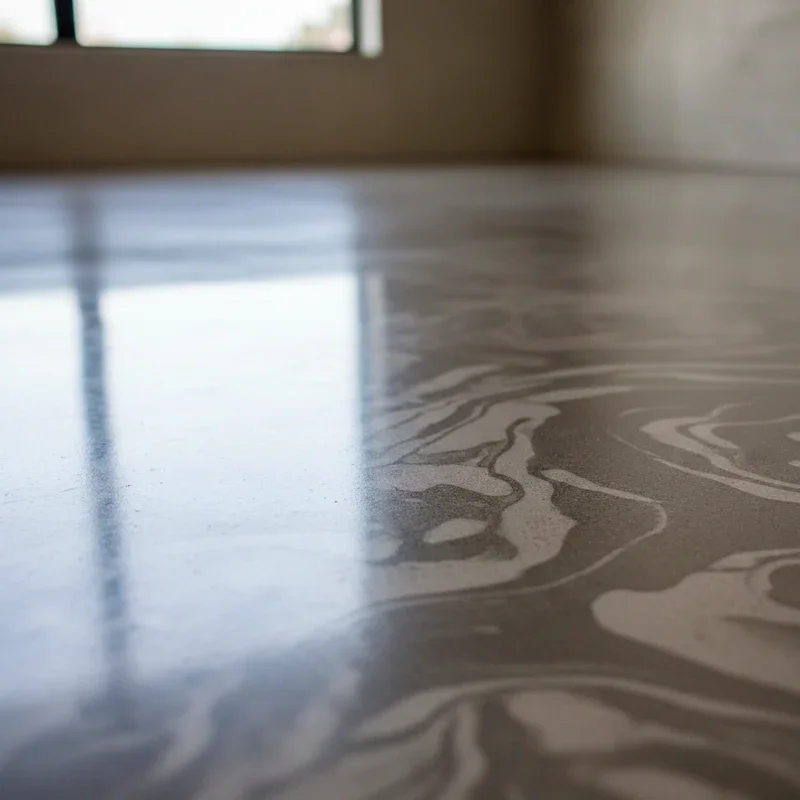
Concrete countertops have been gaining popularity lately, and for good reason. They can be customized with various colors and textures, giving you a truly unique surface. Plus, sealed properly, they hold up remarkably well against moisture and stains.
For something more budget-friendly, laminate offers tons of design options without breaking the bank. Modern laminates can mimic the look of wood, stone, or even metal, so you're not sacrificing style for savings.
Hardware and Finishing Touches
Don't overlook the smaller details because they add up. Bar foot rails, typically made from brass or stainless steel, add that authentic pub feel and give your guests somewhere to rest their feet. Drawer pulls, hinges, and other hardware should complement your overall design theme.
For finishes, polyurethane works great on wood surfaces, providing protection while letting the natural grain shine through. Bar top epoxy is another option that creates a thick, glossy, waterproof surface that's practically indestructible.
Planning Your Bar Layout Like a Pro
Getting the layout right is honestly half the battle when learning how to build a bar. A poorly planned bar will frustrate you every time you try to use it, no matter how pretty it looks.
Standard Bar Dimensions You Should Know
There are some tried-and-true measurements that'll help your bar function properly. Standard bar height runs about 42 inches from the floor, which is comfortable for standing guests and works well with bar-height stools.
The bar top itself should be at least 16 to 20 inches deep on the customer side, giving folks room to set down their drinks and lean comfortably. Behind the bar, you'll want at least 24 to 30 inches of work space to mix drinks and store supplies.
Speaking of behind the bar, don't forget about the bar rail or drink rail. This slightly raised edge around the perimeter of the bar top prevents spills from running onto the floor. A depth of about an inch and a half works perfectly.
Work Triangle Concept for Home Bars
Just like in kitchen design, the work triangle concept applies to bars too. Your three main zones should be easy to move between. These typically include your ice and beverage storage area, your mixing and preparation space, and your glassware storage.
Positioning these zones efficiently means you won't be running back and forth like crazy when you're playing bartender. Keep frequently used items within arm's reach and less common supplies tucked away but still accessible.
Storage Solutions That Actually Work
A great bar needs great storage, period. Think about what you'll need to keep on hand. Bottles, obviously, but also glasses of various types, bar tools, napkins, straws, and maybe a small fridge for cold beverages.
Open shelving displays your bottle collection beautifully and keeps everything visible. Closed cabinets hide the less photogenic stuff and reduce dust buildup on glasses. A combination of both usually works best.
Consider adding a wine rack if you're into vino, and don't forget about under-counter space for a mini fridge or kegerator if beer's your thing.
Design Tips to Elevate Your Home Bar
Now we're getting to the fun part. Design is where you get to let your personality shine through and create a space that feels uniquely yours.
Choosing a Theme That Speaks to You
Having a cohesive theme pulls everything together and makes your bar feel intentional rather than thrown together. Maybe you love the warm, cozy feel of an Irish pub with dark wood and copper accents. Or perhaps a tropical tiki bar with bamboo and bright colors is more your speed.
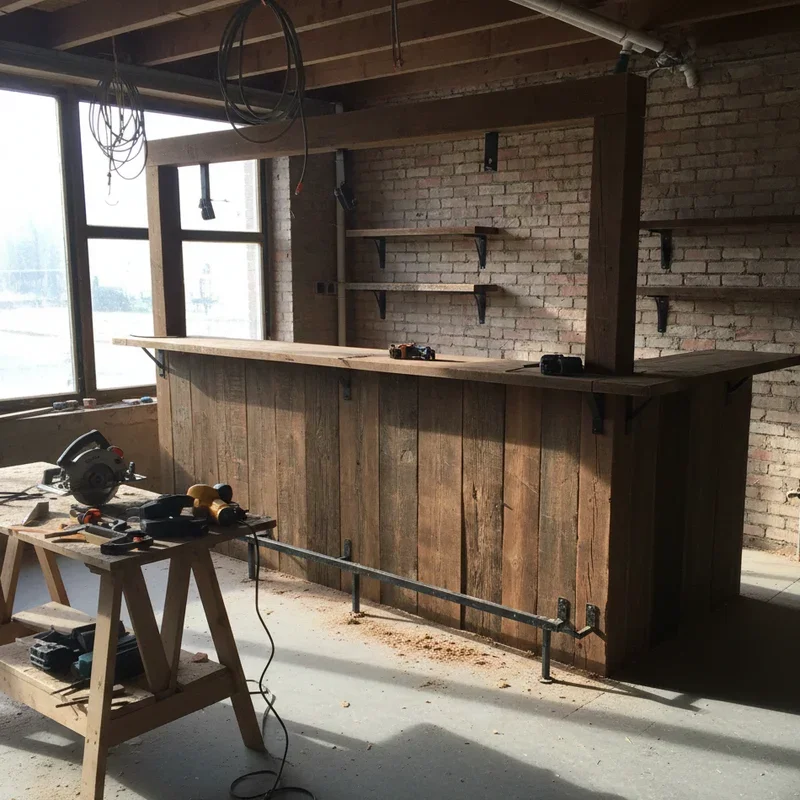
Mid-century modern bars are incredibly popular right now, featuring clean lines, warm woods, and retro touches. Industrial styles with metal and reclaimed wood also make a strong statement. Whatever direction you choose, commit to it and carry that theme through in your material and decor choices.
Lighting That Sets the Mood
Lighting can make or break the atmosphere of your bar. Harsh overhead lights? No thanks. Instead, aim for layered lighting that creates ambiance while still being functional enough to see what you're pouring.
Pendant lights over the bar look fantastic and provide focused task lighting. Under-cabinet LED strips illuminate your work surface without being too bright. And don't underestimate the power of dimmers to adjust the mood as the evening progresses.
Wall sconces add warmth and character, especially in rustic or traditional designs. And if you really want to go all out, backlit shelving makes your bottle collection glow like art.
Seating That Completes the Look
Bar stools are more than just places to park your guests. They're design elements that contribute to the overall aesthetic. Make sure whatever you choose fits comfortably at your bar height.
Swivel stools offer convenience and encourage conversation, while stationary options provide a more classic look. Consider materials that coordinate with your bar design. Metal stools work great in industrial spaces, while upholstered options add comfort and elegance.
Pro tip: leave about 26 to 30 inches between stool centers so people aren't bumping elbows.
How to Build a Bar: Materials, Layout, and Design Tips for Outdoor Spaces
Taking your bar outdoors opens up a whole new set of considerations. Weather resistance becomes paramount, but that doesn't mean you have to sacrifice style.
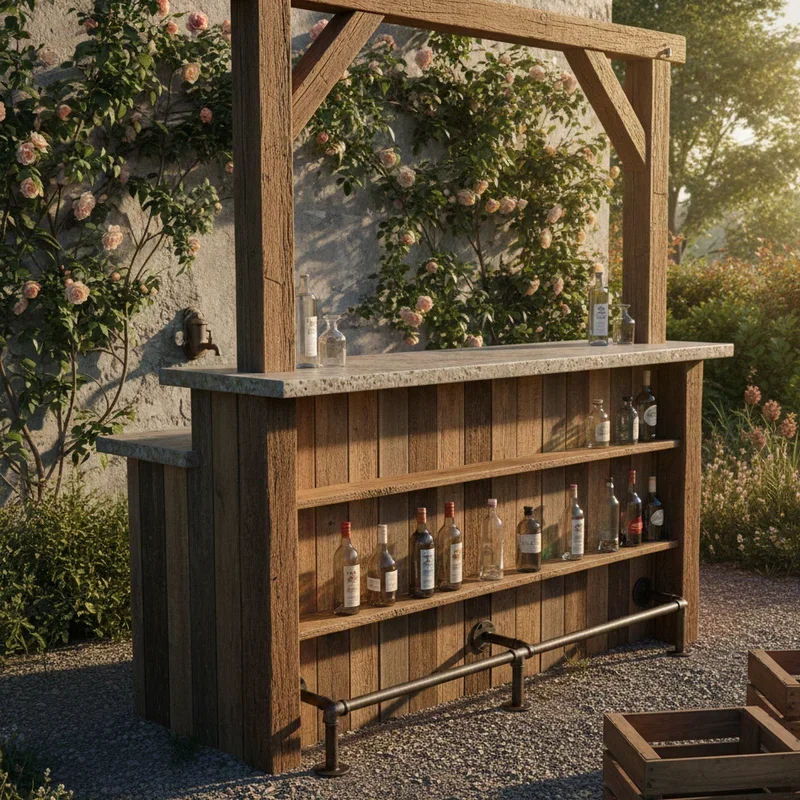
For outdoor bar construction, marine-grade plywood and pressure-treated lumber resist moisture and insects effectively. Stainless steel hardware won't rust, and outdoor-rated finishes protect wood from sun damage.
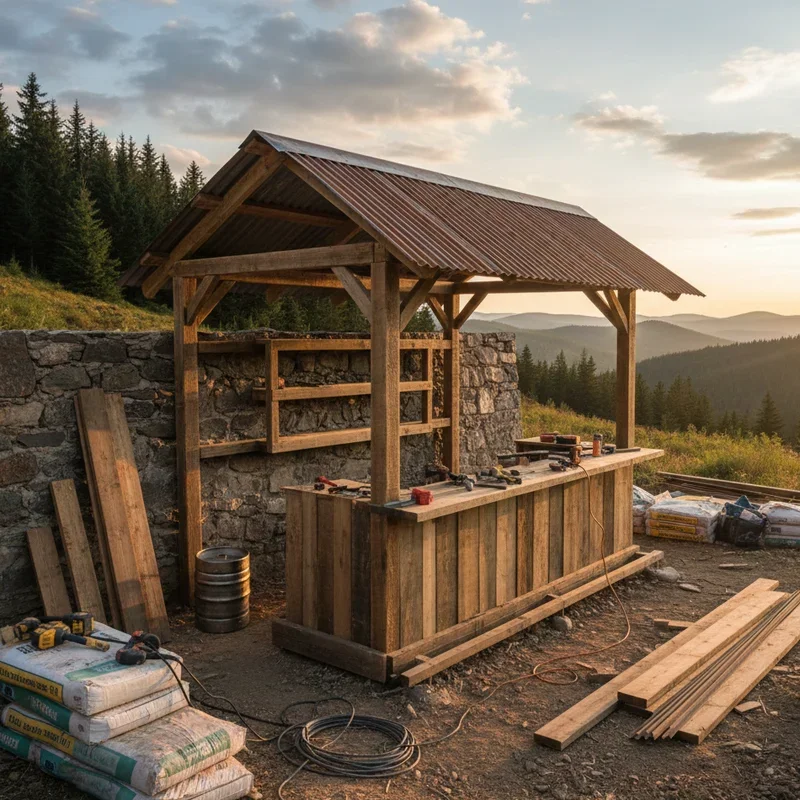
Covered patios or pergolas extend the usability of outdoor bars, sheltering them from rain while still allowing that open-air feeling. If full coverage isn't possible, consider materials like concrete or stone that can handle exposure to the elements.
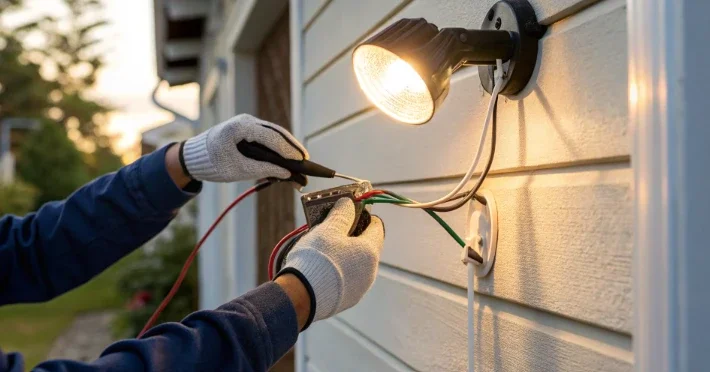
Don't forget about electrical considerations for outdoor bars. You'll likely want outlets for blenders or mini fridges, and outdoor-rated lighting is a must. Always work with a licensed electrician when running power to outdoor spaces.
Avoiding Common Mistakes
Even with the best intentions, it's easy to stumble when building a bar. Here are some pitfalls to watch out for:
Not leaving enough space behind the bar is a biggie. You need room to move comfortably, store supplies, and actually work. Cramped quarters will make tending bar a chore instead of a pleasure.
Skimping on the bar top finish leads to regret. Bars take a lot of abuse, and a proper protective coating is essential. Water rings and alcohol stains on an unprotected surface will drive you crazy.
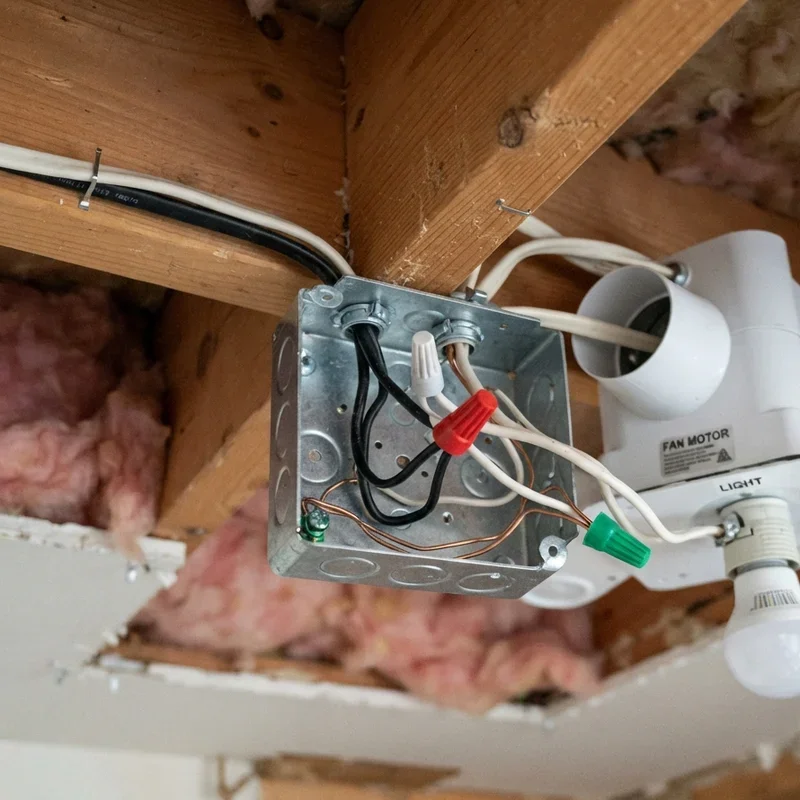
Forgetting about electrical outlets is another common oversight. Blenders, mini fridges, phone chargers, and decorative lighting all need power. Plan for more outlets than you think you'll need.
Finally, ignoring ventilation matters if your bar is enclosed. Cooking smells from a small kitchen area or cigar smoke can quickly become overwhelming without proper airflow.
Conclusion
Building your own bar is one of those projects that delivers satisfaction on so many levels. From the creative process of designing it to the hands-on work of construction and finally to the joy of using it with friends and family, it's an incredibly rewarding endeavor. By focusing on quality materials, thoughtful layout planning, and design choices that reflect your personal style, you'll create a space that serves you well for years to come. So grab those tools, trust your vision, and start building the bar you've always wanted.
Read next: How to Build a Wooden Gate: Materials, Plans, and Tips
Frequently Asked Questions
1. What is the ideal height for a home bar?
Standard home bars stand 42 inches tall, which accommodates both standing guests and bar stools comfortably.
2. How much does it cost to build a home bar?
DIY home bars typically range from 500 to 3000 dollars depending on materials and complexity chosen.
3. What wood is best for bar tops?
Hardwoods like oak, maple, and walnut offer durability and beauty that withstand heavy everyday use well.
4. Do I need permits to build a home bar?
Basic bars rarely require permits, but plumbing or electrical additions may need local approval first.
5. How deep should a bar top be?
Bar tops should measure 16 to 20 inches deep on the guest side for comfortable use.
Stay up to date with our latest ideas!