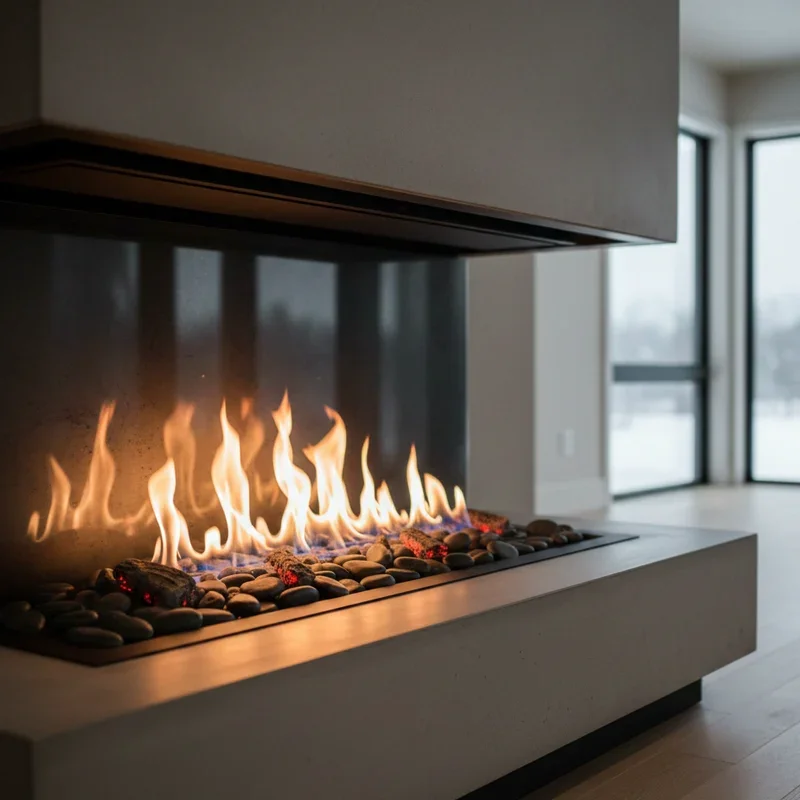
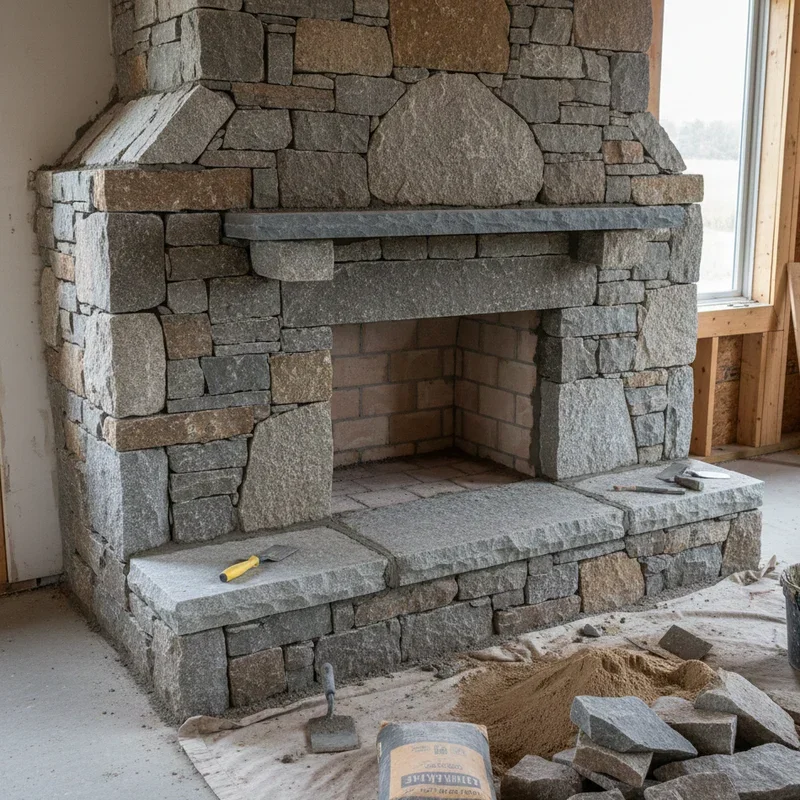
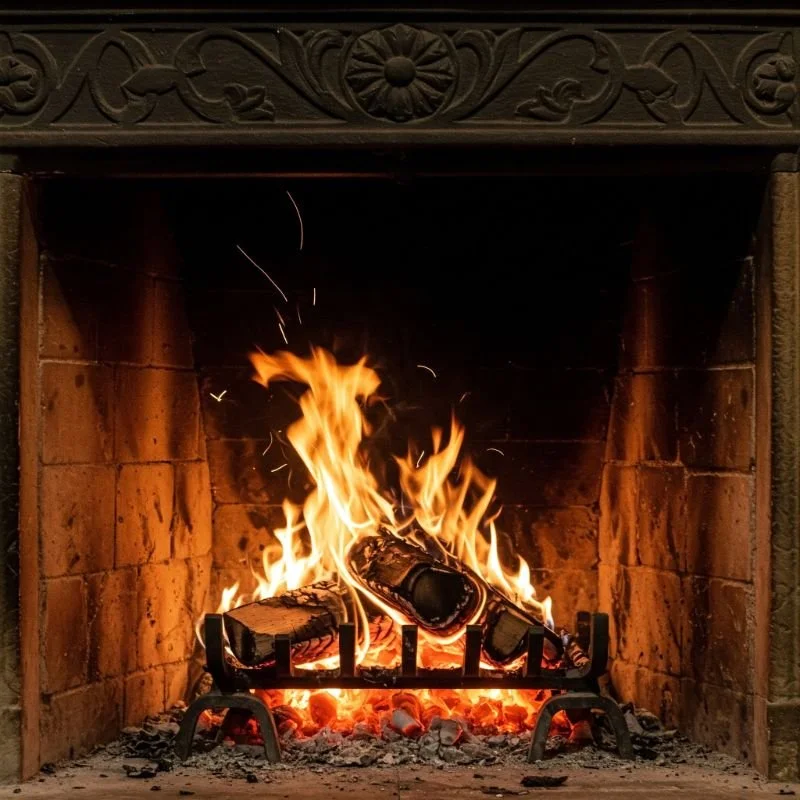
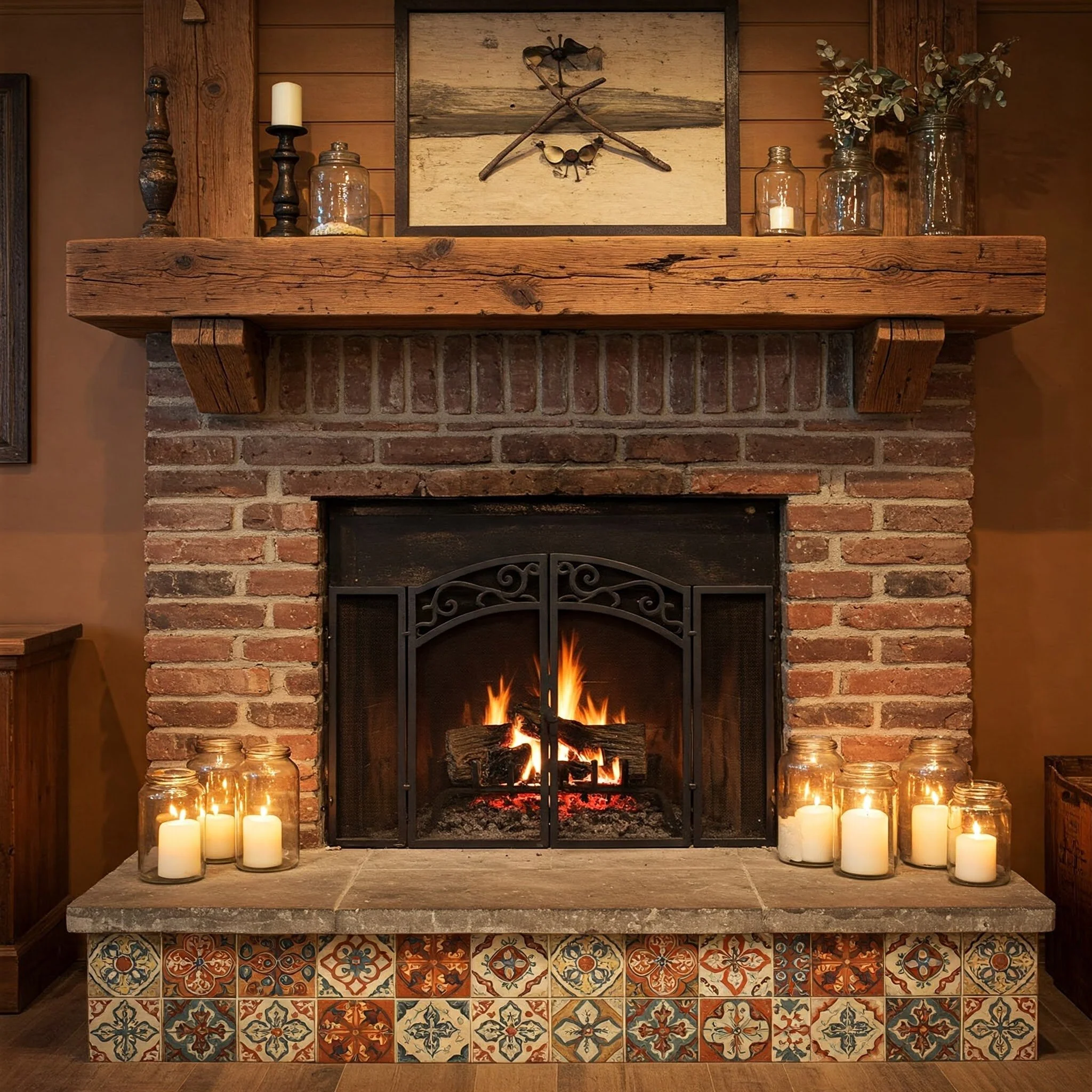
How to Light Gas Fireplace Safely: Step-by-Step Guide
Master how to light gas fireplace safely with our step-by-step guide. Learn proper techniques for all ignition types today.
There's nothing quite like the warm glow of a fireplace on a chilly evening. The dancing flames, the cozy ambiance, and that wonderful warmth spreading through your living room create an atmosphere that's simply unbeatable. But here's the thing. If you've recently moved into a home with a gas fireplace or just haven't used yours in a while, the thought of lighting it might feel a bit intimidating. And honestly, that's completely understandable. We're talking about gas here, and nobody wants to mess around with something that could potentially go wrong. The good news? Gas fireplaces are actually designed with multiple safety features that make them quite user-friendly once you know what you're doing. Gone are the days of hauling firewood, dealing with ash cleanup, and worrying about sparks flying onto your carpet. Gas fireplaces offer convenience that traditional wood-burning models simply can't match. Push a button, flip a switch, or turn a key, and voila. Instant fire without the fuss. But convenience doesn't mean you should skip learning the proper procedures. Understanding how to light gas fireplace safely isn't just about getting flames going. It's about protecting your home, your family, and yourself from potential hazards. Whether you've got a standing pilot system, an electronic ignition, or a simple match-lit model, this comprehensive guide will walk you through everything you need to know. So settle in, grab a cup of something warm, and let's make sure you're fully equipped to enjoy your gas fireplace with complete confidence.
Understanding Your Gas Fireplace Type
Before striking any matches or pushing any buttons, you've got to know what you're working with. Gas fireplaces come in several varieties, and each one has its own ignition method. Getting familiar with your specific model makes all the difference.
Standing Pilot Light Systems
These are the old-school workhorses of the gas fireplace world. A standing pilot system maintains a small flame burning continuously, ready to ignite the main burner whenever you want heat. Think of it like a tiny torch that's always on duty, waiting for action.
The pilot light stays lit all the time, which means your fireplace is essentially always ready to go. The trade-off? You're using a small amount of gas constantly, even during summer months when the fireplace sits unused. Many homeowners turn off the pilot during warmer seasons to save on gas bills.
Electronic Ignition Systems
Welcome to the modern age. Electronic ignition fireplaces don't maintain a constant pilot flame. Instead, they use an electric spark or hot surface igniter to light the pilot only when you want to use the fireplace. More energy efficient, these systems have become increasingly popular in newer installations.
There are two main types within this category. Intermittent pilot ignition creates a spark that lights a pilot flame, which then ignites the main burner. Direct ignition skips the pilot altogether and lights the main burner directly.
Match-Lit or Manual Systems
Sometimes simple is best. Match-lit fireplaces require you to manually light the burner using a long fireplace match or lighter. These systems are straightforward but require more hands-on involvement than their automated cousins.
You'll find match-lit systems in older installations and some decorative units. They lack the convenience of automatic ignition but are typically more affordable and have fewer components that can malfunction.
Safety Precautions Before Lighting
Let's pump the brakes for a moment and talk safety. Rushing through the lighting process without proper precautions is asking for trouble. A few minutes of preparation can prevent serious problems down the road.
Inspect the Fireplace Area
Take a good look around your fireplace before doing anything else. Make sure nothing flammable is sitting too close to the unit. Holiday decorations, blankets draped over furniture, magazines on nearby tables, and curtains within range all pose potential fire hazards.
Check inside the firebox for any debris that might have accumulated. Birds occasionally build nests in chimneys, leaves can blow in, and various critters sometimes take up residence in unused fireplaces. Anything blocking proper ventilation needs to go before you strike that first flame.
Check for Gas Leaks
Your nose is your first line of defense here. Natural gas has that distinctive rotten egg smell added specifically so you can detect leaks. If you smell gas near your fireplace, do not attempt to light it under any circumstances.
Instead, leave the area immediately, avoid touching any electrical switches, and call your gas company or emergency services from outside the home. Gas leaks are serious business and require professional attention.
Ensure Proper Ventilation
Gas fireplaces need adequate ventilation to operate safely. If your model has a flue or damper, make sure it's open before lighting. Trapped combustion gases create carbon monoxide, which is odorless, colorless, and extremely dangerous.
Even direct vent fireplaces that draw outside air for combustion need clear venting pathways. Check that exterior vent covers aren't blocked by snow, debris, or wayward landscaping.
Verify Carbon Monoxide Detectors
Speaking of carbon monoxide, now's a great time to check that your CO detectors are working properly. Press the test button on each unit and confirm you get the expected response. Replace batteries if it's been a while.
Having functioning carbon monoxide detectors throughout your home provides essential peace of mind when operating any gas appliance. They're your silent guardians against an invisible threat.
How to Light Gas Fireplace Safely: Step-by-Step Guide for Standing Pilot Systems
Alright, let's get down to business. If you've got a standing pilot system, here's exactly how to get that flame going safely.
Locate the Control Panel
Most gas fireplaces have their control components hidden behind a decorative panel at the bottom of the unit. Look for a removable cover, often held in place by clips or a simple pull mechanism. Behind this panel, you'll find the gas valve, pilot light assembly, and control knob.
The control knob typically has three positions: off, pilot, and on. Some models mark these positions while others use symbols. Familiarize yourself with your specific setup before proceeding.
Turn Off and Wait
Start with the control knob in the off position. This is crucial. You need to let any accumulated gas dissipate before attempting ignition. Wait a full five minutes with the gas off.
Yes, five minutes feels like forever when you're eager for warmth, but patience here prevents potential flashback or minor explosions from gas buildup. Use this time to double-check your surroundings and make sure everything is ready.
Ignite the Pilot Light
After your five-minute wait, turn the control knob to the pilot position. Press the knob inward and hold it down. This action opens the pilot gas line while keeping the main burner gas shut off.
While holding the knob down, press the igniter button repeatedly until you see a small flame appear at the pilot assembly. If your model doesn't have an igniter button, you'll need to use a long fireplace match or lighter to ignite the pilot manually. Never use a regular short match or lighter that puts your hand close to the gas outlet.
Hold and Verify
Keep that knob pressed in for about thirty seconds after the pilot ignites. This heating period allows the thermocouple, a safety device near the pilot flame, to warm up sufficiently. The thermocouple must sense heat to allow gas flow to continue once you release the knob.
After thirty seconds, slowly release the knob. The pilot should remain lit. If it goes out, wait another five minutes and repeat the process. Sometimes thermocouples need a longer heating period, especially in cold conditions.
Turn to On Position
With your pilot flame burning steadily, turn the control knob from pilot to the on position. You should hear the main burner ignite with a satisfying whoosh as flames spread across the burner assembly.
Congratulations. You've successfully lit your gas fireplace. Replace the control panel cover and enjoy your cozy fire.
How to Light Gas Fireplace Safely: Step-by-Step Guide for Electronic Ignition
Electronic systems simplify the process considerably, but you still need to follow proper procedures.
Locate Your Controls
Electronic ignition fireplaces typically have a wall switch, remote control, or control panel mounted on the unit. Some high-end models even integrate with smart home systems for voice or app control.
Find your specific control method and make sure any batteries in remotes are fresh. There's nothing more frustrating than a dead remote when you're ready for fire.
Flip the Switch or Press Start
With electronic systems, it really can be this simple. Turn on your wall switch or press the ignition button on your remote or control panel. The system handles the rest automatically.
You'll hear a clicking sound as the electronic igniter creates sparks. Within seconds, the pilot should light, followed quickly by the main burner ignition. The whole process typically takes under a minute.
Troubleshooting Electronic Ignition
If nothing happens when you engage the controls, check a few things. First, verify that your gas supply valve is open. This valve is usually located near the fireplace or at your gas meter.
Next, check any circuit breakers associated with the fireplace. Electronic ignition systems need electricity to function, so a tripped breaker stops everything dead. Some models also have battery backup systems that might need fresh batteries.
If clicking sounds occur but flames don't appear, the igniter might be dirty or misaligned. This situation typically requires professional service unless you're comfortable working with gas appliances.
Lighting Match-Lit Gas Fireplaces
Old school but effective. Here's how to handle manual ignition systems safely.
Prepare Your Lighting Tool
Grab a long fireplace match or extended butane lighter. These tools keep your hands well away from the gas outlet during ignition. Never attempt to light a gas fireplace with short matches or regular lighters that put your fingers in the danger zone.
Have your lighting tool ready before opening any gas valves. You want quick ignition once gas starts flowing.
Open the Gas Valve
Locate the gas shutoff valve and turn it to the open position. Some match-lit systems have a valve with a key that inserts into a floor or wall plate. Others use a traditional handle valve.
Open the valve slowly, only partway initially. You should hear a faint hissing sound as gas begins flowing to the burner.
Ignite Immediately
Bring your lit match or lighter to the burner immediately after opening the gas valve. Don't let gas accumulate. The goal is ignition within seconds of gas flow beginning.
Touch the flame to the burner ports near the gas inlet. Flames should spread across the burner quickly. Once ignition occurs, you can open the gas valve fully to achieve your desired flame height.
Adjust and Enjoy
Many match-lit systems allow flame height adjustment by varying how far you open the gas valve. Find a comfortable flame level that provides adequate warmth without excessive heat output.
When finished using the fireplace, close the gas valve completely. Don't leave gas flowing to an unlit burner under any circumstances.
Maintaining Your Gas Fireplace
Proper maintenance keeps your fireplace safe and efficient season after season.
Annual Professional Inspection
Schedule a yearly inspection with a qualified technician. They'll check gas connections, clean burner components, verify venting systems, and ensure all safety devices function properly. This annual checkup catches small problems before they become dangerous or expensive.
Regular Cleaning
Keep the glass front clean using appropriate fireplace glass cleaner. Avoid abrasive materials that could scratch the surface. Dirty glass doesn't just look bad. It can actually trap heat and stress the glass over time.
Vacuum around the fireplace exterior to prevent dust and debris from entering the unit. Keep air intake and exhaust vents clear of obstructions year-round.
Seasonal Pilot Light Management
Consider turning off your pilot light during months when you won't use the fireplace. This saves gas and reduces wear on ignition components. Just remember you'll need to relight the pilot when cooler weather returns.
If you keep the pilot lit year-round, check it monthly to ensure it's burning properly. A healthy pilot flame should be mostly blue with a small yellow tip. Weak, yellow, or flickering pilots need professional attention.
Common Problems and Solutions
Even well-maintained fireplaces occasionally act up. Here's how to handle common issues.
Pilot Won't Stay Lit
The thermocouple is usually the culprit here. This safety device might be dirty, misaligned, or simply worn out. Try holding the pilot knob longer during ignition to give the thermocouple more heating time. If problems persist, replacement is relatively inexpensive.
Main Burner Won't Ignite
Check that your pilot flame is actually reaching the thermocouple and main burner ignition area. A weak or misaligned pilot might light but fail to trigger main burner ignition. Cleaning the pilot assembly often resolves this issue.
Unusual Odors
Some odor is normal when first lighting a fireplace that's been off for a while. Dust burning off typically creates a brief smell that dissipates quickly. However, persistent strong odors or gas smells indicate problems requiring immediate attention.
Conclusion
Learning how to light gas fireplace safely transforms an intimidating appliance into a reliable source of comfort and ambiance. Whether working with standing pilots, electronic ignition, or match-lit systems, following proper procedures protects your household while ensuring years of enjoyment. Regular maintenance and annual inspections keep everything running smoothly and safely. Now that you've mastered the basics, go ahead and create those cozy evenings you've been dreaming about.
Read next: How to Build a Fireplace for a Warm, Cozy Home
Frequently Asked Questions
1.How often should I have my gas fireplace professionally inspected?
Schedule professional inspection annually before heating season to ensure safe and efficient operation.
2.Is it safe to leave a gas fireplace running overnight?
Most manufacturers advise against overnight operation due to carbon monoxide risks and safety concerns.
3.Why does my gas fireplace smell when first turned on?
Dust accumulation burning off causes temporary odors that typically disappear within fifteen minutes of operation.
4.Can I convert my wood fireplace to gas?
Yes, professional installers can add gas inserts or log sets to most existing wood fireplace setups.
5.What should I do if I smell gas near my fireplace?
Leave immediately without touching switches and call your gas company from outside the home.
Stay up to date with our latest ideas!