How to Get Rid of Ants in Bathroom: Causes and Fixes
Discover how to get rid of ants in bathroom with proven causes and fixes. Learn simple DIY solutions to eliminate ant infestations fast.
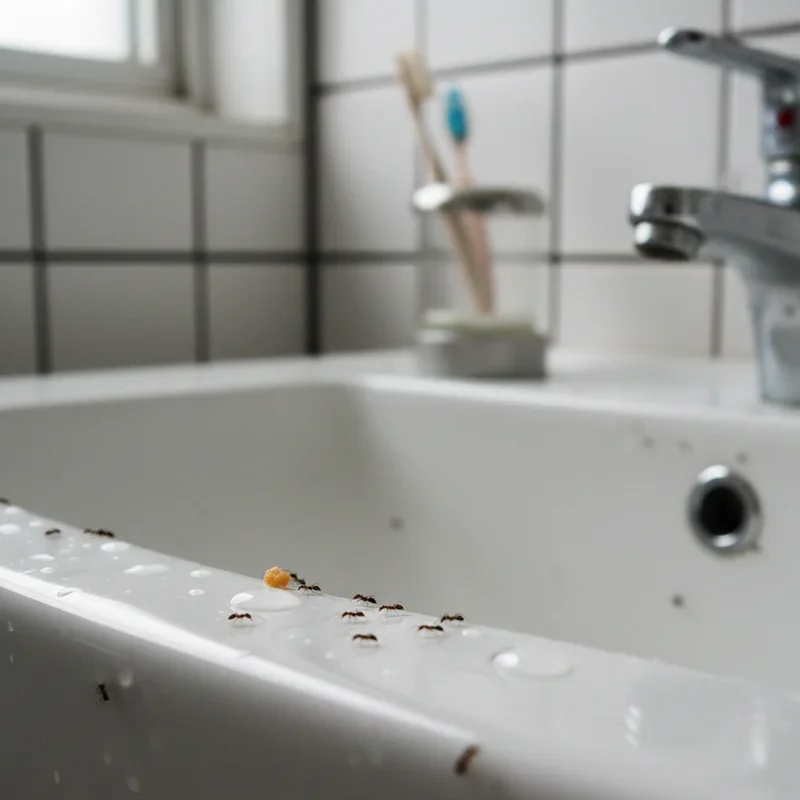
So, you have walked into your bathroom and spotted a trail of tiny invaders marching across your floor. Frustrating, right? Well, you are certainly not alone in this battle. Ants in the bathroom are one of the most common household nuisances that homeowners face, and honestly, they can drive anyone up the wall.
Here is the thing about these persistent little creatures. They are not just randomly showing up in your bathroom for a casual visit. There is always a reason behind their sudden appearance, and understanding that reason is half the battle won. Whether they are hunting for moisture, seeking food particles, or building a cozy nest somewhere in your walls, these uninvited guests have a purpose.
In this comprehensive guide on how to get rid of ants in bathroom: causes and fixes, we will dive deep into everything you need to know. From identifying why these critters have chosen your bathroom as their favorite hangout spot to implementing effective solutions that will send them packing for good. Stick around, because by the end of this article, you will be armed with all the knowledge you need to reclaim your bathroom sanctuary.
Why Are Ants Attracted to Your Bathroom in the First Place?
Before we jump into solutions, let us figure out what is drawing these tiny trespassers to your bathroom. Understanding the root cause will help you tackle the problem more effectively and prevent future invasions.
Moisture and Water Sources
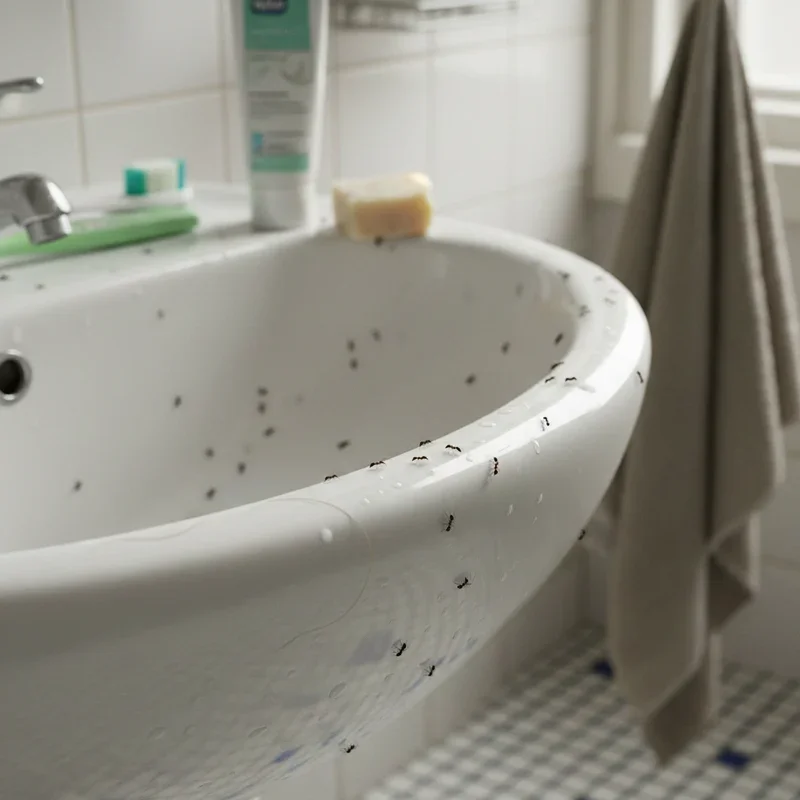
Bathrooms are basically paradise for ants, and moisture is the main attraction. Think about it for a second. Your bathroom has sinks, toilets, showers, and tubs. All of these create a humid environment that ants absolutely love. Leaky pipes, dripping faucets, and even condensation on cold surfaces provide the water supply that ant colonies desperately need to survive.
Carpenter ants, in particular, are suckers for damp wood. If you have got any water damage or rotting wood around your bathroom, you are practically rolling out the red carpet for them.
Food Particles and Residue
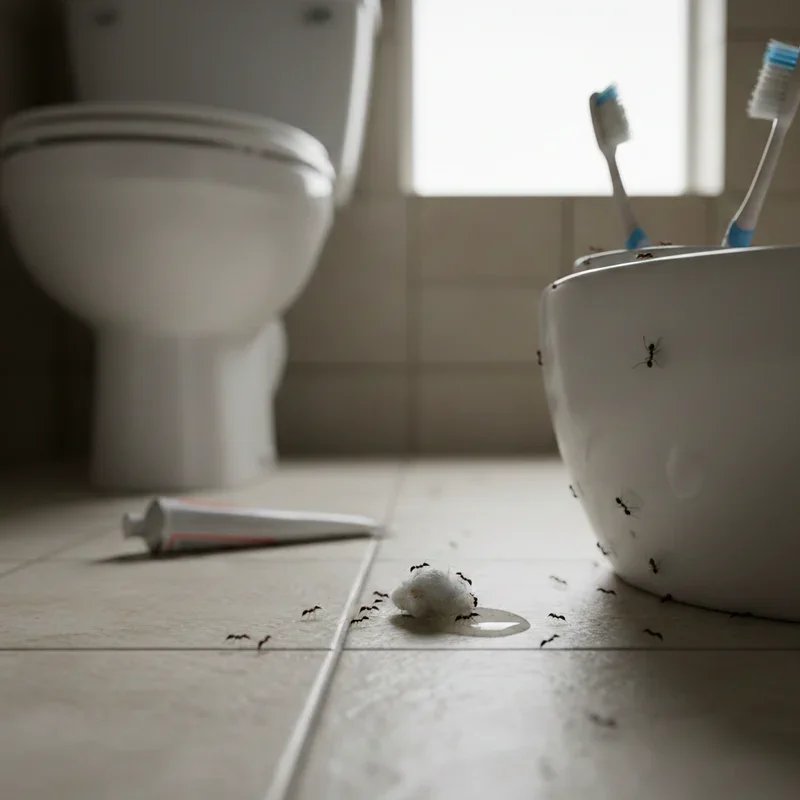
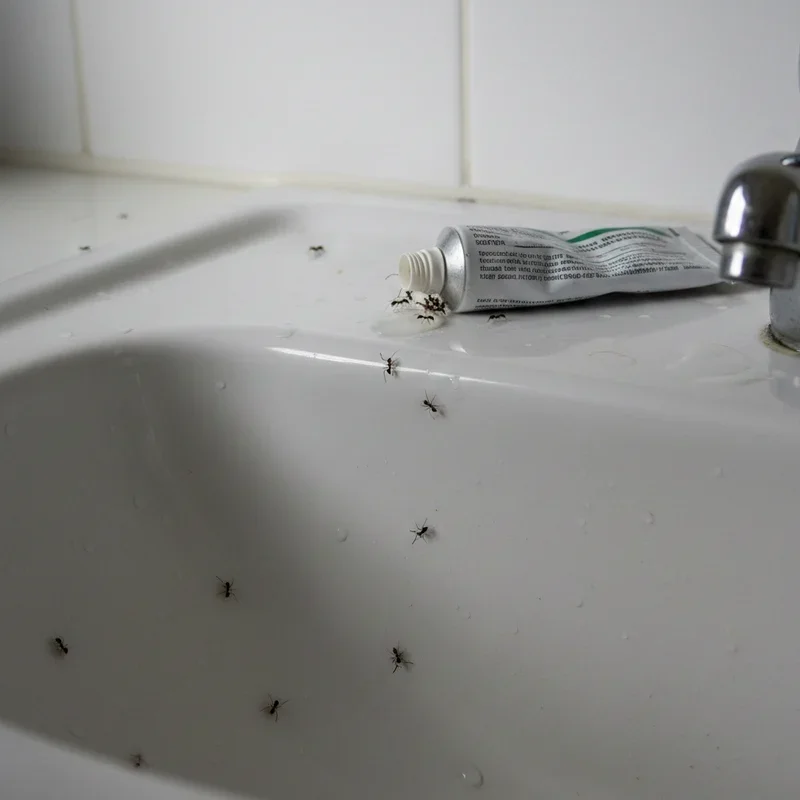
Now, you might be thinking, "But I do not eat in my bathroom!" Fair point. However, ants are not picky eaters, and what they consider food might surprise you. Toothpaste residue, soap scum, dead skin cells, and even hair can serve as a feast for certain ant species. That tiny glob of toothpaste you missed while cleaning? It is a five-star meal for these opportunistic foragers.
Easy Access Points
Ants are incredibly resourceful when it comes to finding their way inside. Cracks in the foundation, gaps around pipes, worn-out caulking, and even tiny openings around electrical outlets can serve as welcome mats. Your bathroom plumbing provides a highway system that ants use to travel throughout your home undetected.
Nesting Opportunities
Some ants do not just visit your bathroom. They move in permanently. Wall voids, spaces beneath floor tiles, and areas around plumbing fixtures offer perfect nesting sites. Pharaoh ants and Argentine ants are notorious for establishing colonies inside bathroom walls where warmth and moisture create ideal living conditions.
Common Types of Ants Found in Bathrooms
Not all ants are created equal, and knowing what type you are dealing with can help you choose the most effective elimination strategy.
Carpenter Ants
These big fellas are the ones you really need to worry about. Carpenter ants do not eat wood, but they tunnel through it to build their nests. If you are seeing large black or reddish-black ants in your bathroom, especially near wooden structures, you might have a carpenter ant problem that requires immediate attention.
Pharaoh Ants
Tiny and light-colored, pharaoh ants love warm, humid environments. They are particularly common in bathrooms and can be incredibly difficult to eliminate because they form multiple colonies. These little troublemakers are attracted to moisture and can squeeze through the tiniest cracks.
Odorous House Ants
When you crush these ants, they release a smell similar to rotten coconut. Pleasant, right? They are attracted to moisture and sweet substances, making bathrooms with residue buildup very appealing to them.
Argentine Ants
These ants form massive supercolonies and are relentless in their pursuit of water. If you have got Argentine ants, you will likely see long trails leading to and from water sources in your bathroom.
How to Get Rid of Ants in Bathroom: Causes and Fixes You Can Try Today
Alright, now we are getting to the good stuff. Let us explore the various methods you can use to eliminate these bathroom invaders once and for all.
Identify and Seal Entry Points
First things first, you need to find out how these ants are getting inside. Grab a flashlight and inspect your bathroom thoroughly. Look around baseboards, near pipes, around windows, and anywhere you see ant activity. Once you have identified potential entry points, seal them up with caulk or weatherstripping. This simple step can make a world of difference.
Fix Water Leaks and Reduce Moisture
Remember how we talked about moisture being a major attractant? Time to cut off their water supply. Check under sinks, around toilets, and near shower fixtures for any leaks. Even a slow drip can sustain an entire ant colony. Fix those leaks pronto, and consider using a bathroom exhaust fan to reduce humidity levels.
Deep Clean Your Bathroom
A spotless bathroom is far less appealing to ants. Give your bathroom a thorough scrub down, paying special attention to areas where residue might accumulate. Clean around the base of your toilet, scrub tile grout, wipe down countertops, and do not forget about those hard-to-reach spots behind the toilet and under the vanity.
Natural Remedies That Work
If you prefer going the natural route, you have got plenty of options. White vinegar mixed with water creates an effective spray that disrupts ant pheromone trails. Ants use these invisible chemical highways to communicate, so erasing them confuses the colony. Spray this solution along ant trails and around entry points daily.
Essential oils like peppermint, tea tree, and lemon are natural ant deterrents. Mix a few drops with water in a spray bottle and apply it to problem areas. The strong scent repels ants while leaving your bathroom smelling fresh.
Diatomaceous earth is another fantastic natural option. This fine powder is made from fossilized algae and works by damaging the ants' exoskeletons, causing them to dehydrate. Sprinkle it around baseboards, under sinks, and anywhere you have spotted ant activity. Just make sure you are using food-grade diatomaceous earth.
Commercial Ant Baits and Traps
When natural methods are not cutting it, commercial products can provide more firepower. Ant baits work by attracting foraging ants who then carry the poison back to their colony, eventually eliminating the queen and the entire nest. Place bait stations along ant trails and near entry points.
Gel baits can be applied in cracks and crevices where ants travel. These are particularly effective because they reach areas where traditional traps cannot go.
Borax Solutions
Borax mixed with sugar creates a deadly combination that ants cannot resist. The sugar attracts them while the borax acts as a slow-acting poison. Mix equal parts borax and sugar with enough water to create a paste, then place small amounts near ant trails. Be cautious with this method if you have pets or small children, as borax can be harmful if ingested.
Professional Pest Control
Sometimes, despite your best efforts, the infestation proves too stubborn to handle on your own. Professional exterminators have access to stronger treatments and the expertise to locate hidden nests. If you have tried multiple methods without success, or if you suspect carpenter ants are damaging your home's structure, calling in the pros is money well spent.
Preventing Future Ant Invasions
Getting rid of ants is one thing, but keeping them away is another challenge entirely. Here are some preventive measures to keep your bathroom ant-free long term.
Maintain Regular Cleaning Habits
Consistency is key when it comes to ant prevention. Wipe down surfaces regularly, clean up any spills immediately, and do not let moisture accumulate. A quick daily wipe down can prevent ant problems before they start.
Address Moisture Issues Promptly
Do not procrastinate when it comes to plumbing repairs. That slow leak under your sink might seem like a minor inconvenience, but it is an open invitation for ants. Fix issues as soon as you notice them.
Keep Drains Clean
Organic matter buildup in drains can attract ants looking for food and moisture. Use a drain cleaner monthly to prevent buildup, and consider pouring boiling water down drains weekly to discourage ant activity.
Inspect Regularly
Make it a habit to inspect your bathroom for signs of ant activity periodically. Catching a problem early makes it much easier to address before it becomes a full-blown infestation.
Store Products Properly
Keep toiletries in sealed containers when possible, and wipe down bottles that might have residue on them. Even something as simple as a sticky shampoo bottle can attract hungry ants.
When to Worry About Structural Damage
While most bathroom ant problems are simply annoying, some situations warrant genuine concern. Carpenter ants can cause significant structural damage if left unchecked. Watch for these warning signs that suggest a more serious problem.
Sawdust-like material near wooden structures could indicate carpenter ant activity. These ants excavate wood to create their nests, leaving behind telltale debris called frass.
Hollow-sounding wood when you tap on it might mean carpenter ants have been busy tunneling inside. This is especially concerning around window frames, door frames, and any wood that has been exposed to moisture.
Visible damage to wooden structures, including small holes or tunnels, requires immediate professional attention. The longer you wait, the more extensive and expensive the damage becomes.
Conclusion
Dealing with ants in your bathroom does not have to be an endless battle. By understanding how to get rid of ants in bathroom: causes and fixes, you can tackle this common problem effectively. Remember to identify and eliminate moisture sources, seal entry points, maintain cleanliness, and use appropriate elimination methods. With persistence and the right approach, you will have your bathroom back to its ant-free state in no time. Stay vigilant with preventive measures to keep those tiny invaders from making a comeback.
Read next: 15 Essential Bathroom Renovation Ideas on a Budget
Frequently Asked Questions
1. Why do ants suddenly appear in my bathroom?
Ants are attracted to moisture, water leaks, and organic residue commonly found in bathrooms.
2. Are bathroom ants dangerous to my health?
Most bathroom ants are harmless nuisances but can contaminate surfaces and spread bacteria.
3. How long does it take to eliminate a bathroom ant infestation?
Complete elimination typically takes one to three weeks depending on colony size and methods.
4. Can I use bleach to kill bathroom ants?
Bleach kills ants on contact but does not eliminate colonies or prevent future infestations.
5. Should I call an exterminator for bathroom ants?
Professional help is recommended for persistent infestations or suspected carpenter ant damage.
Stay up to date with our latest ideas!