How to Use a Convection Microwave Step by Step
Learn how to use a convection microwave step by step with easy tips, cooking modes, settings, and pro tricks for perfect meals every time.
Ever stared at your convection microwave and felt completely lost? You're definitely not alone. These nifty appliances pack a serious punch, combining the speed of a microwave with the browning power of a traditional oven. But here's the thing. If you don't know what you're doing, all those fancy buttons and settings can feel downright intimidating.
The truth is, once you get the hang of it, a convection microwave becomes your kitchen's best friend. Think crispy roast chicken, golden brown cookies, and evenly reheated leftovers, all from one compact machine. It's kind of like having a personal chef, minus the hefty paycheck.
In this guide, we're going to walk through everything you need to know about using a convection microwave. From understanding the basics to mastering advanced cooking techniques, we've got you covered. Whether you just unboxed your first unit or you've had one gathering dust for years, this article will turn you into a convection microwave pro. So grab a snack, settle in, and let's get cooking.
What Exactly Is a Convection Microwave?
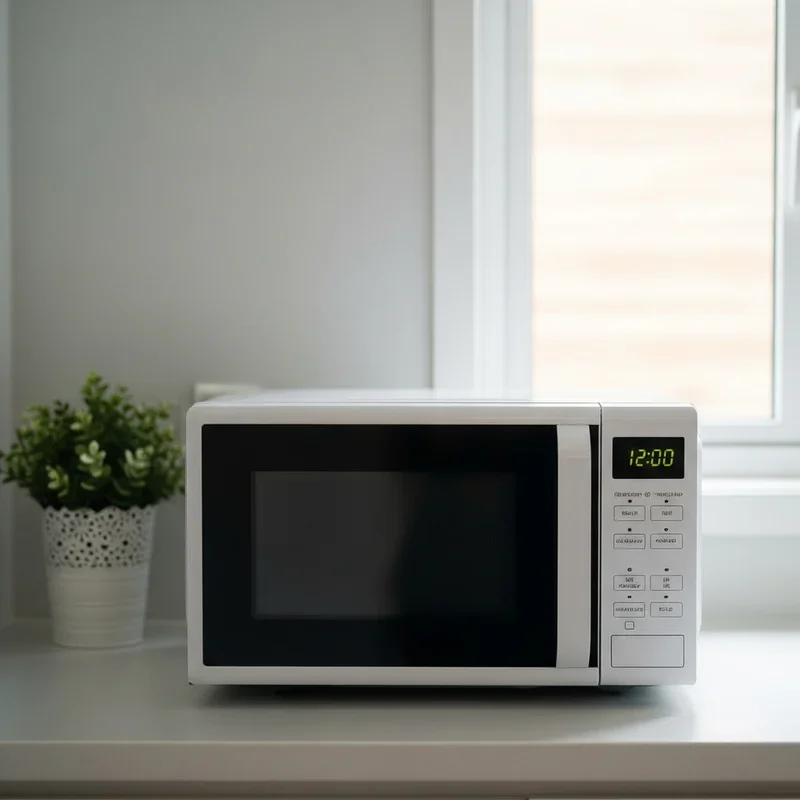
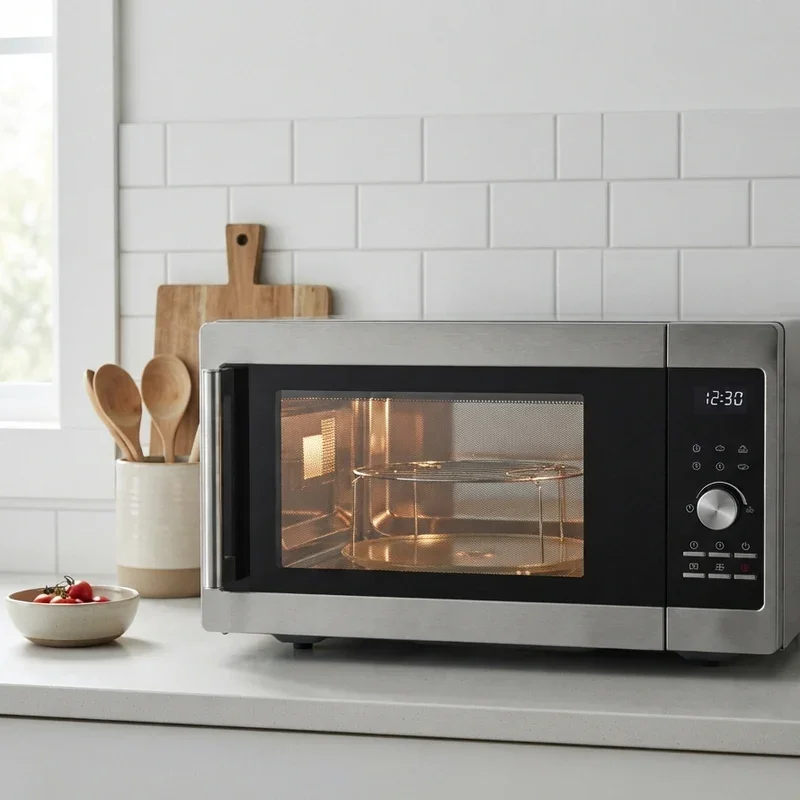
Before we dive into the nitty-gritty of using one, let's clear up what a convection microwave actually is. Simply put, it's a hybrid appliance that combines two cooking methods into one machine. On one hand, you've got your standard microwave function, which uses electromagnetic waves to heat food quickly. On the other, you've got convection cooking, which uses a heating element and a fan to circulate hot air around your food.
This means you can zap a bowl of soup in minutes, but you can also bake a batch of muffins that come out golden and fluffy. Pretty cool, right? The best part is you can even combine both modes to speed up cooking while still getting that beautiful browning effect. It's like having your cake and eating it too, literally.
Getting to Know Your Convection Microwave
Alright, before you start pushing buttons willy-nilly, take a moment to familiarize yourself with your machine. Every brand has its quirks, and honestly, no two models are exactly alike. Pull out that user manual you probably tossed in a drawer and give it a quick read. I know, I know, reading manuals is about as fun as watching paint dry, but trust me on this one.
Key Components to Identify
Here are the main parts you should get comfortable with.
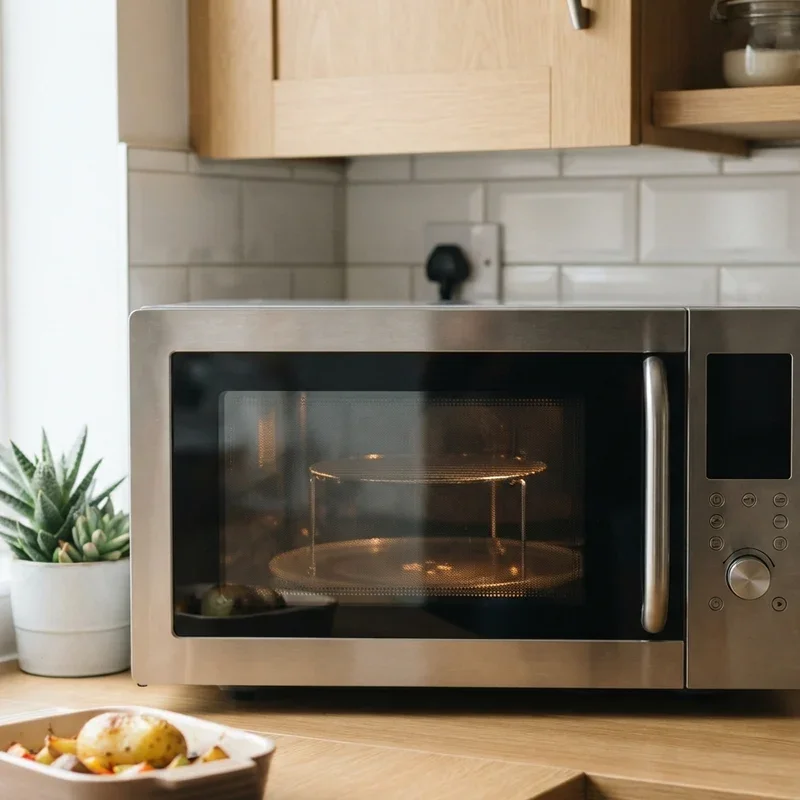
The turntable, which rotates your food for even cooking.
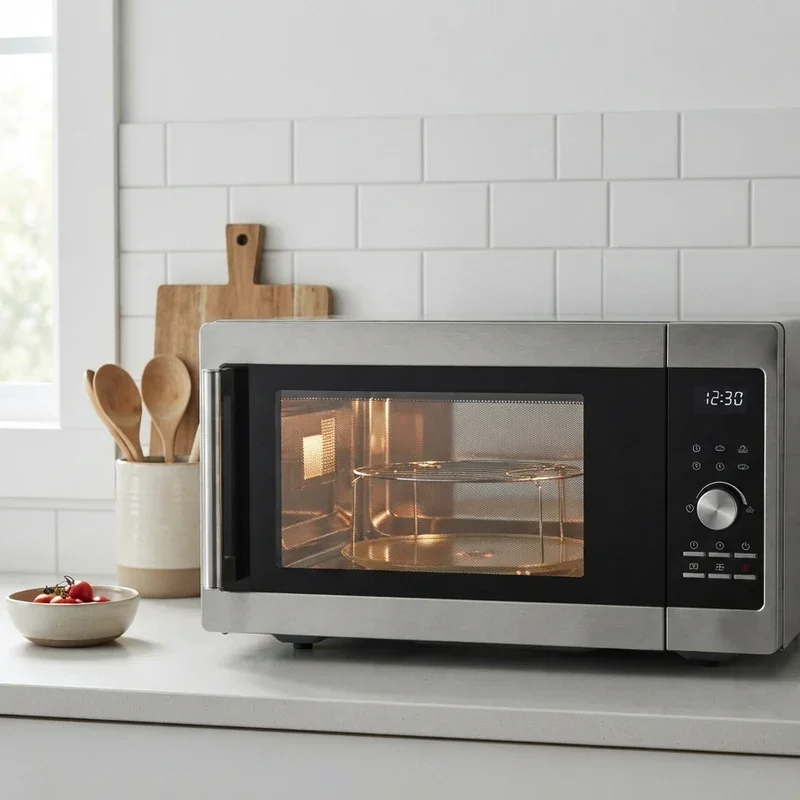
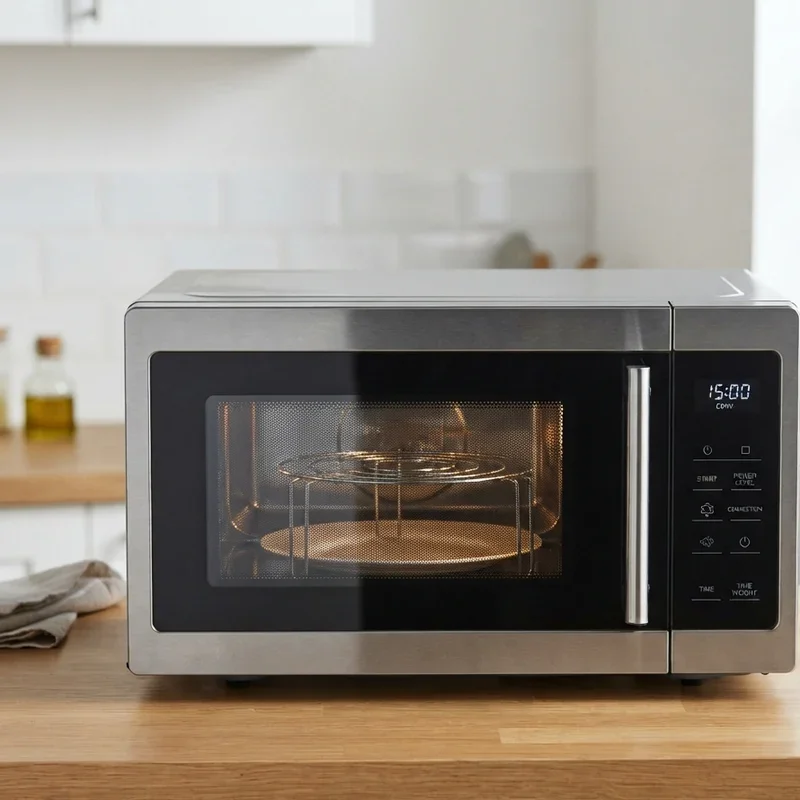
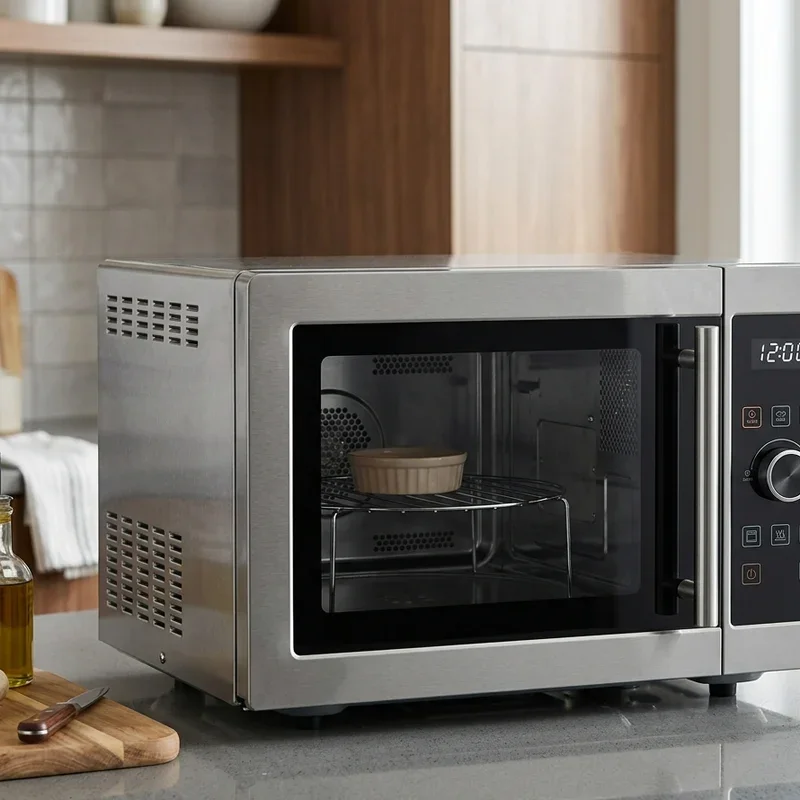
The metal rack, used specifically for convection or combo cooking to elevate food.
The heating element, usually located at the top or back of the unit.
The convection fan, which circulates hot air throughout the cavity.
The control panel, where all the magic happens.
The vents, which allow steam and heat to escape properly.
Understanding the Control Panel
Most convection microwaves have separate buttons for microwave mode, convection mode, grill mode, and combo mode. Some fancier models even include preset options for popular dishes like pizza, cake, or roasted meats. Don't get overwhelmed by all the options. You'll learn what each button does with a little practice.
How to Use a Convection Microwave Step by Step for Basic Cooking
Now for the good stuff. Let's break down how to use a convection microwave step by step for the most common cooking scenarios you'll encounter.
Step 1: Choose Your Cooking Mode
First things first, decide what kind of cooking you're doing. Reheating leftovers? Stick with microwave mode. Baking cookies or roasting veggies? Go with convection. Want crispy chicken in a hurry? Combo mode is your buddy. Pressing the wrong button here can turn your dinner into a disaster, so take a second to think it through.
Step 2: Preheat If Necessary
For convection cooking, preheating is usually a must. Set the temperature you need, hit start, and let the microwave do its thing. Most models beep or display a message when preheating is complete. This typically takes anywhere from 3 to 10 minutes depending on the target temperature.
Step 3: Prepare Your Food
While the oven preheats, get your food ready. For baking, arrange items on the metal rack or a suitable convection-safe dish. For microwaving, use only microwave-safe containers. Never, and I mean never, put metal in the microwave when using microwave-only mode. It's a recipe for sparks, damage, and potentially a fire.
Step 4: Set the Time and Temperature
Once your food is in and the door is closed, punch in the cooking time and temperature. If you're using a preset function, just select the food type and let the machine calculate the settings for you.
Step 5: Press Start and Monitor
Hit that start button and let the cooking begin. Even though the machine does most of the work, it's still smart to check on your food periodically. Ovens vary, and sometimes things cook faster or slower than expected.
Step 6: Let It Rest
Once cooking is complete, give your food a minute or two to rest before digging in. This helps the heat distribute evenly and keeps you from burning your tongue. Nobody wants that.
Cooking Modes Explained
Let's take a closer look at each cooking mode so you know exactly when to use what.
Microwave Mode
This is your standard, run-of-the-mill microwave function. Great for heating up leftovers, melting butter, cooking rice, or defrosting frozen foods. It's fast but doesn't brown or crisp food, so don't expect a golden crust on anything cooked in this mode.
Convection Mode
This mode turns your microwave into a mini oven. The heating element warms the cavity, and the fan circulates that hot air to cook food evenly. Perfect for baking cakes, roasting chicken, or crisping up frozen appetizers. Cooking times are usually similar to a regular oven, sometimes even a bit faster thanks to the compact space.
Grill Mode
Some convection microwaves come with a grill function that uses a top heating element to sear and brown food. Think grilled cheese sandwiches, kebabs, or crispy bacon. It won't replace an outdoor grill, but it gets the job done in a pinch.
Combination Mode
Here's where things get really exciting. Combo mode uses both microwave and convection cooking simultaneously. The microwave cooks the inside quickly while the convection heat browns the outside. Roast chicken in half the time? Yes, please. Just be careful with your dishes, since you can only use containers that are safe for both cooking methods.
Choosing the Right Cookware
Not all dishes are created equal when it comes to convection microwaves. Using the wrong cookware can damage your appliance, ruin your food, or worse.
For microwave-only mode, stick with glass, ceramic, or microwave-safe plastic. Never use metal or aluminum foil.
For convection mode, you can use metal bakeware, oven-safe glass, or ceramic. Basically, anything that would work in a traditional oven is fair game.
For combo mode, use oven-safe glass or ceramic. Avoid metal, since the microwaves can still cause issues.
When in doubt, check the manufacturer's recommendations. Your manual will list what's safe for each mode.
How to Use a Convection Microwave Step by Step for Baking
Baking in a convection microwave is a game changer, but it does take a little getting used to. Here's how to nail it every time.
Step 1: Prep Your Ingredients
Gather everything you need before you start. Preheating goes fast, so you don't want to be scrambling for eggs while the oven sits ready.
Step 2: Preheat the Oven
Select convection mode and set the temperature according to your recipe. Most baked goods need somewhere between 325 and 400 degrees Fahrenheit.
Step 3: Prepare Your Pan
Use a metal baking pan, silicone mold, or convection-safe ceramic dish. Grease it as needed to prevent sticking.
Step 4: Place the Pan on the Rack
Position the metal rack in the microwave, then place your pan on top. This allows hot air to circulate all around the food for even baking.
Step 5: Set the Time
Punch in your cooking time. As a rule of thumb, reduce baking times by about 25 percent compared to a traditional oven, since convection cooks a bit faster.
Step 6: Check for Doneness
Peek through the window or use the interior light to check on your baked goods. When they look done, use a toothpick to test. If it comes out clean, you're good to go.
Tips for Getting the Best Results
Want to take your convection microwave game to the next level? Here are some tricks I've picked up along the way.
Rotate your food halfway through cooking if you notice uneven browning. Even with a fan, some spots might get hotter than others.
Don't overcrowd the cavity. Air needs room to circulate, and stuffing the oven full defeats the purpose of convection cooking.
Use shallow dishes when possible. Deep dishes can trap heat and cause uneven cooking.
Cover foods that tend to dry out, like meats or casseroles, with a lid or foil during part of the cooking process.
Keep the door closed as much as possible. Every time you open it, heat escapes and cooking times increase.
Clean the interior regularly. Splatters and grease can affect performance and even become fire hazards.
Always let the oven cool down before cleaning it, unless you fancy burning your fingers.
Common Mistakes to Avoid
Even seasoned cooks slip up sometimes. Here are the pitfalls to watch out for.
Putting metal in microwave-only mode is a big no-no. It causes sparks and can damage the machine.
Skipping the preheat step when convection baking leads to uneven cooking and disappointing results.
Using microwave-safe plastic in convection mode will end in a melted mess.
Ignoring the wattage. Higher wattage means faster cooking, so adjust your recipes accordingly.
Overcooking because you didn't check on your food. Convection microwaves cook faster than you might think.
Forgetting to remove that plastic wrap. It happens more than you'd expect, and it's not pretty.
Cleaning and Maintenance
A clean convection microwave is a happy convection microwave. Here's how to keep yours in tip-top shape.
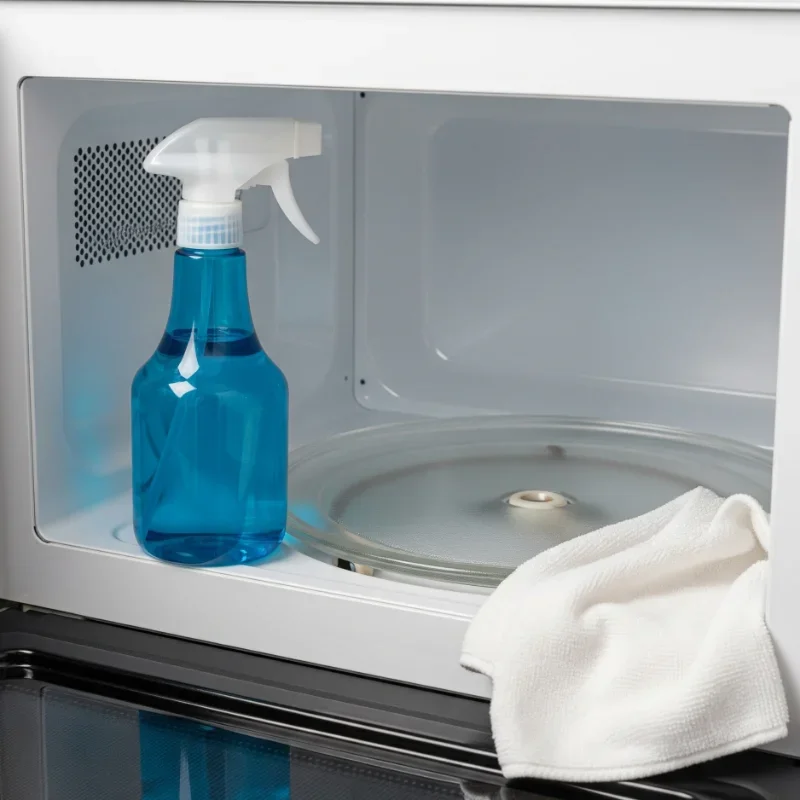
Wipe down the interior after each use with a damp cloth. This prevents buildup and keeps odors at bay.
Once a week, give it a deeper clean. Place a bowl of water with lemon slices inside and run it on microwave mode for a few minutes. The steam loosens grime, making it easy to wipe away.
Clean the turntable and metal rack with warm soapy water. Let them dry completely before putting them back.
Check the vents periodically for dust or debris. Blocked vents can cause the machine to overheat.
Wipe the exterior with a soft cloth and a mild cleaner. Avoid abrasive scrubbers that could scratch the surface.
Safety Tips You Should Never Ignore
Convection microwaves are generally safe, but a little caution goes a long way.
Never operate the machine when it's empty, especially in convection mode. It can damage internal components.
Always use oven mitts when removing hot dishes. The interior gets seriously hot during convection cooking.
Keep flammable materials, like paper towels or dishcloths, away from the vents.
Don't try to repair the machine yourself if something goes wrong. Call a professional or check the warranty.
Supervise kids when they're using the microwave. Even simple functions can go sideways if you're not paying attention.
Recipes to Try in Your Convection Microwave
Ready to put your new skills to work? Here are some ideas to get you started.
Roasted whole chicken with crispy skin, cooked in combo mode.
Homemade pizza with a golden crust, baked on convection.
Chocolate chip cookies that come out perfectly chewy every time.
Baked salmon fillets with roasted veggies on the side.
Freshly baked bread rolls that rival any bakery.
Reheated leftovers that actually taste good, thanks to combo mode.
Once you start experimenting, you'll be amazed at how versatile this appliance really is.
Conclusion
Learning how to use a convection microwave step by step opens up a whole new world of cooking possibilities right in your kitchen. From quick weeknight dinners to weekend baking adventures, this appliance can handle it all with ease. Just remember to choose the right mode, use appropriate cookware, and keep an eye on your food as it cooks. With a little practice and the tips we've covered, you'll be whipping up delicious meals like a pro in no time. Happy cooking, and enjoy every bite!
Read next: How to Use a Grounding Mat in Bed for Better Sleep
Frequently Asked Questions
1.Can I bake a cake in a convection microwave?
Yes, use convection mode with the metal rack and a proper baking pan for great results.
2.Do I need to preheat a convection microwave before cooking?
Yes, preheating is essential for convection and combo modes to ensure even cooking every time.
3.Can I use aluminum foil in a convection microwave?
Only in convection mode, never in microwave-only mode, as it can cause sparks and damage.
4.How long does convection cooking take compared to regular ovens?
Convection cooking typically takes about 25 percent less time than traditional oven cooking methods.
5.Is a convection microwave worth buying for a small kitchen?
Absolutely, it saves space while offering microwave, oven, and grill functions all in one.
Stay up to date with our latest ideas!