Learn how does an RV refrigerator work with absorption cooling, propane, and electric modes explained in easy to follow detail.
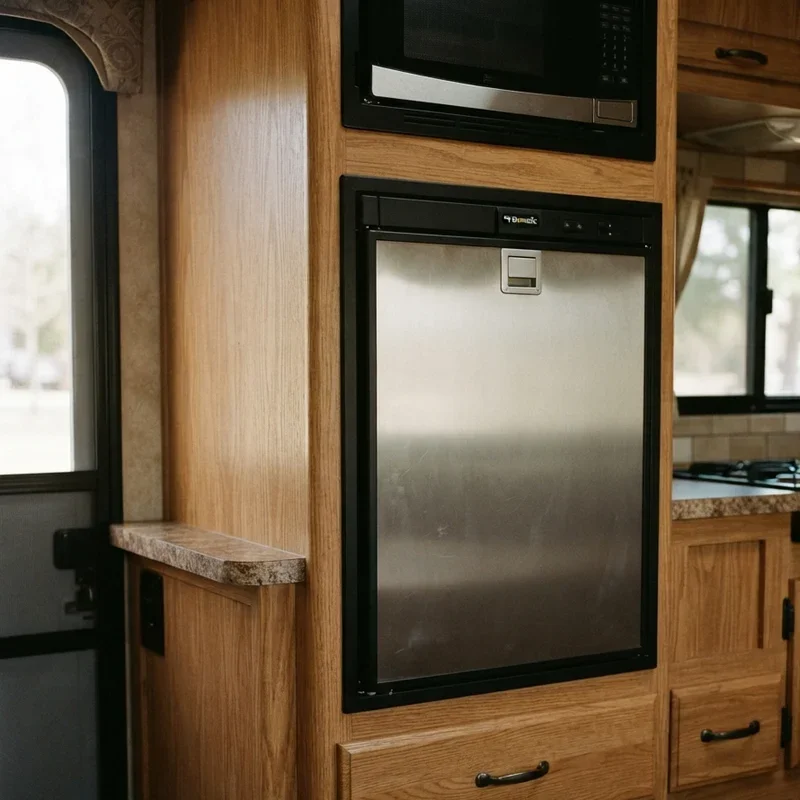
Here's something that'll twist your brain a little. Your RV refrigerator uses heat to keep things cold. Yep, you read that right. While the fridge in your kitchen back home relies on a mechanical compressor humming away to chill your groceries, the refrigerator in most RVs takes a completely different approach. It uses a chemical process powered by heat, whether that heat comes from a propane flame or an electric heating element, to create the cooling effect that keeps your burgers fresh and your beverages frosty. It sounds backwards, almost like saying you need fire to make ice, but the science behind it is actually pretty elegant once you wrap your head around it. If you've ever wondered how does an RV refrigerator work while you're parked in the middle of nowhere with no electrical hookup and your food is still perfectly cold, you're not alone. It's one of those things that most RV owners take for granted until curiosity finally gets the better of them. So let's pop the hood on this thing, figuratively speaking, and explore the fascinating mechanics that make cold food on the open road possible. Whether you're a new RV owner, a weekend warrior, or just someone who's curious about how stuff works, this one's for you.
The Two Main Types of RV Refrigerators
Before we dive into the nuts and bolts, it's worth knowing that not all RV refrigerators are built the same. There are two primary types you'll encounter in the world of recreational vehicles, and they work in fundamentally different ways.
Absorption Refrigerators
This is the classic RV fridge that's been around for decades. Absorption refrigerators are by far the most common type found in travel trailers, fifth wheels, and motorhomes. They have no moving parts in the cooling system itself, which means they operate almost silently. If you've ever noticed how quiet your RV fridge is compared to the one at home, that's why. No compressor means no hum, no vibration, and no mechanical parts that can wear out from constant use.
Absorption fridges can run on multiple power sources, which is what makes them so practical for RV life. Most models are designed to operate on propane gas, 120-volt AC electricity when you're plugged into shore power, or sometimes even 12-volt DC power from your RV's battery. This flexibility means you can keep your food cold whether you're at a fully equipped campground, boondocking in the desert, or rolling down the highway between stops.
Compressor Refrigerators
The newer kid on the block is the compressor-style RV refrigerator. These work much more like your residential fridge at home, using a mechanical compressor and refrigerant to actively pump heat out of the interior. They're more efficient at cooling, work better in extreme heat, and aren't affected by whether the RV is parked on level ground or not.
Compressor fridges run exclusively on electricity, either 12-volt DC or 120-volt AC. This makes them a natural fit for RVs equipped with solar panels and lithium battery banks, which have become increasingly popular among off-grid camping enthusiasts. However, since they depend entirely on electrical power, they don't offer the propane backup option that absorption models provide.
For the purposes of this article, we're going to focus mainly on absorption refrigerators since they're what most people are asking about when they wonder how does an RV refrigerator work. The absorption process is where the real magic happens, and it's the technology that sets RV refrigeration apart from everything else.
How Does an RV Refrigerator Work? Explained Through the Absorption Process
Alright, here's where things get really interesting. The absorption cooling cycle is a closed-loop chemical process that involves four key substances working together in a continuous cycle. Those substances are ammonia, water, hydrogen gas, and sodium chromate, which serves as a corrosion inhibitor. There's no compressor, no moving parts, and no mechanical pump. The entire system is driven by gravity and heat alone. Pretty incredible when you think about it.
Let's walk through the cycle step by step so you can see how heat on one end produces cold on the other.
The Boiler: Where It All Begins
Everything starts at the boiler, sometimes called the generator. This is the section of the cooling unit where a mixture of ammonia and water gets heated. The heat source is either a propane burner flame sitting underneath the boiler or an electric heating element wrapped around it. Regardless of the source, the goal is the same. Get that ammonia-water solution hot enough to boil.
When the solution reaches boiling point, the ammonia, which has a much lower boiling point than water, vaporizes first and separates from the liquid water. The ammonia vapor rises up through a tube called the percolator, driven by the heat and the natural tendency of gas to rise. It's similar to how a coffee percolator pushes hot water upward through the grounds, which is probably where the name came from.
The water, now separated from most of its ammonia, trickles back down by gravity to the absorber section, where it'll play a crucial role later in the cycle. For now, let's follow the ammonia vapor on its journey through the system.
The Condenser: Turning Gas Back Into Liquid
The hot ammonia vapor travels upward and enters the condenser, which consists of a series of metal fins and tubes mounted on the back of the refrigerator, usually exposed to the open air. As the hot ammonia gas passes through these fins, it releases its heat into the surrounding air. Those fins on the back of your RV fridge that feel warm to the touch? That's the condenser doing its job, dumping heat from the ammonia into the atmosphere.
As the ammonia cools down in the condenser, it transitions from a gas back into a liquid state. This liquid ammonia, now cooled and condensed, flows downward by gravity toward the next stage of the cycle. No pump needed. Just gravity doing what gravity does.
The Evaporator: Where the Cold Happens
Here's the part everyone's been waiting for. The liquid ammonia enters the evaporator, which is the component located inside the actual refrigerator compartment where your food sits. This is where the cooling magic takes place.
Inside the evaporator, the liquid ammonia encounters hydrogen gas. Now, here's a neat bit of chemistry. When liquid ammonia meets hydrogen gas in a low-pressure environment, the ammonia evaporates rapidly. Evaporation is an endothermic process, meaning it absorbs heat from its surroundings. The ammonia literally pulls heat out of the air inside the refrigerator, dropping the temperature and creating the cold environment that keeps your food fresh.
Think of it like stepping out of a swimming pool on a breezy day. The water evaporating off your skin makes you feel cold because the evaporation process is absorbing heat from your body. The same principle is at work inside your RV fridge, just with ammonia instead of pool water and at a much more controlled and efficient level.
The ammonia vapor, now mixed with hydrogen gas, flows out of the evaporator and heads toward the absorber.
The Absorber: Completing the Loop
In the absorber, the ammonia-hydrogen gas mixture meets the water that trickled down from the boiler earlier. Water has a strong natural affinity for ammonia, so it eagerly absorbs the ammonia vapor out of the gas mixture. This releases the hydrogen gas, which is now ammonia-free and floats back up to the evaporator to repeat its role in the cooling process.
The water-ammonia solution, now reformed, flows back down to the boiler by gravity. And just like that, the cycle starts all over again. Heat goes in at the boiler, ammonia separates, condenses, evaporates to create cold, gets reabsorbed by water, and returns to the boiler. Round and round it goes, 24 hours a day, seven days a week, with no moving parts and no mechanical assistance. Just heat, chemistry, and gravity working in perfect harmony.
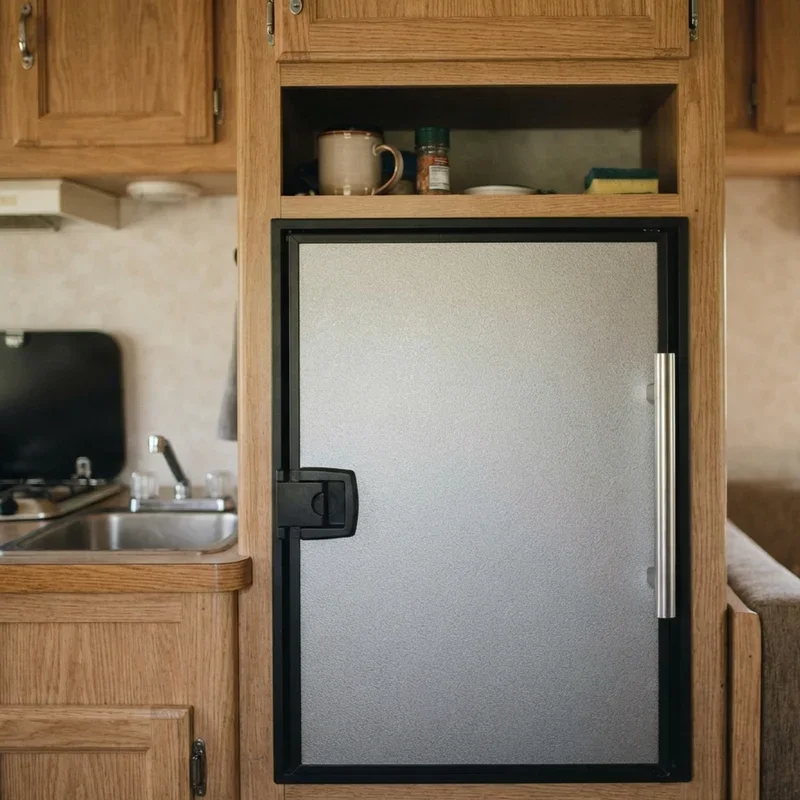
Propane Mode vs. Electric Mode What's the Difference?
Most absorption RV refrigerators are dual-fuel or even tri-fuel units, meaning they can switch between different energy sources to power the boiler. But regardless of which fuel source is active, the cooling process inside the unit is exactly the same. The only thing that changes is how the heat is generated.
Running on Propane
When you're camping off-grid without electrical hookups, propane is your best friend. A small propane burner sits beneath the boiler and produces a steady, controlled flame that heats the ammonia-water solution. Propane mode is remarkably efficient. A typical RV fridge running on propane uses only about one to one and a half pounds of propane per day, which means a standard 20-pound tank can keep your fridge running for well over two weeks.
The propane burner is controlled by a thermostat that regulates the flame to maintain the desired temperature inside the fridge. Some newer models use electronic ignition, while older units might have a manual pilot light that needs to be lit by hand. Either way, the flame is small, focused, and designed to heat the boiler without wasting fuel.
One thing to keep in mind with propane operation is ventilation. The burner needs oxygen to combust properly, and the exhaust gases need somewhere to go. That's why RV refrigerators have exterior vents on the outside wall of the RV. These vents allow fresh air in and combustion byproducts out. Blocking these vents with storage, wasp nests, or debris can affect performance and create safety hazards, so keeping them clear is essential.
Running on Electricity
When you're parked at a campground with shore power or running a generator, you can switch the fridge to 120-volt AC mode. In this mode, an electric heating element replaces the propane flame as the heat source for the boiler. The heating element wraps around or sits inside the boiler section and heats the ammonia-water solution electrically.
Electric mode works just as well as propane mode, and many RV owners prefer it when hookups are available because it conserves propane for cooking and other uses. The cooling performance is essentially identical since the absorption cycle doesn't care where its heat comes from. Hot is hot, whether it's flame or electric resistance.
Some RV fridges also have a 12-volt DC mode that runs off the RV's house batteries. However, 12-volt operation draws a significant amount of power and is generally meant only for keeping the fridge running while you're driving between campsites, not as a primary operating mode. Running on 12-volt for extended periods can drain your batteries faster than you'd like, especially if you're not hooked up to a charging source.
Why Leveling Matters So Much
If you've spent any time around RV forums or campground conversations, you've probably heard that absorption fridges need to be level to work properly. This isn't an old wives' tale or an overblown precaution. It's genuinely important, and here's why.
The entire absorption cycle relies on gravity to move liquids through the system. Ammonia solution flows down from the absorber to the boiler. Condensed liquid ammonia drains from the condenser to the evaporator. Water returns from the boiler to the absorber. All of these movements depend on the cooling unit being oriented correctly so that gravity pulls the liquids in the right direction.
When an RV is parked significantly off-level, the liquids inside the cooling unit can pool in the wrong places. Ammonia might not reach the evaporator properly, or water might not return to the boiler efficiently. The result is reduced cooling performance or, in some cases, complete failure to cool at all.
Worse yet, running an absorption fridge severely off-level for extended periods can cause the ammonia solution to crystallize in sections of the tubing where it shouldn't be. This can create permanent blockages that damage the cooling unit beyond repair. Replacing a cooling unit is one of the most expensive repairs in the RV world, often running over a thousand dollars, so keeping your rig level is worth the effort.
You don't need to be perfectly level to the millimeter. Most absorption fridges can tolerate being a couple of degrees off in any direction without trouble. But if your RV is visibly tilted when you park, take the time to level it with blocks, leveling jacks, or whatever method your rig supports. Your fridge and your wallet will both thank you.
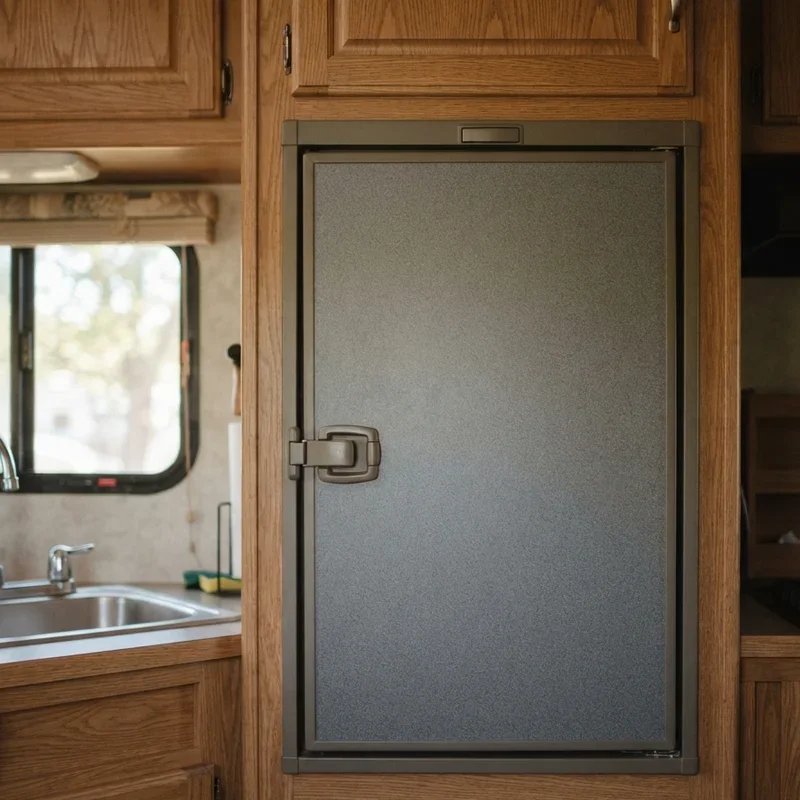
Tips for Getting the Best Performance From Your RV Fridge
Understanding how your fridge works is great, but knowing how to maximize its performance makes the knowledge practical. Here are some tips that experienced RV owners swear by.
Pre-Cool Before You Load
Absorption fridges take longer to cool down than residential compressor models. Starting your fridge 24 hours before a trip and letting it reach operating temperature before loading any food gives it a significant head start. Throwing warm groceries into a fridge that's still working on cooling down makes the whole process take even longer and puts extra strain on the system.
Use Fans for Better Air Circulation
The air inside an RV fridge doesn't circulate on its own as well as it does in a residential fridge with built-in fans. Adding a small battery-powered fan inside the fridge compartment helps distribute cold air evenly, eliminating warm spots and improving overall cooling efficiency. These little fans are cheap, run on D-cell batteries or rechargeable cells, and make a noticeable difference.
Keep Those External Vents Clear
The condenser and burner assembly behind your RV fridge need good airflow to function properly. The condenser has to dump heat into the surrounding air, and the propane burner needs oxygen for combustion. Blocked vents, bird nests, leaves, or even a buildup of dust and dirt on the condenser fins can significantly reduce performance. Inspect the exterior vents regularly and clean them out at least once a season.
Don't Overstuff the Fridge
Packing the fridge to the brim restricts airflow inside the compartment, which makes it harder for the cold air to circulate and reach everything. Leave some space between items, especially around the cooling fins inside the fridge. Good airflow means more consistent temperatures and fewer warm spots that can spoil food.
Park in the Shade When Possible
Absorption fridges work harder in hot weather because the condenser struggles to release heat into already-warm ambient air. Parking your RV so the fridge side of the vehicle is in the shade can drop the temperature around the condenser and vents by several degrees, giving the system a meaningful boost. If shade isn't available, an aftermarket vent fan mounted on the exterior access panel can help pull hot air away from the condenser.
When Things Go Wrong Common Problems and Signs of Trouble
Even the best-maintained absorption fridge can develop problems over time. Knowing the warning signs helps you catch issues early before they turn into expensive repairs.
If your fridge stops cooling on both propane and electric but everything else seems normal, the cooling unit may have failed. A strong ammonia smell near the back of the fridge is a telltale sign of a leak in the sealed system. Once the ammonia charge is lost, the system can't perform the absorption cycle and cooling stops entirely. Unfortunately, a failed cooling unit typically means replacement rather than repair.
Yellow or sooty residue around the propane burner area suggests incomplete combustion, which could mean a clogged burner orifice, spider webs in the flue tube, or inadequate ventilation. These are all serviceable issues that a thorough cleaning can usually resolve.
If the fridge cools on electric but not on propane, the issue is likely with the gas delivery system. A faulty gas valve, a bad thermocouple, or a dirty burner assembly are common culprits. If it cools on propane but not electric, the heating element may have burned out and needs replacement.
Intermittent cooling problems that come and go can point to a partially blocked cooling unit. Ammonia sediment or sodium chromate crystals can form blockages that restrict flow without completely stopping it. Some RV owners have luck with a procedure called burping the fridge, which involves removing the cooling unit, turning it upside down, and letting gravity clear minor blockages. It doesn't always work, but it's worth trying before spending big money on a new unit.
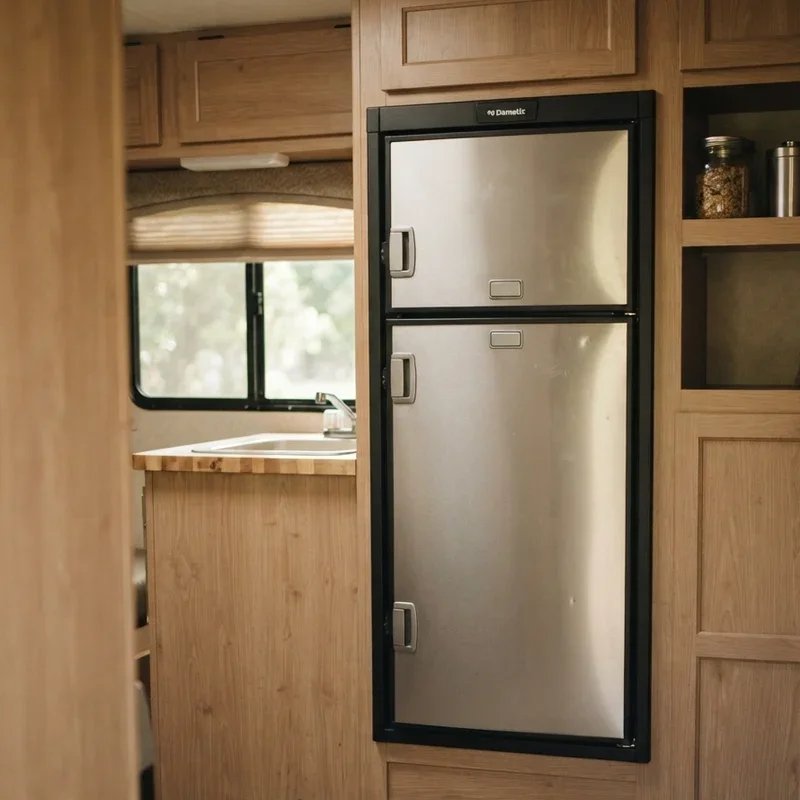
How Does an RV Refrigerator Work? Explained for the Curious Mind
When you step back and look at the whole system, it's genuinely impressive that someone figured out how to keep food cold using nothing more than heat, a few chemicals, and gravity. No moving parts, no electricity required if you've got propane, and near-silent operation that lets you sleep peacefully just a few feet from the kitchen. The absorption refrigeration cycle has been around since the 1850s, and the basic principles haven't changed much since then. What has changed is the engineering around it. Better insulation, more efficient burner designs, improved thermostat controls, and electronic ignition systems have all made modern RV absorption fridges more reliable and user-friendly than ever.
For the growing number of RV owners switching to compressor-style fridges, the trade-off is straightforward. You gain better cooling efficiency, faster temperature recovery, and independence from leveling concerns. But you lose the ability to run on propane, which is a significant drawback for anyone who camps off-grid without a robust solar and battery setup.
Both technologies have their strengths, and the best choice depends on your camping style, your power setup, and your personal priorities.
Conclusion
The RV absorption refrigerator is a marvel of simple engineering that uses heat, ammonia, water, and hydrogen gas to create cold without any moving parts. By understanding how the absorption cycle works and taking steps to maintain proper leveling, ventilation, and airflow, you can keep your fridge performing at its best for years of camping adventures. Whether you run on propane under the stars or plug into shore power at a campground, the science behind the scenes stays the same. It's one of those beautiful systems where chemistry and gravity team up to make road life comfortable and your food reliably fresh.
Read next: Why Is My Refrigerator Leaking Water Inside? Solutions
Frequently Asked Questions
1.Can an RV refrigerator run while driving down the road?
Yes, most RV fridges run on 12-volt DC power or propane while the vehicle is moving.
2.How long does an RV absorption refrigerator typically last?
With proper maintenance and care, a quality absorption fridge can last fifteen to twenty years reliably.
3.Does an RV fridge use a lot of propane?
No, most models use only about one to one and a half pounds of propane per day.
4.Can I replace an absorption fridge with a compressor model?
Yes, many RV owners upgrade to compressor fridges, though some electrical modifications may be needed.
5.Why does my RV fridge only work when the RV is perfectly level?
The absorption cycle relies on gravity to move liquids, so tilting disrupts proper chemical flow internally.
Stay up to date with our latest ideas!