Building a Reliable Home Medical Kit: What Every Household Should Have
Learn how to build a reliable home medical kit with essential supplies, medications, and first aid items every household should keep on hand.

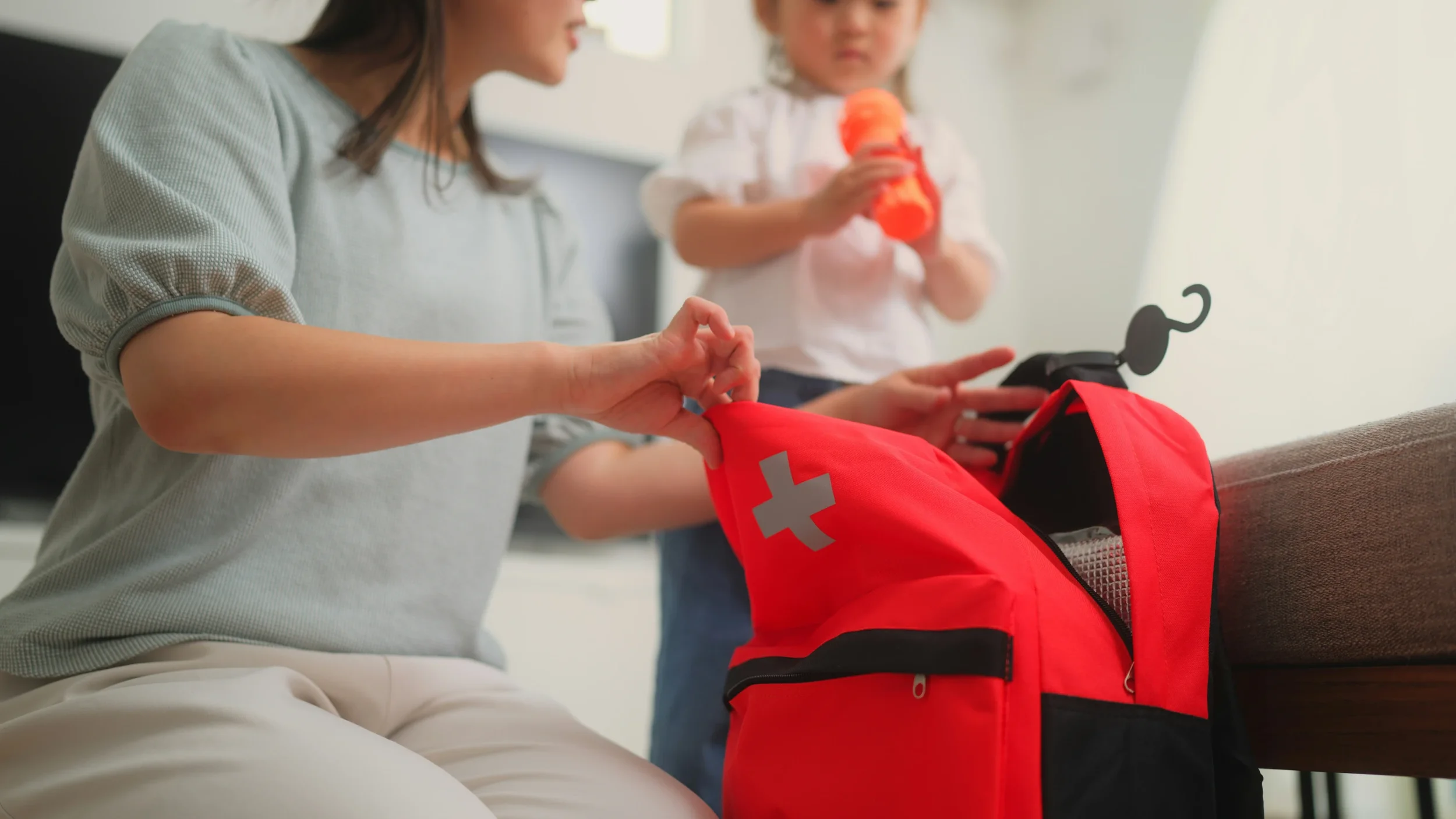
Every household should be prepared to handle minor injuries, common illnesses, and unexpected health situations. While a home medical kit cannot replace professional medical care, it can provide the supplies needed to respond quickly and effectively when everyday health concerns arise. Whether it is a scraped knee, seasonal illness, headache, minor burn, or allergic reaction, having the right medical supplies readily available can help families stay safe and comfortable.
A well stocked home medical kit is not just for emergencies. It can also save time, reduce stress, and help you manage common health issues without making an unnecessary trip to the store.
Start With First Aid Essentials
The foundation of any home medical kit should be a comprehensive collection of first aid supplies. These items can help treat minor cuts, scrapes, and other everyday injuries.
Essential first aid supplies include:
Adhesive bandages in multiple sizes
Sterile gauze pads
Medical tape
Antiseptic wipes
Antibiotic ointment
Cotton balls and swabs
Disposable gloves
Tweezers
Small scissors
Instant cold packs
These basic supplies can address many common injuries until further treatment is available if needed.
Include Basic Monitoring Tools
Monitoring equipment allows family members to assess symptoms and make informed decisions about seeking care.
Every home medical kit should include:
A digital thermometer
Blood pressure monitor
Pulse oximeter
Flashlight or penlight
A thermometer is especially important for monitoring fevers in both children and adults. Pulse oximeters have become increasingly popular because they provide quick readings of blood oxygen levels and pulse rate.
These simple devices offer valuable information during illness and can help healthcare providers better understand symptoms if medical attention becomes necessary.
Stock Common Over the Counter Medications
Keeping a small selection of common medications on hand can make managing minor illnesses much easier.
Consider including:
Pain relievers and fever reducers
Allergy medications
Cough suppressants
Cold and flu remedies
Antacids
Anti diarrheal medication
Motion sickness medication
Be sure to review expiration dates periodically and replace medications as needed. If household members have specific medical conditions, additional physician recommended supplies may also be appropriate.
Prepare for Minor Burns and Skin Irritations
Burns, insect bites, rashes, and skin irritations are common household issues. Having the proper supplies can help provide immediate relief.
Useful items include:
Burn gel or burn dressings
Hydrocortisone cream
Calamine lotion
Aloe vera gel
Insect bite treatment
These products can help reduce discomfort while supporting the healing process.
Consider Family Specific Needs
Every household is different. A family with young children may require additional pediatric medications and child friendly bandages. Households with seniors may benefit from extra monitoring equipment and medication organizers.
Pet owners may also choose to keep a separate pet first aid kit for animal related emergencies.
When building a home medical kit, consider the unique needs of everyone who lives in the home.
Keep Emergency Information Accessible
A reliable home medical kit should include more than supplies. It should also contain important information that can be quickly accessed during an emergency.
Consider storing:
Emergency contact numbers
Family medical information
Medication lists
Health insurance information
Contact information for healthcare providers
Keeping this information organized can save valuable time during urgent situations.
Store Supplies Properly
Even the best medical kit is not helpful if supplies are difficult to find. Store your kit in a clean, dry location that is easily accessible to adults. Family members should know where it is located and how to access it when needed.
Many households benefit from using a dedicated storage container with labeled compartments to keep supplies organized.
It is also a good idea to inspect the kit several times a year to replace expired medications, replenish used items, and ensure everything remains in good condition.
Be Prepared Before You Need It
Medical emergencies and everyday illnesses rarely happen at convenient times. Building a reliable home medical kit ensures that your household is prepared when minor health concerns arise.
By combining first aid supplies, monitoring tools, medications, and emergency information, families can create a practical resource that supports health and safety throughout the year. A well prepared home medical kit offers peace of mind and helps households respond confidently when unexpected situations occur.
Stay up to date with our latest ideas!