How to Clean Soot Off Glass Without Scratching It
Learn how to clean soot off glass without scratching it using safe, effective methods that restore clarity to your fireplace doors.
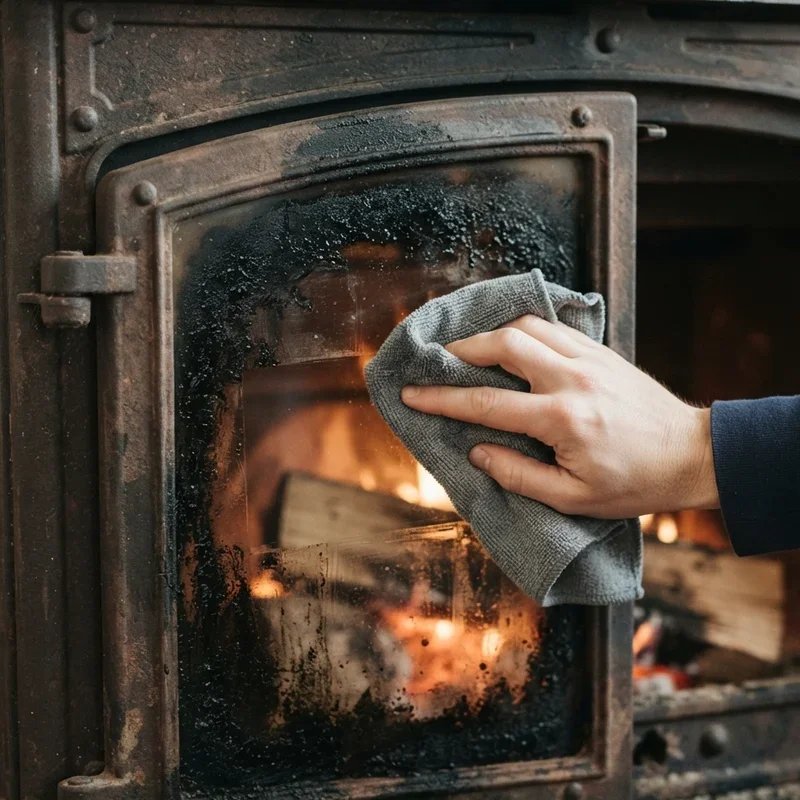
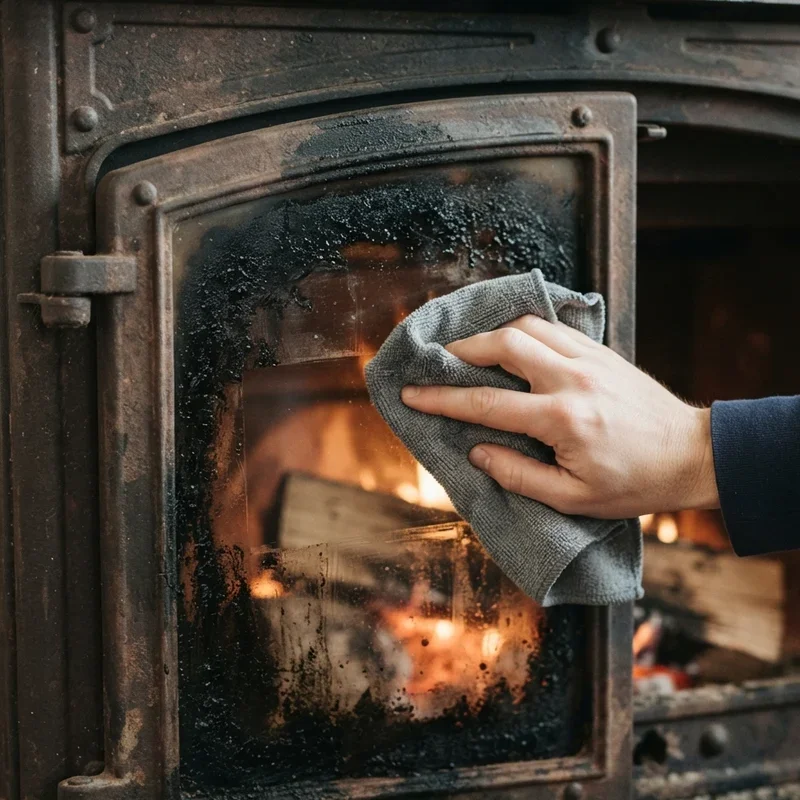
There's something magical about sitting in front of a roaring fire on a cold evening. The warmth, the crackling sounds, the soft glow dancing across the room. But here's the part nobody talks about in those cozy fireplace fantasies. After a few fires, that beautiful glass door turns into a blackened, grimy mess that blocks the entire view. Soot builds up fast, and before you know it, you're staring at a dark wall instead of flickering flames. The instinct is to grab whatever cleaner is under the sink and start scrubbing like your life depends on it. But hold on. That aggressive approach is exactly how people end up with scratched, foggy glass that looks worse than the soot itself. Learning how to clean soot off glass without scratching it is something every fireplace owner needs in their back pocket. The good news? It's simpler than you'd expect, and you probably already have most of what you need right at home. So let's roll up our sleeves and figure out the right way to get that glass crystal clear again without causing any damage along the way.
Understanding What Soot Actually Is
Before you go to battle with that black layer on your glass, it helps to know what you're actually dealing with. Soot isn't just dirt or regular dust. It's a fine black powder made up of carbon particles that result from incomplete combustion. When wood, gas, or other fuels burn and don't combust fully, those tiny carbon particles float up and settle on whatever surface is nearby. Your glass door just happens to be the unlucky landing spot.
What makes soot tricky is its texture. Those particles are incredibly fine, almost powder-like when fresh. But when they mix with moisture, heat, and creosote from repeated fires, they bake onto the glass and form a stubborn, sticky film that won't budge with a simple wipe. It's like the soot welds itself to the surface over time, and each fire adds another layer to the problem.
Here's the important thing to remember. Because soot particles are so fine, they can actually act like tiny abrasives if you rub them around on the glass with a dry cloth. That's one of the main ways scratching happens. People unknowingly grind the soot into the glass while trying to remove it, turning a cleaning job into an expensive repair situation. Understanding this is the first step toward protecting your glass while getting it clean.
Why Scratching Is Such a Big Deal
You might be thinking, so what if there are a few minor scratches? It's just glass on a fireplace, not a diamond ring. Well, those tiny scratches add up quicker than you'd imagine. Each one catches light differently, creating a hazy, frosted appearance that makes the glass look permanently dirty even when it's perfectly clean. Over time, deeply scratched glass loses its transparency entirely, and replacing fireplace glass panels isn't cheap.
Scratches also create tiny grooves where future soot can settle and cling more stubbornly. It's a vicious cycle. The more scratched the glass becomes, the harder it is to clean, which leads to more aggressive scrubbing, which causes more scratches. Breaking that cycle starts with using the right techniques and materials from day one.
Beyond appearance, severely scratched glass can compromise its structural integrity. Fireplace glass is designed to withstand high temperatures, but deep scratches create stress points that can weaken it over time. While it's rare, a weakened panel could crack under extreme heat, and nobody wants that kind of surprise during a quiet evening by the fire.
How to Clean Soot Off Glass Without Scratching It The Tools You Need
Getting the right supplies together before you start makes the whole process run smoothly. The wrong tools can ruin your glass, so choosing carefully matters more than you might think.
For cloths, go with soft microfiber towels or lint-free cotton rags. These are gentle enough to avoid scratching while still being effective at lifting soot. Paper towels are a popular choice, but here's the catch. Cheap paper towels can be surprisingly rough and may leave behind tiny fibers that stick to damp glass. If you do use paper towels, reach for the thick, premium kind.
For cleaning solutions, you've got several safe options. White vinegar, baking soda, dish soap, and commercial fireplace glass cleaners are all solid choices. What you want to avoid is anything containing ammonia, bleach, or abrasive particles. Those products might cut through grime faster, but they can also etch or dull the glass surface permanently.
A spray bottle is handy for applying liquid solutions evenly. A plastic scraper or an old credit card can help with really thick buildup, but use these with extreme caution and at a flat angle. Never use metal scrapers, razor blades, or steel wool on glass. Those are a one-way ticket to scratch city.
Keep a bucket of warm water nearby for rinsing your cloth frequently. Rinsing is more important than most people realize. A dirty cloth just redistributes soot particles across the glass, and those particles are exactly what cause scratching when dragged across the surface.
How to Clean Soot Off Glass Without Scratching It Step-by-Step Methods
Now that you know what you're working with and what tools to use, let's walk through the actual cleaning process. There are a few different approaches depending on how bad the soot buildup is, and I'll cover each one so you can pick the method that suits your situation.
Method One: The Vinegar and Water Approach
This is the go-to method for light to moderate soot buildup. It's cheap, effective, and uses ingredients you definitely have in your kitchen right now.
Mix equal parts white vinegar and warm water in a spray bottle. Shake it up and spray the solution generously onto the soot-covered glass. Don't be shy with it. You want the surface thoroughly damp so the soot particles are floating in liquid rather than sitting dry on the glass. That moisture is what prevents scratching during the wiping process.
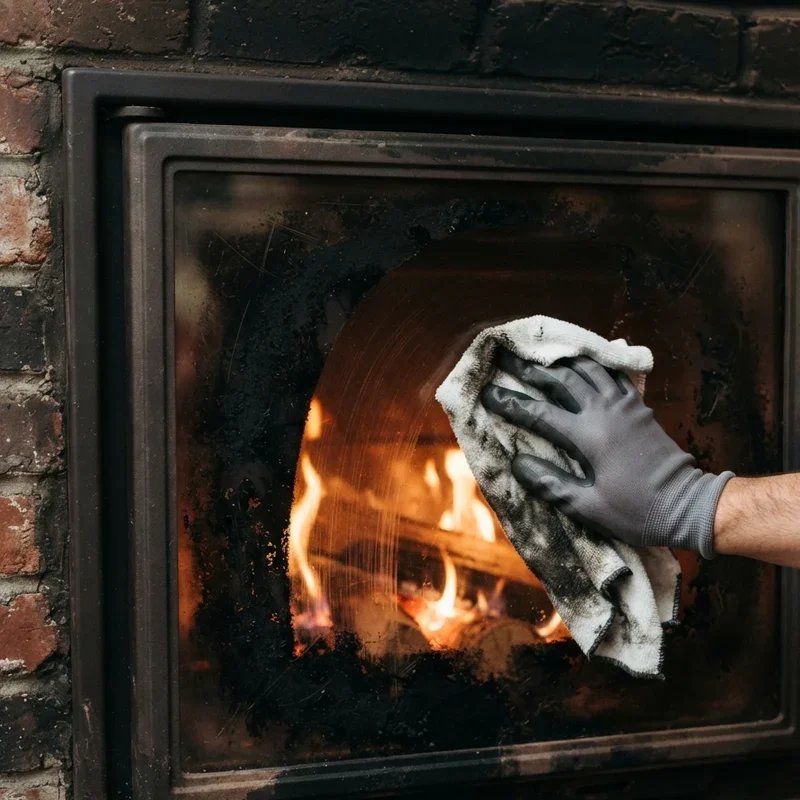
Let the solution sit for about five minutes. This gives the vinegar time to break down the soot and loosen its grip on the glass. After the waiting period, take a soft microfiber cloth and start wiping in gentle, straight motions. Avoid circular scrubbing at first because that can push soot particles around and increase the chance of scratching. Straight lines in one direction are safer for the initial pass.
Rinse your cloth in clean water frequently. Every few wipes, fold the cloth to a clean section or grab a fresh one. This ensures you're always lifting soot off the glass rather than just smearing it around. Once you've removed the bulk of the soot, do a final wipe with a clean damp cloth followed by a dry one to prevent water spots.
Method Two: The Baking Soda Paste Technique
For heavier soot that's been baking onto the glass through many fires, you'll need a little more muscle. Baking soda paste provides gentle abrasion that's tough on grime but kind to glass surfaces.
Mix three tablespoons of baking soda with just enough water to create a thick, spreadable paste. The consistency should be similar to yogurt. Too watery and it'll run right off the glass. Too thick and it'll be hard to spread evenly.
Apply the paste to the soot-covered glass using your fingers or a soft cloth. Spread it across the entire surface and let it sit for ten to fifteen minutes. The alkaline nature of baking soda works to dissolve the acidic components of soot and creosote, loosening their bond with the glass.
After the paste has had time to work, dampen a clean microfiber cloth with warm water and begin wiping the paste away. Use gentle pressure and let the baking soda do the work for you. There's no need to press hard. If certain spots are still stubborn, apply a little more paste to those specific areas, wait another five minutes, and wipe again.
Finish by rinsing the glass with clean water and drying it with a lint-free cloth. You should see a noticeable difference, and the glass should feel smooth to the touch with no gritty residue left behind.
Method Three: The Ash and Newspaper Trick
This old-school method might sound crazy, but hear me out. Using damp newspaper dipped in fine wood ash is a time-tested technique that chimney sweeps have used for generations. The fine ash acts as an extremely gentle abrasive, and the newspaper is soft enough to avoid scratching.
Take a sheet of newspaper, crumple it loosely, and dip it in a shallow dish of water. Then press the damp newspaper into a pile of fine, cool wood ash from your fireplace. You only want the lightest, most powdery ash. Avoid any chunks, charcoal pieces, or gritty material that could scratch the glass.
Rub the ash-covered newspaper onto the soot-stained glass using light, circular motions. The ash cuts through the soot surprisingly well without damaging the surface. It sounds counterintuitive to use a byproduct of fire to clean up after fire, but it genuinely works. Think of it as fighting fire with fire, literally.
Once the soot is lifted, wipe the glass clean with a damp cloth to remove all ash residue, and follow up with a dry cloth for a streak-free finish.
Method Four: Commercial Fireplace Glass Cleaner
If you'd rather skip the DIY route, there are plenty of commercial products designed specifically for fireplace glass. These cleaners are formulated to dissolve soot and creosote without scratching, and many of them work remarkably well with minimal effort.
Spray the cleaner onto the glass according to the product's instructions. Most recommend letting it sit for a few minutes before wiping. Use a soft cloth, not abrasive pads, and wipe in straight motions. Some commercial cleaners have a slightly milky consistency that turns dark as it lifts soot, which is oddly satisfying to watch.
The advantage of commercial cleaners is convenience. They're pre-mixed, ready to use, and optimized for this exact job. The downside is cost, since they're more expensive than vinegar or baking soda. But for someone who cleans their fireplace glass regularly, a good commercial cleaner can save time and effort over the long run.
Preventing Soot Buildup in the First Place
Cleaning is great, but wouldn't it be even better if there was less soot to deal with? Prevention won't eliminate the problem entirely, but it can dramatically reduce how quickly your glass gets dirty.
Burning seasoned hardwood makes a huge difference. Wood that's been dried for at least six months burns hotter and more completely, producing far less soot than green or wet wood. Softwoods like pine burn fast and produce more creosote and soot, so save those for bonfires and stick with oak, maple, or hickory for your indoor fireplace.
Proper airflow is another key factor. Make sure your fireplace damper is fully open when you're building a fire. Restricted airflow leads to incomplete combustion, which means more soot particles floating around and landing on your glass. Some fireplaces have air wash systems that direct a flow of air down over the glass to keep it cleaner. If yours has this feature, make sure it's functioning properly and not blocked.
Avoid burning trash, cardboard, wrapping paper, or treated wood in your fireplace. These materials produce excessive soot, toxic fumes, and sticky residues that are much harder to clean than regular wood soot. They can also damage your chimney liner and create fire hazards, so there's really no upside to burning them.
Building your fire toward the back of the firebox rather than right up against the glass also helps. The further the flames are from the glass, the less direct soot deposit you'll get. A well-built fire with good air circulation at the back of the fireplace keeps the glass cleaner for much longer between cleanings.
How Often Should You Clean Fireplace Glass?
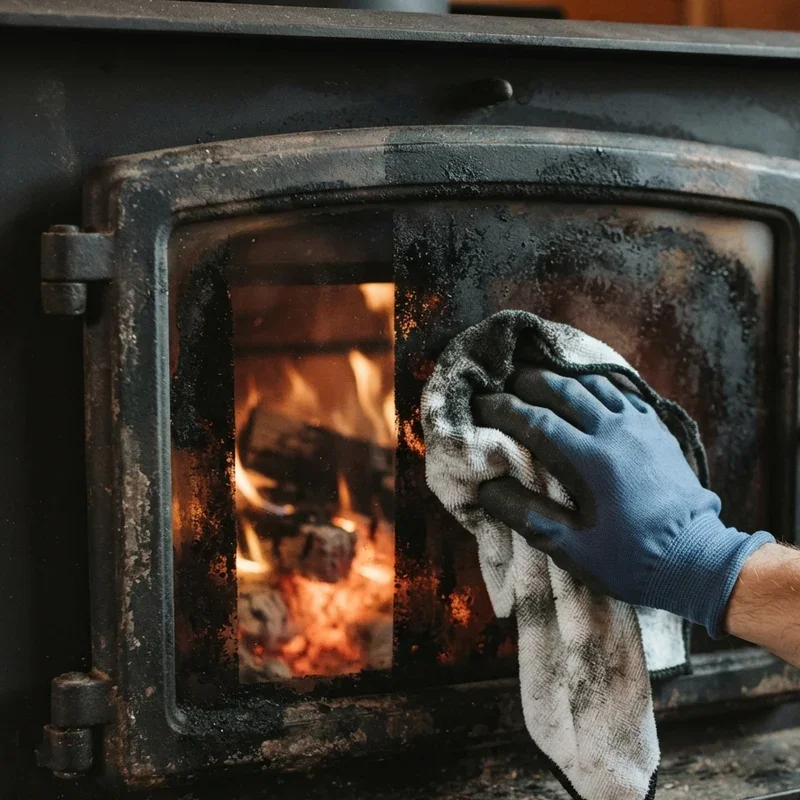
The answer depends on how frequently you use your fireplace and what kind of fuel you burn. For someone who lights a fire every evening during winter, a weekly cleaning with the vinegar method keeps things manageable. If you only use the fireplace occasionally, a thorough cleaning after every three to four fires should be plenty.
The key is not letting soot accumulate to the point where it becomes a major project. Fresh soot is relatively easy to remove. Soot that's been baked on through twenty fires is a completely different animal. Staying on top of it with quick, regular cleanings saves you from those marathon scrubbing sessions that test your patience and increase the risk of scratching.
A good rule of thumb is to check your glass every time you clean out the ashes. If you can still see the flames clearly through the glass, you're fine. If the view is getting hazy or you're starting to see a noticeable film, it's time to grab your cleaning supplies.
Mistakes That Lead to Scratched Glass
Even with good intentions, people make errors that end up scratching their glass. Being aware of these common pitfalls helps you avoid them entirely.
Using dry cloths on soot-covered glass is probably the number one offender. Dry wiping drags those abrasive carbon particles directly across the surface. Always dampen the glass first with your cleaning solution before making any contact with a cloth.
Reaching for abrasive materials is another frequent mistake. Scouring pads, steel wool, rough sponges, and even some household scrub brushes are too harsh for glass. They might remove soot quickly, but they leave behind a web of fine scratches that become painfully obvious once the glass is clean.
Using too much pressure is a subtle but common error. When a spot won't come off easily, the natural reaction is to push harder. Resist that urge. Extra pressure grinds particles into the surface and causes scratching. Instead, apply more cleaning solution, let it sit longer, and try again with gentle pressure.
Cleaning hot glass is both dangerous and counterproductive. The heat causes cleaning solutions to evaporate too quickly, and thermal stress combined with wiping can damage the glass. Always let your fireplace cool completely before starting any cleaning work. A cool surface gives your cleaning solution time to work and reduces the risk of both burns and glass damage.
Skipping the rinse step leaves residue on the glass that can attract soot even faster after your next fire. Always do a final wipe with clean water to remove all traces of your cleaning solution.
When Professional Help Makes Sense
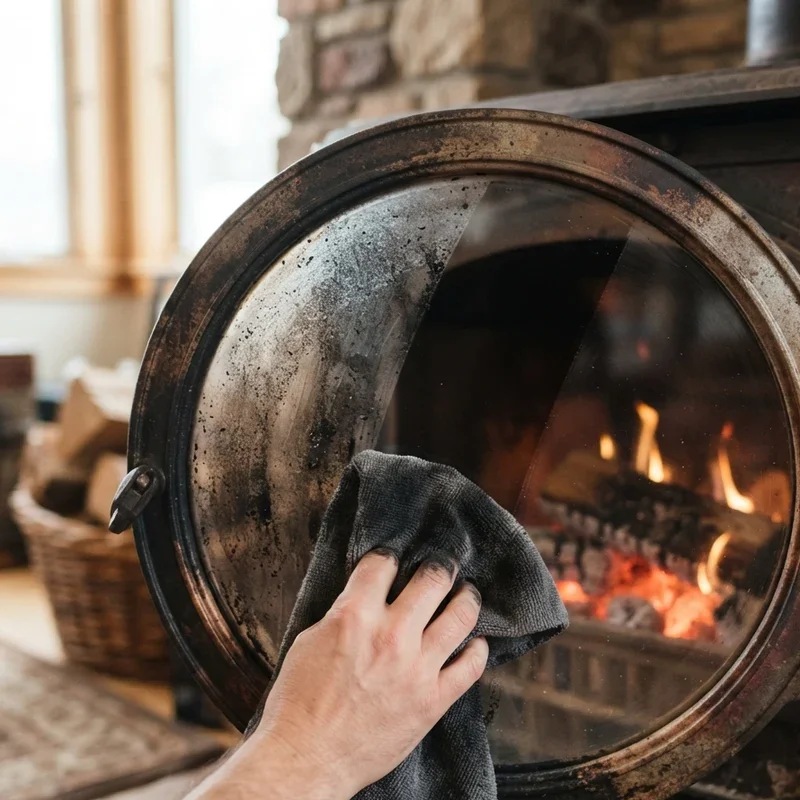
Most soot cleaning is a straightforward DIY task, but there are situations where calling in a professional is the smarter move. If your glass has extremely heavy creosote buildup that's turned into a thick, tar-like coating, home methods might not be enough. Professional chimney and fireplace services have specialized tools and stronger cleaning agents that can handle severe cases without damaging the glass.
If you notice any cracks, chips, or deep scratches in the glass during cleaning, stop immediately and consult a professional. Damaged glass can be a safety concern, especially in wood-burning fireplaces where high temperatures are involved. A professional can assess whether the glass needs replacement and ensure everything is safe before you light another fire.
Annual chimney inspections are also a good idea. A certified chimney sweep can check your entire system for creosote buildup, blockages, and other issues that contribute to excessive soot production. Addressing these root causes means less soot on your glass and a safer fireplace overall.
Other Glass Surfaces That Collect Soot
While we've been focusing on fireplace glass, the principles of how to clean soot off glass without scratching it apply to other surfaces too. Candle holders, hurricane lamps, glass lanterns, and even windows near a fireplace or wood stove can develop soot deposits over time.
For candle holders and smaller glass pieces, the vinegar soak method works beautifully. Simply fill a basin with equal parts vinegar and warm water, submerge the glass, and let it soak for thirty minutes. The soot practically falls off on its own, and a gentle wipe finishes the job.
For windows and larger glass surfaces affected by soot from nearby fires, chimney smoke, or even wildfire residue, the same spray-and-wipe technique used on fireplace glass does the trick. Just remember the golden rules. Keep the surface wet before wiping, use soft materials, and rinse your cloth constantly.
Gas fireplace glass tends to develop a white, hazy film in addition to black soot. This white residue comes from additives in the gas and requires a different approach. A commercial gas fireplace cleaner is usually the best bet for this type of buildup, as vinegar alone won't always dissolve it completely.
Conclusion
Getting soot off your glass doesn't have to be a stressful ordeal or a risky gamble with scratches. By choosing soft materials, keeping the surface wet, using gentle cleaning solutions like vinegar or baking soda, and exercising a little patience, you can restore your fireplace glass to sparkling clarity every single time. The trick is working smarter rather than harder and never rushing the process. Regular maintenance after every few fires prevents heavy buildup and keeps the job quick and easy. Treat your glass with care, and it'll reward you with a perfect view of every fire for years to come.
Read next: How to Make Stained Glass Suncatchers Step by Step
Frequently Asked Questions
1.Can I use a razor blade to scrape soot off fireplace glass?
No, razor blades can easily scratch glass surfaces and should be avoided completely.
2.Is vinegar safe for all types of fireplace glass?
Yes, diluted white vinegar is safe and effective for both tempered and ceramic glass.
3.How do I remove white haze from gas fireplace glass?
Use a commercial gas fireplace glass cleaner designed specifically for removing mineral-based white film.
4.Does burning hardwood really reduce soot buildup on glass?
Yes, seasoned hardwood burns more completely and produces significantly less soot than softwood does.
5.Can I clean fireplace glass while it is still warm?
No, always wait until the glass is completely cool to avoid burns and thermal damage.
Stay up to date with our latest ideas!