How to Drain a Washing Machine: Step-by-Step Guide
Learn how to drain a washing machine with our easy step-by-step guide. Fix standing water issues and prevent costly repairs today.
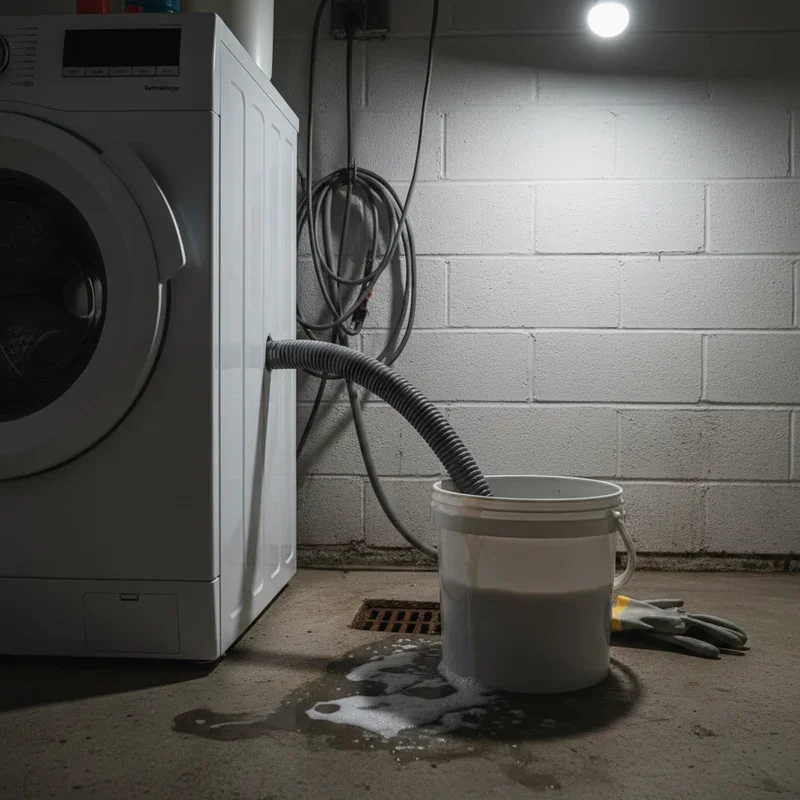
Picture this. You've just loaded the washing machine, hit start, and walked away to handle other chores. An hour later, you return expecting fresh, clean laundry only to find your clothes sitting in a pool of murky water that refuses to go anywhere. What a nightmare, right? Standing water in your washing machine is more than just an inconvenience. It's a ticking time bomb for mold growth, funky odors, and potential damage to your appliance. Plus, those wet clothes aren't going to dry themselves, and leaving them soaking is a recipe for mildew disaster. Here's the silver lining though. Learning how to drain a washing machine isn't rocket science. In fact, it's one of those essential homeowner skills that can save you a bundle on service calls while getting your laundry routine back on track in no time. Whether you're dealing with a clogged drain hose, a failed pump, or just need to move your machine without creating a flood, this guide has got you covered. We'll walk through everything from identifying the problem to executing the solution, step by careful step. And honestly, once you've done it once, you'll wonder why you ever considered calling a repair person for something this manageable. So grab some towels, maybe a bucket or two, and let's get that water out of there. Your soggy laundry is counting on you.
Why Your Washing Machine Won't Drain Properly
Before jumping into solutions, understanding what's causing the problem helps you fix it right the first time. Several culprits might be keeping that water trapped inside your machine.
Clogged Drain Hose
This is the number one offender in most cases. Over time, lint, small fabric fibers, coins, hair ties, and random pocket treasures accumulate inside the drain hose. Eventually, this buildup creates a blockage that water simply can't push through. The hose might also develop kinks or bends that restrict flow, especially if your machine got bumped or moved recently.
Faulty Drain Pump
Your washing machine relies on a pump to push water out through the drain hose. When this pump fails, water has nowhere to go. Pumps can burn out from age, get jammed by foreign objects, or simply wear down after years of faithful service. You might hear humming sounds without any water movement if the pump is struggling.
Lid Switch Problems
Here's something that catches people off guard. Many top-loading machines won't drain or spin unless the lid switch registers as closed. If this switch malfunctions, the machine thinks the lid is open and refuses to proceed with the drain cycle. Safety feature turned annoying obstacle.
Clogged Pump Filter
Front-loading machines and some newer top-loaders have pump filters designed to catch debris before it reaches the pump. When these filters get clogged, drainage slows to a crawl or stops entirely. The good news? Cleaning this filter is usually pretty straightforward once you know where to find it.
Preparing for the Drainage Process
Safety First, Always
Electricity and water make a dangerous combination, so let's not take any chances here. Before doing anything else, unplug your washing machine from the wall outlet. Don't just turn it off. Actually disconnect the power completely. This protects you from electrical shock and prevents the machine from unexpectedly starting mid-repair.
If your machine uses a gas connection for any reason, make sure you know where your gas shutoff valve is located. Better safe than sorry.
Gather Your Supplies
Having everything ready before you start makes the whole process smoother. You'll want several old towels or rags for soaking up spills. A shallow pan or baking dish catches water in tight spaces where buckets won't fit. Speaking of buckets, grab at least one large one for holding the bulk of the water.
A pair of pliers might come in handy for stubborn hose clamps. Keep a flashlight nearby for peering into dark spaces behind the machine. And honestly, wearing old clothes isn't a bad idea because this job can get messy.
Create Your Work Space
Pull the washing machine away from the wall if possible. You'll need access to the back where the drain hose connects. Lay towels on the floor around the machine to catch inevitable drips and splashes. If your laundry room has a floor drain nearby, position your towels to direct any overflow toward it.
How to Drain a Washing Machine: Step-by-Step Guide Methods
Method One: Using the Drain Hose
This approach works well for most situations and gives you the most control over where the water goes.
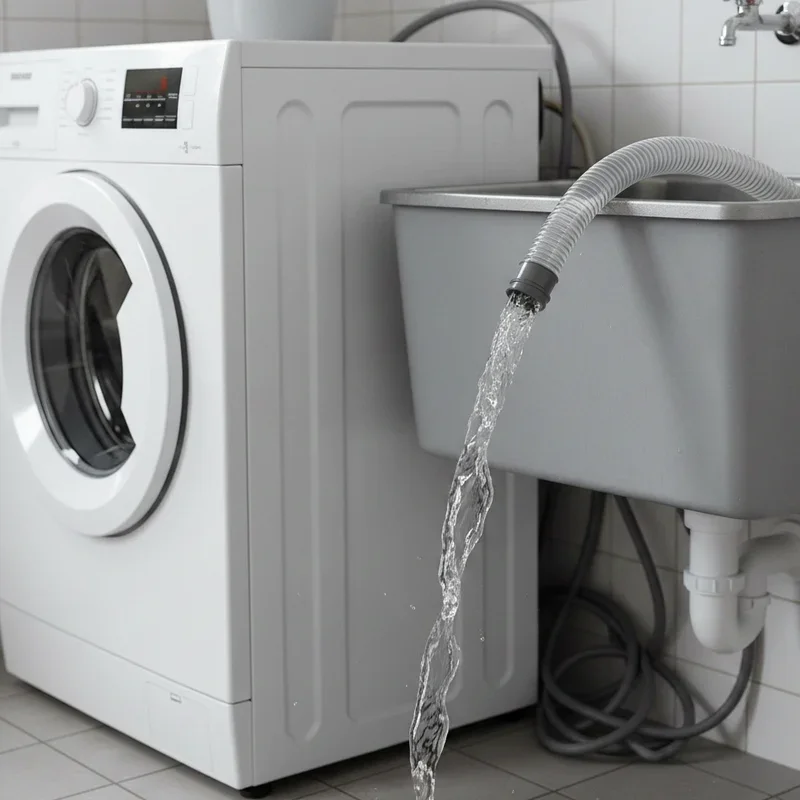
Start by locating the drain hose at the back of your machine. It's typically a corrugated gray or black hose about one inch in diameter, connected to either a standpipe, utility sink, or direct wall connection.
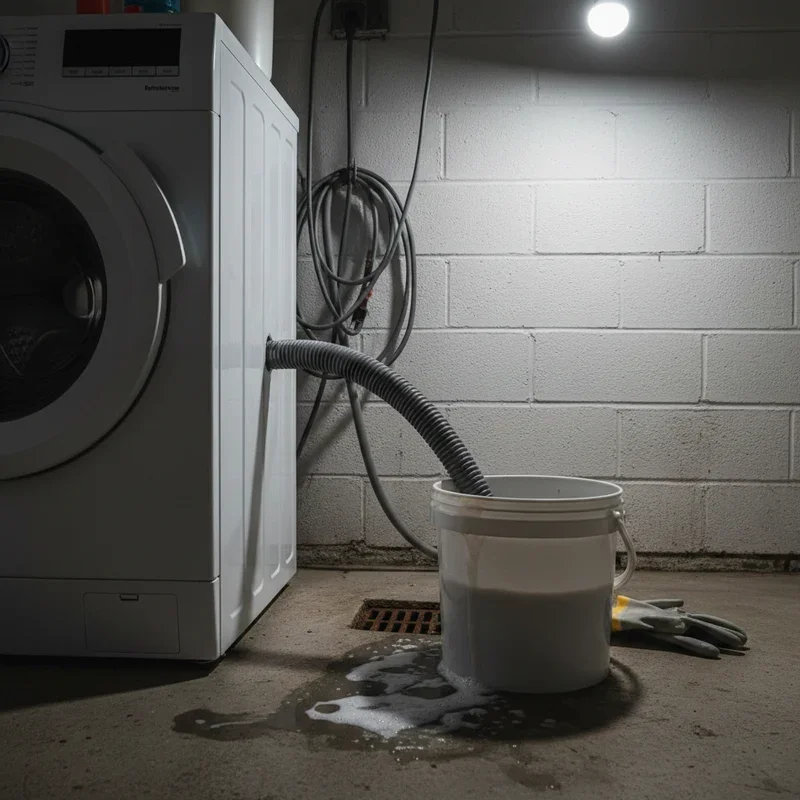
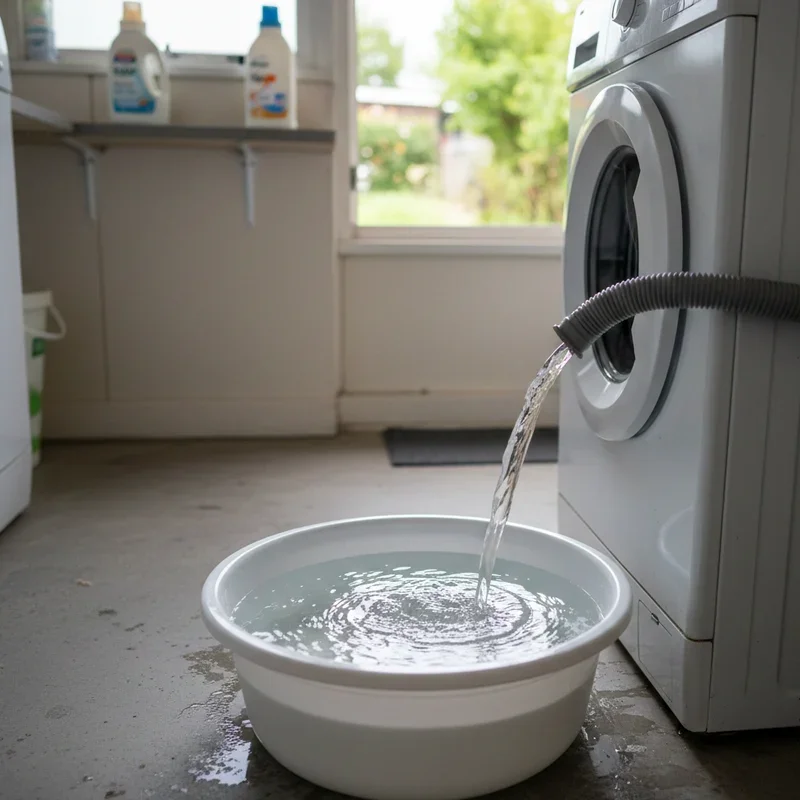
Disconnect the hose from its drainage point. Have your bucket ready because water will start flowing immediately once you lower the hose below the water level inside the machine. Gravity does all the heavy lifting here.
Lower the hose into your bucket and let the water drain out naturally. When the bucket fills up, pinch the hose to stop the flow, empty the bucket, and continue. Depending on how much water is trapped, you might need to repeat this several times.
Once the flow stops, try blowing gently through the hose to check for blockages. If air won't pass through easily, you've likely found your drainage problem. Clear the clog using a long brush or straightened wire hanger, being careful not to puncture the hose.
Method Two: Accessing the Drain Pump Filter
Front-loading machines make this surprisingly easy once you know the trick.
Look for a small access panel at the front bottom of your machine. It might be rectangular and snap off, or it could have a small screw holding it in place. Behind this panel, you'll find the drain pump filter assembly.
Before opening anything, place towels and a shallow pan directly under the panel. There's going to be water, and it comes out faster than you'd expect.
Many machines have a small drain tube next to the filter cap. If yours has one, pull it out, remove the plug, and let water drain slowly into your pan. This controlled release beats the alternative of water gushing everywhere when you open the main filter.
Once most water has drained through the tube, slowly unscrew the filter cap counterclockwise. Go slowly because more water will come out. Remove the filter completely and inspect it for debris. You'll probably find a lovely collection of lint, coins, bobby pins, and mystery items you forgot were in your pockets six months ago.
Clean the filter thoroughly under running water. Check inside the filter housing with a flashlight and remove any debris stuck in there. Replace the filter, secure the cap, and snap the access panel back into place.
Method Three: Manual Bail Out
Sometimes the simple approaches work best, even if they're not glamorous.
If other methods aren't feasible or you need to remove water quickly, grab a cup or small container and start bailing. Yes, it's tedious. Yes, it takes a while. But it gets the job done when nothing else will.
For top-loaders, you can reach right in and scoop water into a bucket. Front-loaders require opening the door carefully. Keep in mind that opening a front-loader door releases all the water at once if you haven't drained it first, so be prepared for a potential flood.
Use towels to soak up the remaining water once levels get too low for scooping. Wring the towels into a bucket and repeat until the drum is dry.
Method Four: Using the Machine's Drain Cycle
Worth trying before resorting to manual methods, especially if the machine hasn't completely given up.
Plug the machine back in and select the drain or spin cycle. On many machines, you can access this by turning the dial to spin only or by pressing specific button combinations. Check your owner's manual for exact instructions.
If the pump is working but drainage is slow, this cycle might push through minor clogs. Listen for the pump engaging. If you hear it humming but no water moves, the pump might be jammed or failed. If you hear nothing at all, electrical issues or a completely dead pump could be the problem.
Troubleshooting Persistent Drainage Issues
Checking for Kinks and Bends
With the machine pulled away from the wall, trace the entire length of the drain hose. Look for any sharp bends, kinks, or spots where the hose might be pinched between the machine and wall. Even small restrictions can significantly slow drainage.
The drain hose should make gentle curves, not sharp angles. If you find a kink, straighten it out and secure the hose so it can't bend that way again. Sometimes relocating the hose to a different path solves chronic kinking problems.
Inspecting the Standpipe
If your drain hose connects to a standpipe, blockages might be hiding in there rather than in the hose itself. Disconnect the hose and shine a flashlight into the standpipe. Pour some water in and watch whether it drains freely.
Slow standpipe drainage indicates a clog further down the line. A drain snake can often clear these blockages. If the problem persists, the main drain line might need professional attention.
Testing the Drain Pump
With the machine empty and unplugged, you can access the pump on most models by removing the back panel. Look for the pump near the bottom of the machine. Check for obvious obstructions in the impeller, which is the fan-like component inside the pump.
Try spinning the impeller by hand. It should rotate freely with slight resistance. If it's jammed solid or spins with no resistance at all, pump replacement might be necessary.
Understanding How to Drain a Washing Machine: Step-by-Step Guide for Different Models
Top-Loading Washers
Traditional top-loaders are generally easier to drain manually because you can access the drum directly from above. The drain hose method works particularly well here, and bailing out water requires no special considerations beyond having a sturdy step stool if the machine is tall.
Many top-loaders have a drain hose conveniently coiled at the back. Some models even have a secondary drain port near the bottom front specifically for emergency drainage. Check your manual to see if your machine has this feature.
Front-Loading Washers
Front-loaders hold water behind a sealed door, which makes drainage trickier but not impossible. The pump filter method described earlier is your best friend with these machines. Most front-loaders include this feature specifically because the alternative is messy.
Never open a front-loader door when water remains inside unless you've prepared for a flood. The door seal holds back all that water, and releasing it happens instantaneously once the door opens.
High-Efficiency Models
Modern high-efficiency washers use less water overall, which means less to drain when problems occur. However, their complex electronic controls can be finicky about letting you run drain cycles independently.
Consult your owner's manual for diagnostic modes and service cycles. Many HE machines have hidden maintenance modes that let you force a drain cycle even when sensors think something is wrong.
Preventing Future Drainage Problems
Nobody wants to repeat this experience more than necessary. A few simple habits keep your washing machine draining properly for years.
Check pockets thoroughly before loading clothes. Coins, tissues, small toys, and random debris cause most pump clogs. Consider using mesh laundry bags for items that shed a lot of lint or have small detachable parts.
Clean your pump filter monthly if your machine has one. This takes two minutes and prevents the gradual buildup that leads to complete blockages.
Run a cleaning cycle with washing machine cleaner or plain white vinegar once a month. This dissolves soap residue and buildup inside the drum and drain system.
Leave the door slightly open between washes to prevent moisture buildup that can cause mold and mildew growth. This also helps rubber seals last longer.
Inspect the drain hose periodically for wear, cracks, or developing kinks. Replacing a worn hose before it fails completely is much easier than dealing with a flooded laundry room.
When Professional Help Makes Sense
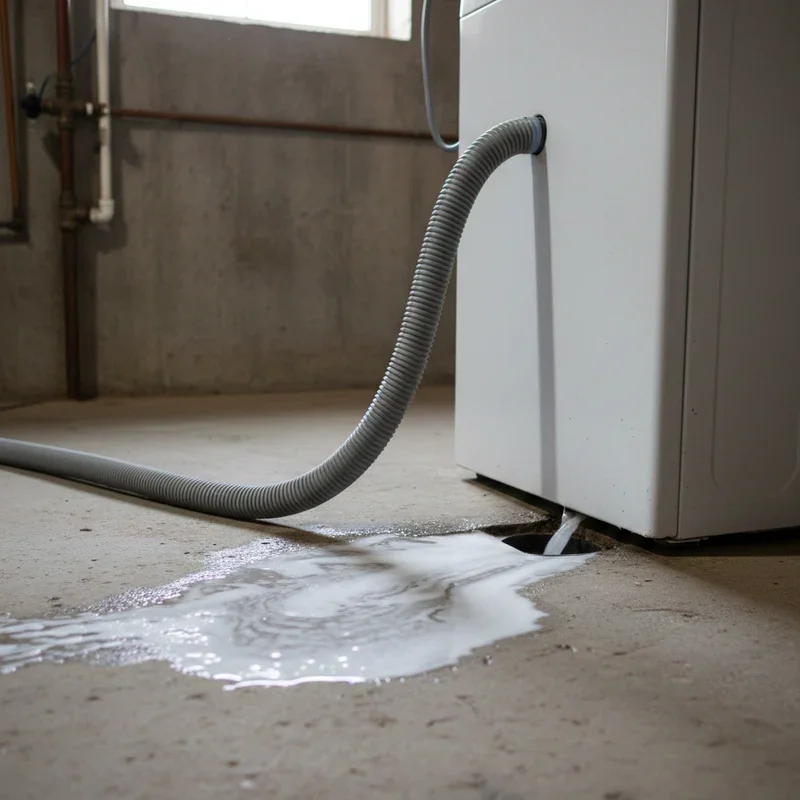
Some situations genuinely require a trained technician. If you've tried everything and water still won't drain, the problem might involve internal components beyond DIY repair. Strange burning smells or visible damage to electrical components mean stop immediately and call for help.
Warranty considerations matter too. If your machine is still under warranty, attempting certain repairs yourself might void that coverage. Check your warranty terms before diving deep into component repair.
Persistent drainage problems that keep returning despite your best efforts suggest underlying issues that need professional diagnosis. Sometimes what seems like a simple clog is actually a symptom of pump failure, control board issues, or plumbing problems beyond the machine itself.
Conclusion
Mastering how to drain a washing machine empowers you to handle common laundry emergencies without panic or expensive service calls. From using the drain hose to clearing pump filters, these straightforward techniques solve most standing water problems effectively. Regular maintenance prevents future issues and keeps your machine running smoothly for years. Remember, a little preparation and the right approach turn this seemingly daunting task into a manageable home repair anyone can accomplish.
Read next: How to Clean Bathroom Sink Drain in Simple Steps
Frequently Asked Questions
1.How long does it take to drain a washing machine manually?
Manual draining typically takes fifteen to thirty minutes depending on water volume and chosen method.
2.Can standing water damage my washing machine permanently?
Yes, prolonged standing water causes mold growth, rust, and potential damage to electrical components.
3.Why does my washing machine keep filling with water after draining?
A faulty water inlet valve or drain hose positioned incorrectly often causes continuous filling.
4.Should I call a plumber or appliance repair technician?
Call an appliance technician for machine problems and a plumber for household drain line issues.
5.How often should I clean my washing machine drain filter?
Clean the drain filter monthly to prevent buildup and maintain proper drainage performance consistently.
Stay up to date with our latest ideas!