Discover why would a light bulb explode with common causes explained, from power surges to loose sockets and moisture damage.
You're sitting in your living room, minding your own business, when suddenly there's a loud pop above your head and glass rains down from the ceiling fixture. Your heart skips a beat, the room goes dark, and you're left standing there wondering what on earth just happened. An exploding light bulb is one of those household events that catches you completely off guard every single time. It's startling, it's messy, and if you're unlucky enough to be standing right underneath when it happens, it can actually be dangerous. But why does it happen? Light bulbs seem like such simple, harmless things. You screw them in, flip the switch, and they glow. So what could possibly go wrong enough to make one burst apart like a tiny grenade? Well, as it turns out, quite a few things. Understanding why would a light bulb explode and the common causes behind it gives you the knowledge to prevent it from happening again. And trust me, once you've had glass shards scattered across your kitchen counter or embedded in your carpet, prevention becomes a top priority real quick. Let's break down all the reasons this happens, what's going on inside that little glass envelope, and how you can protect yourself and your home from future blowouts.
The Basics What's Happening Inside a Light Bulb
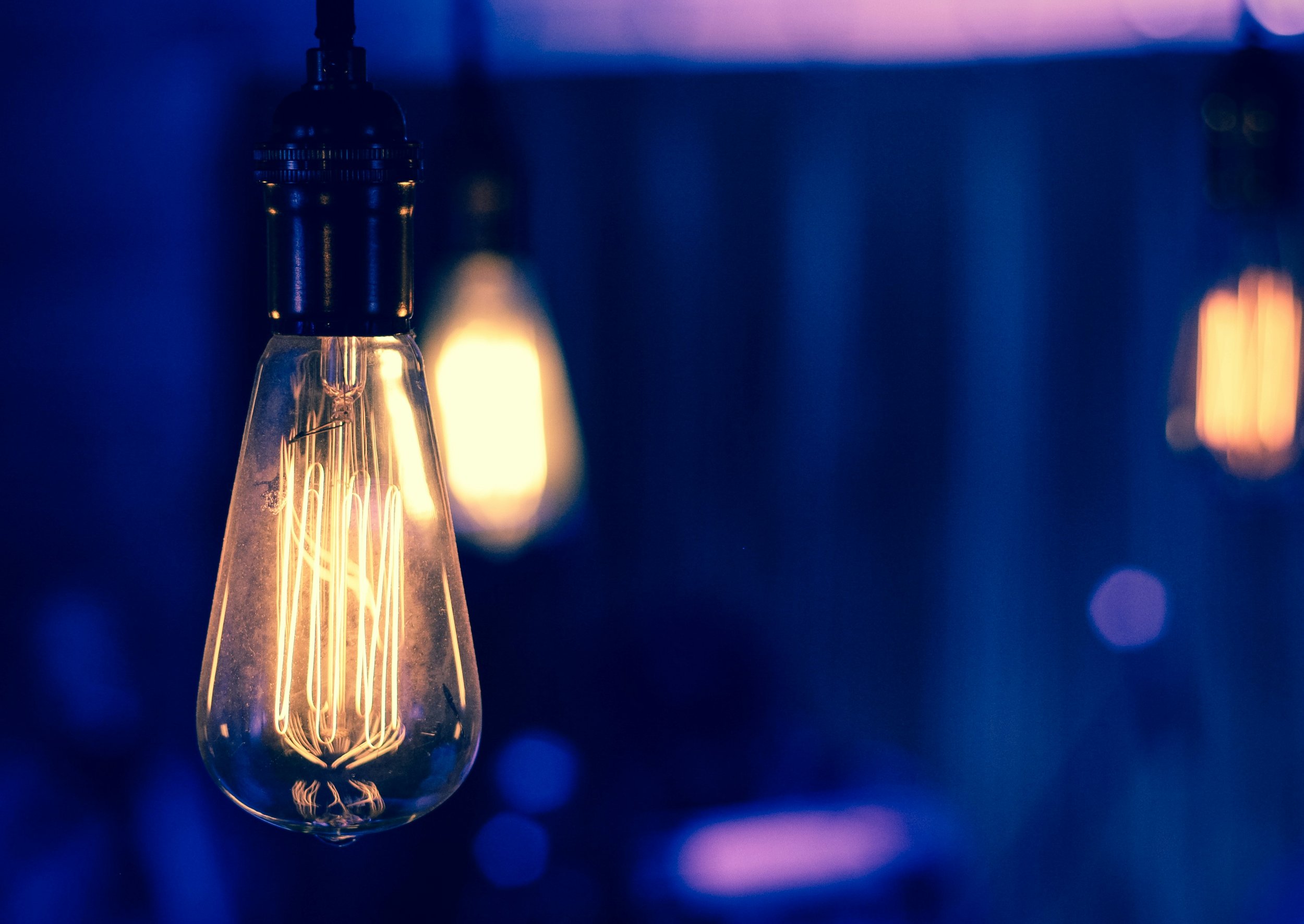
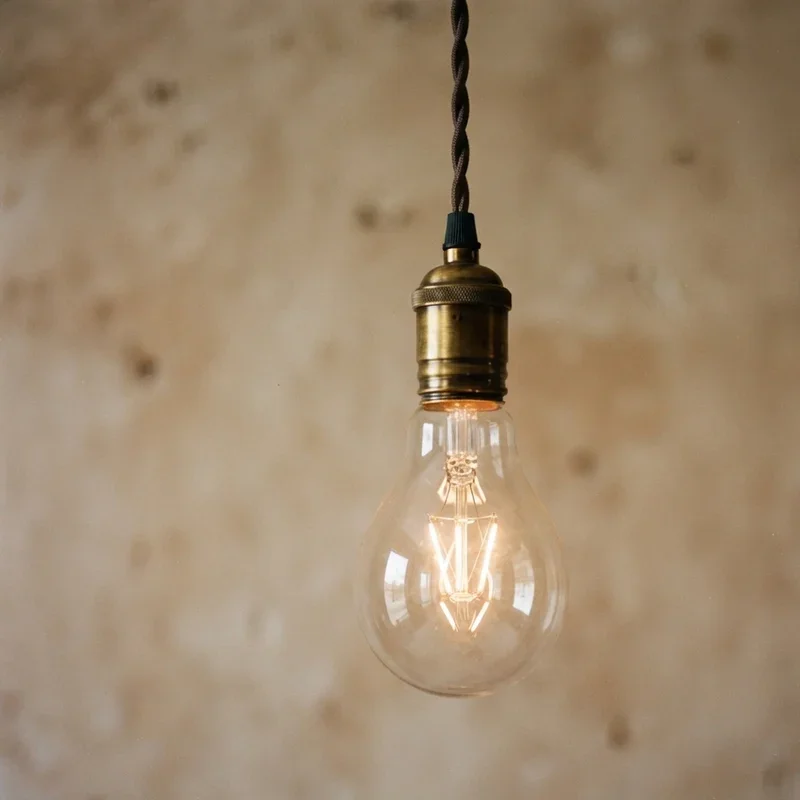
To understand why bulbs explode, it helps to know a little about how they work in the first place. A traditional incandescent bulb is basically a sealed glass shell filled with inert gas, usually argon or nitrogen, with a thin tungsten filament stretched across the inside. When electricity flows through that filament, it heats up to extremely high temperatures and produces light. The gas inside keeps the filament from burning up instantly, while the glass shell contains everything and protects the delicate internals from the outside environment.
Now here's where things get interesting. That glass shell is surprisingly thin. It has to be thin enough to let light pass through efficiently, but that means it's also vulnerable to stress. Pressure changes inside the bulb, manufacturing flaws, excessive heat, and external forces can all push that thin glass past its breaking point. When it goes, it doesn't just crack quietly. The pressure difference between the inside and outside of the bulb can cause it to shatter outward, sending fragments flying. That's the "explosion" you hear and see, and it's every bit as dramatic as it sounds even though the physics behind it are pretty straightforward.
LED and CFL bulbs work differently than incandescent ones, but they can also fail in spectacular fashion under certain conditions. We'll cover those too, because no bulb type is completely immune to this problem.
Why Would a Light Bulb Explode? Common Causes Broken Down
Let's get into the meat of it. There are several well-documented reasons why light bulbs explode, and most of them are entirely preventable once you know what to look for.
Power Surges and Voltage Spikes
This is one of the most frequent culprits behind exploding bulbs, and it's one that many homeowners don't even consider. Your home's electrical system is designed to deliver power at a consistent voltage, typically around 120 volts in North America. But that voltage isn't always steady. Power surges caused by lightning strikes, utility company switching, or even large appliances cycling on and off in your home can send brief spikes of higher voltage through your wiring.
When a surge hits, the filament inside an incandescent bulb receives more current than it's designed to handle. That extra energy superheats the filament, which in turn rapidly heats the gas inside the bulb. The sudden pressure increase can overwhelm the glass envelope, and boom. You've got an exploded bulb and a mess on your hands.
Homes in areas with unstable power grids or frequent thunderstorms tend to experience this more often. If you notice that bulbs in your house blow out or explode regularly, power quality might be the underlying issue rather than bad luck with bulb purchases.
The fix here is relatively simple. Whole-house surge protectors installed at your electrical panel can filter out voltage spikes before they reach your fixtures. Individual surge protectors on sensitive circuits help too. And if you're in an area with consistently unreliable power, consider having an electrician evaluate your home's electrical system for any vulnerabilities.
Loose or Poorly Connected Sockets
Here's a cause that flies under the radar but accounts for a surprising number of bulb explosions. When a light bulb isn't screwed in tightly enough, or when the socket's internal tab has been pushed too flat, the electrical connection between the bulb and the fixture becomes inconsistent. Instead of flowing smoothly, electricity arcs across the tiny gap between the bulb's base and the socket contact.
That arcing generates intense localized heat. Over time, it can heat the base of the bulb to extreme temperatures while the rest of the glass remains relatively cool. Glass doesn't handle uneven temperature distribution well at all. The thermal stress created by one hot spot surrounded by cooler glass can cause the bulb to crack and then shatter. Essentially, the bulb tears itself apart from the inside because different sections are expanding at different rates.
You can sometimes spot this problem before it escalates. If a bulb flickers, buzzes, or seems dimmer than usual, a loose connection might be the reason. Turn off the power to that fixture, let everything cool down, and try gently pulling up the small metal tab at the bottom of the socket. That tab should stick up enough to make firm contact with the base of the bulb when you screw it in. If it's been pushed completely flat, grab a flat head screwdriver, turn off the breaker, and carefully bend the tab back up about a quarter of an inch.
Manufacturing Defects
Not every light bulb that leaves the factory is perfect. Mass production means that occasionally, a bulb slips through quality control with a flaw. Maybe the glass envelope has a thin spot. Maybe the seal between the glass and the metal base isn't airtight. Maybe there's a tiny crack that's invisible to the naked eye but just waiting for heat and pressure to finish the job.
A compromised seal is particularly problematic because it lets outside air seep into the bulb. Remember, the gas inside a bulb is there to protect the filament. When air gets in, the oxygen reacts with the superheated tungsten filament and causes it to burn through much faster than normal. As the filament deteriorates, tiny pieces of hot tungsten can land on the glass and create stress points. Combine that with the pressure change from the air leak, and the bulb can fail violently.
Manufacturing defects are essentially random, and there's not much you can do to prevent them. But buying bulbs from reputable brands with solid quality control standards reduces the risk considerably. Bargain-bin bulbs from unknown manufacturers might save you fifty cents per bulb, but they tend to have higher defect rates. That's a trade-off that's not really worth making when safety is on the line.
Excess Moisture and Humidity
Water and electricity are a notoriously bad combination, and light bulbs are no exception to that rule. When moisture contacts a hot bulb, the result can be explosive. The sudden temperature difference between the hot glass and the cool water creates thermal shock, and glass that's been uniformly heated can't handle the rapid, uneven cooling. The stress causes the glass to fracture instantly.
This doesn't just happen with direct water contact. High humidity environments like bathrooms, covered porches, and basements can allow condensation to form on bulbs, especially when the bulb is turned off and cools down. When you flip the switch again, that moisture gets trapped between the hot glass and the fixture, and thermal shock kicks in.
Outdoor fixtures are particularly vulnerable. Rain, snow, dew, and sprinkler overspray can all introduce moisture to bulbs that aren't properly protected by enclosed fixtures. Even fixtures that look weatherproof can develop gaps in their seals over time, letting water creep in and wreak havoc.
For wet or humid locations, use bulbs and fixtures rated for damp or wet environments. These are specifically designed to handle moisture exposure. Check the fixture's rating, usually stamped on a label inside the housing, and match it with appropriate bulbs. It's also worth replacing any weatherstripping or gaskets on outdoor fixtures that have deteriorated with age.
Using the Wrong Wattage
Every light fixture has a maximum wattage rating, and it's printed right there on the socket or inside the fixture housing for a reason. Exceeding that rating is one of the most common and most preventable causes of bulb failures, including explosions. When you put a 100-watt bulb in a fixture rated for 60 watts, the fixture can't dissipate the extra heat generated by the higher-wattage bulb. That heat builds up inside the enclosed space of the fixture, raising the temperature of the bulb well beyond what it was designed to handle.
Overheating weakens the glass, degrades the seal between the base and the envelope, and can cause the gas pressure inside to increase to dangerous levels. Eventually, something gives. And when it does, it tends to give all at once rather than gradually.
This is an incredibly easy problem to avoid. Just check the wattage rating on your fixture before buying bulbs, and never exceed it. If you want more light output without more heat, switch to LED bulbs. They produce equivalent brightness at a fraction of the wattage. A 10-watt LED can match the light output of a 60-watt incandescent while generating significantly less heat.
Vibration and Physical Stress
Bulbs in high-vibration environments live hard lives. A fixture mounted on a ceiling fan, a garage door opener, a workshop with heavy machinery, or even a room above a laundry area with an unbalanced washer all subject their bulbs to constant shaking. That vibration weakens the filament over time, causing it to break prematurely. When a hot filament snaps, the broken ends can swing and touch the glass, creating an instant hot spot that shatters the envelope.
Vibration also loosens the bulb in its socket, which circles back to the arcing and poor connection issues we discussed earlier. It's a double threat that can dramatically shorten a bulb's lifespan and increase the chance of a violent failure.
Rough service bulbs are specifically manufactured with reinforced filaments and thicker glass to handle vibration-prone environments. If you've been popping regular bulbs in fixtures that vibrate, switching to rough service versions or shatter-resistant LED bulbs solves the problem. LED bulbs are naturally more vibration-resistant because they don't have delicate filaments, making them an excellent choice for fans, garages, and any location where shaking is a regular occurrence.
Cheap or Counterfeit Bulbs
The light bulb market has its share of knock-offs and substandard products, especially in online retail. Counterfeit bulbs might look identical to name-brand products on the outside, but the materials and construction inside tell a very different story. Thinner glass, cheaper solder, lower-quality filaments, and improperly mixed fill gas all contribute to bulbs that are prone to premature and sometimes explosive failure.
Some counterfeit LED bulbs use inadequate driver circuits that can overheat and even melt. While an LED bulb doesn't explode in the same way an incandescent does, a failing LED driver can produce smoke, a burning smell, and in rare cases, actual flames. It's not the glass-shattering drama of an incandescent blowout, but it's arguably more dangerous because of the fire risk.
Stick with recognized brands and purchase from authorized retailers. If a deal seems too good to be true, it probably is. A four-pack of LED bulbs for a dollar might save money upfront, but the potential safety hazards make it a false economy.
Oil From Your Fingers on Halogen Bulbs
Here's one that catches a lot of people by surprise. If you've ever handled a halogen bulb with bare hands, you might have unknowingly set it up for failure. The natural oils on your skin leave invisible fingerprints on the glass envelope. When the bulb heats up, those oils create hot spots on the glass surface. The area under the fingerprint heats up faster than the surrounding glass, creating the same kind of thermal stress that leads to shattering.
Halogen bulbs run much hotter than standard incandescent bulbs, which is why this problem is specific to them. A fingerprint on a regular 60-watt bulb probably won't cause an explosion. The same fingerprint on a 300-watt halogen bulb very well might.
Always handle halogen bulbs with a clean cloth or gloves. If you do accidentally touch the glass, wipe it down with rubbing alcohol before installing it. It takes ten seconds and could prevent a genuinely dangerous situation.
What to Do When a Bulb Explodes
If a bulb does blow out on you, safety comes first. Don't touch anything with bare hands. Glass fragments can be razor-sharp and nearly invisible on certain surfaces. Turn off the light switch immediately and let the fixture cool down before attempting to deal with the situation. If the base of the exploded bulb is still stuck in the socket, you'll need to remove it carefully.
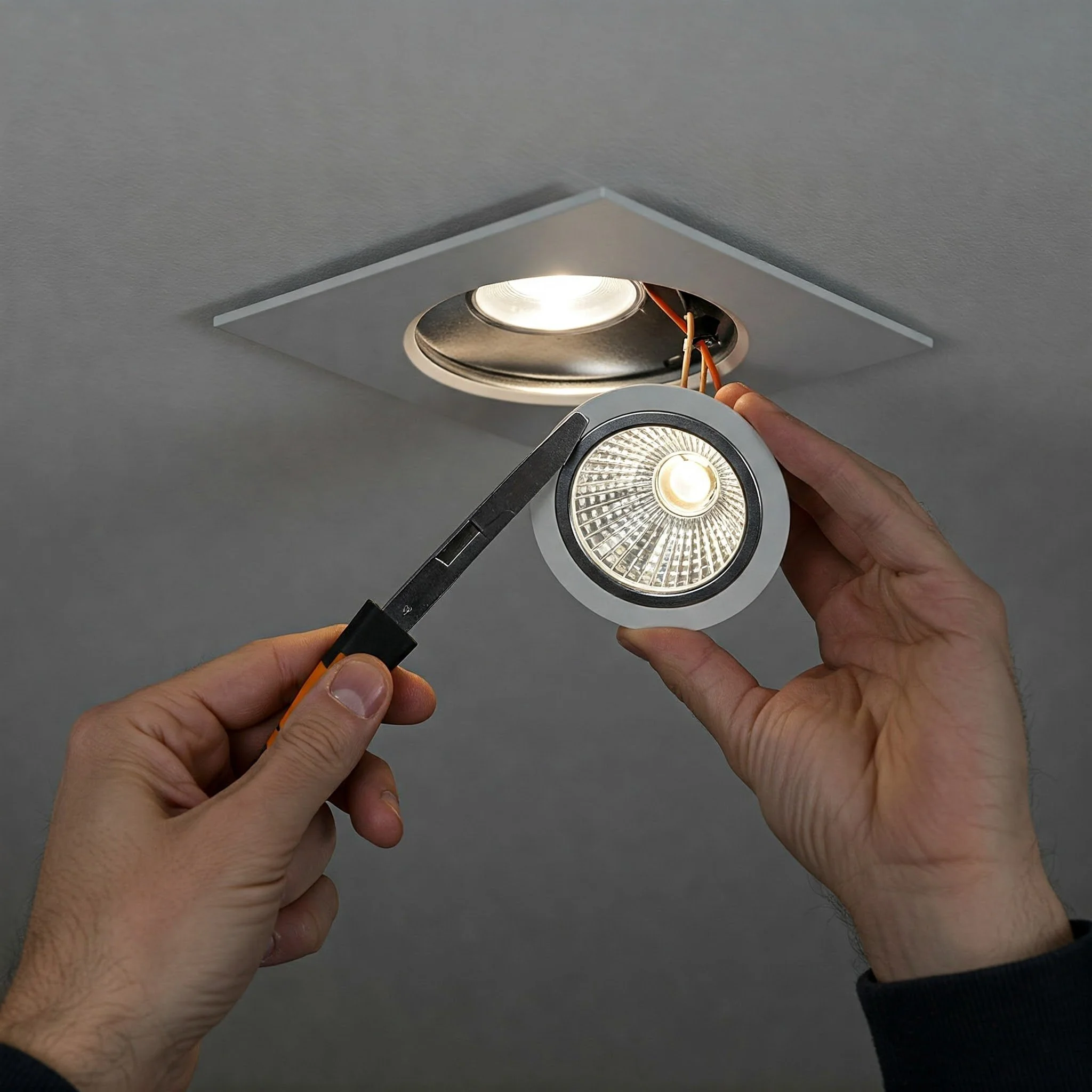
Kill the power at the breaker, not just the light switch. This eliminates any risk of electrical shock. Use a pair of needle-nose pliers to grip the edge of the metal base and twist it out counterclockwise. Some people use a raw potato cut in half. Just press the flat end into the broken base, and the soft potato grips the metal enough to twist it out. It sounds ridiculous, but it works like a charm.
Clean up all the glass thoroughly. Sweep hard floors with a broom, then follow up with a damp paper towel to catch tiny shards. For carpet, use the hose attachment on your vacuum and go over the area multiple times. Those tiny glass slivers love hiding in carpet fibers and they'll find your bare feet weeks later if you don't get them all.
Preventing Future Explosions Practical Steps
Now that you know why would a light bulb explode and the common causes behind it, prevention is all about addressing each risk factor in your home.
Invest in quality bulbs from reputable manufacturers. Check your fixture wattage ratings and never exceed them. Make sure bulbs are screwed in firmly and that socket connections are solid. Use rated fixtures in damp and wet locations. Install surge protection, either whole-house or at the circuit level. Handle halogen bulbs with a cloth. And switch to LED bulbs wherever possible, since they run cooler, last longer, and don't have fragile filaments that are prone to catastrophic failure.
Regular inspection of your fixtures helps too. Peek inside the socket every time you change a bulb. Look for discoloration, corrosion, or signs of arcing. These are early warning signs that something isn't right, and addressing them before a bulb explodes is infinitely easier than cleaning up after one does.
If bulbs in a specific fixture keep failing, the problem is likely the fixture itself rather than bad bulbs. Wiring issues, socket degradation, or insufficient ventilation within the fixture can all cause repeated failures. Having an electrician inspect a problematic fixture is worth the service call if it saves you from replacing bulbs every few weeks and worrying about the next blowout.
Do LED Bulbs Explode Too?
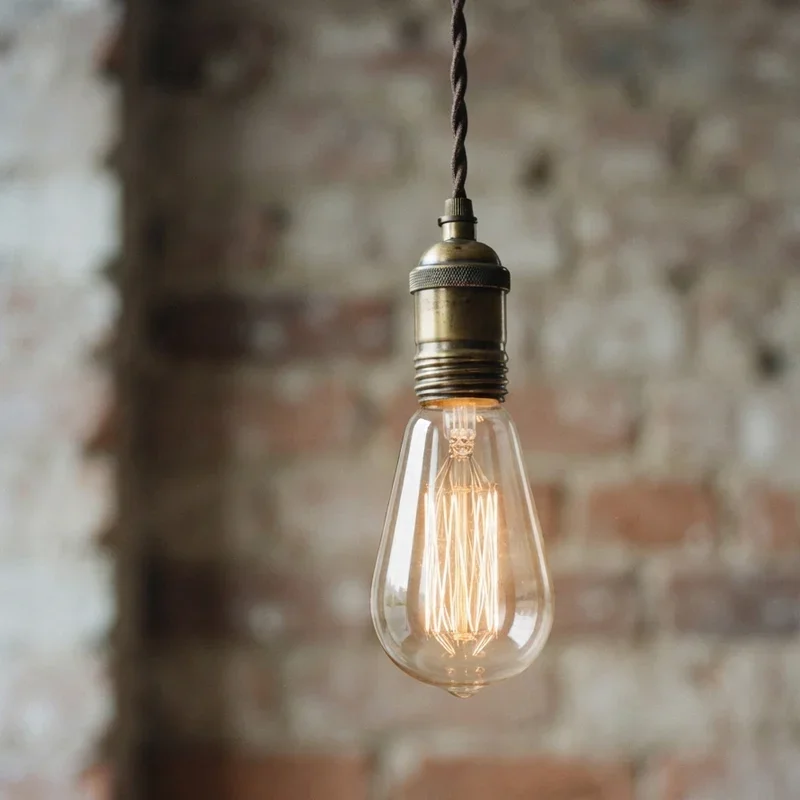
LED bulbs are much less likely to explode than incandescent or halogen bulbs, but they're not completely immune. Since LEDs don't use a filament or contain pressurized gas, the classic glass-shattering explosion is extremely rare. However, LED bulbs can fail due to overheating driver circuits, especially in enclosed fixtures that trap heat. A poorly ventilated enclosed fixture combined with a cheap LED bulb is a recipe for trouble.
When an LED fails, it usually just stops working. But in worst-case scenarios with low-quality drivers, the electronic components inside can overheat to the point of melting, smoking, or even catching fire. This is less dramatic than an incandescent explosion but potentially more dangerous.
Using LED bulbs rated for enclosed fixtures in enclosed applications and sticking with quality brands keeps this risk extremely low. Most reputable LED manufacturers clearly label their products as suitable or unsuitable for enclosed fixtures, so check the packaging before buying.
Conclusion
Why would a light bulb explode? Common causes range from power surges and loose connections to moisture exposure, excessive wattage, and manufacturing flaws. While the experience is startling and the cleanup is annoying, most explosions are preventable with a few simple precautions. Using quality bulbs, matching wattage ratings, maintaining good socket connections, and switching to LEDs wherever possible dramatically reduces the risk. A little awareness goes a long way toward keeping your fixtures safe and your floors free of glass shards.
Frequently Asked Questions
1.Can an exploding light bulb start a house fire?
Yes, hot glass fragments landing on flammable materials nearby could potentially ignite and start a fire.
2.Are LED bulbs safer than incandescent bulbs?
Yes, LED bulbs run much cooler and lack fragile filaments, making them significantly less explosion-prone.
3.Why do my light bulbs keep exploding in the same fixture?
The fixture likely has a wiring issue, poor ventilation, or a damaged socket causing repeated failures.
4.Is it safe to touch a halogen bulb with bare hands?
No, skin oils create dangerous hot spots on the glass that can cause the bulb to shatter.
5.Should I call an electrician if a bulb explodes?
Call one if bulbs explode repeatedly in the same fixture or if you suspect electrical wiring problems.
Stay up to date with our latest ideas!