How Long to Build a House: Average Timelines Explained
Discover how long to build a house with average timelines explained. From permits to move-in day, understand realistic construction schedules.
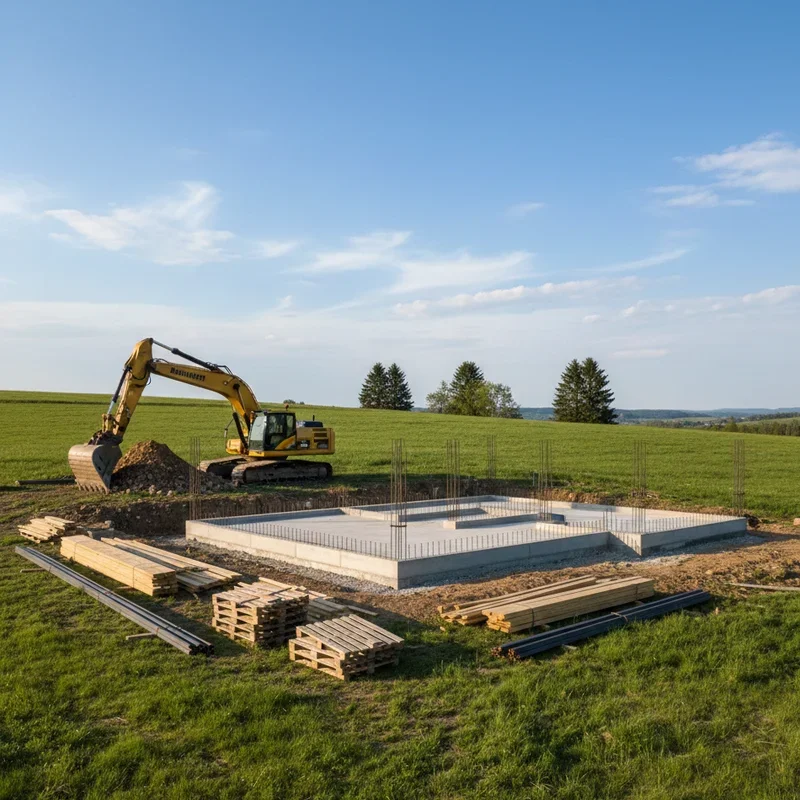
So you've decided to build your dream home from the ground up! That's exciting news, but here comes the million-dollar question that every future homeowner asks: just how long is this whole process going to take? The answer, as you might suspect, isn't exactly straightforward. Building a house involves more variables than a calculus equation, and timelines can stretch or shrink based on dozens of factors you might never have considered.
The anticipation of moving into a brand-new home, one that's designed exactly to your specifications, is absolutely thrilling. But let's be real here: waiting for construction to finish while paying rent somewhere else or living with relatives can test anyone's patience. Understanding realistic timelines helps set proper expectations and keeps frustration at bay when inevitable delays pop up.
Here's the truth that builders sometimes hesitate to share: most construction projects take longer than initially estimated. Weather delays, permit snags, material shortages, and scheduling conflicts all conspire to extend timelines beyond original projections. Knowing this upfront helps you plan accordingly rather than being blindsided by setbacks.
This comprehensive How Long to Build a House: Average Timelines Explained guide breaks down each construction phase so you'll know exactly what to expect. From that first architectural sketch to the moment you turn your new house key, we're covering every step along the journey. Ready to understand what you're signing up for? Let's build some knowledge!
The Quick Answer: Average Construction Times
National Averages by Numbers
According to Census Bureau data, the average single-family home takes approximately seven to eight months to build once construction actually begins. However, and this is crucial, that timeline doesn't include the pre-construction phase involving design, permitting, and site preparation. Add those elements, and you're looking at ten to sixteen months total from concept to completion.
Custom homes typically require longer timelines than production homes built by large developers. When you're making individual design decisions and incorporating unique features, each choice adds time to the process. Production builders who construct similar floor plans repeatedly can move faster because they've streamlined their processes.
Geographic location significantly impacts construction duration too. Building in areas with harsh winters means weather delays are practically guaranteed. Regions with complex permitting requirements add weeks or months to pre-construction phases. Hot housing markets often face contractor availability issues that extend timelines further.
Why Estimates Vary So Widely
You'll hear wildly different numbers when asking builders about construction timelines, and there's good reason for the variation. A simple ranch home on flat terrain with standard finishes might complete in five months. An elaborate custom home with complex architecture, challenging lot conditions, and high-end finishes could take eighteen months or more.
The size of your home matters enormously. A modest 1,500 square foot home completes much faster than a sprawling 4,000 square foot residence simply because there's less of everything to construct. More square footage means more foundation work, more framing, more roofing, more everything.
Your finish level selections also dramatically affect timelines. Standard builder-grade materials install quickly because contractors work with them constantly. Custom millwork, imported tiles, specialty fixtures, and unique architectural details require more careful installation and often involve special ordering with extended lead times.
Pre-Construction Phase: The Hidden Timeline
Design and Planning
Before a single shovel hits dirt, months of design work must occur. Working with architects or selecting and modifying builder plans typically takes one to three months depending on project complexity. Custom architectural design from scratch requires the longer end of that range, while choosing from existing floor plans speeds things considerably.
During this phase, you'll make countless decisions about layout, room sizes, exterior appearance, and major features. Rushing these choices to save time often backfires later when expensive changes become necessary mid-construction. Take the time needed to get your design right.
Engineering work happens concurrently or immediately following design completion. Structural engineers verify that architectural plans translate into buildable, safe structures. Civil engineers address site grading, drainage, and utility connections. These professionals need two to four weeks minimum to complete their assessments.
Permits and Approvals
Oh boy, here's where timelines can really balloon unexpectedly! Permit acquisition ranges from two weeks to six months depending on your local jurisdiction. Some municipalities process permits quickly with minimal fuss. Others require multiple reviews, revisions, and approvals that drag on frustratingly.
Building permits, septic permits, well permits, environmental permits, and homeowner association approvals may all be necessary before construction begins. Each agency operates on its own schedule, and some don't accept applications until others have granted approval. This sequential process adds time that's largely outside your control.
Hot housing markets often have overwhelmed permitting departments processing unprecedented application volumes. When everyone's building simultaneously, permit wait times extend accordingly. Factor this reality into your planning, especially in fast-growing areas.
Site Preparation and Land Work
Assuming you've purchased undeveloped land, site preparation adds another layer of timeline complexity. Land clearing, tree removal, and rough grading typically take one to two weeks for straightforward lots. Heavily wooded properties or challenging terrain require longer.
Utility connections to municipal water, sewer, electricity, and gas must be coordinated with various providers. Each utility company operates independently, scheduling their work according to their own availability. Rural properties requiring wells and septic systems need even more extensive preparation time.
Soil testing and foundation engineering ensure your home sits on stable ground. Poor soil conditions might require excavation and replacement, additional drainage systems, or specialized foundation designs that extend both timeline and budget.
How Long to Build a House: Average Timelines Explained by Construction Phase
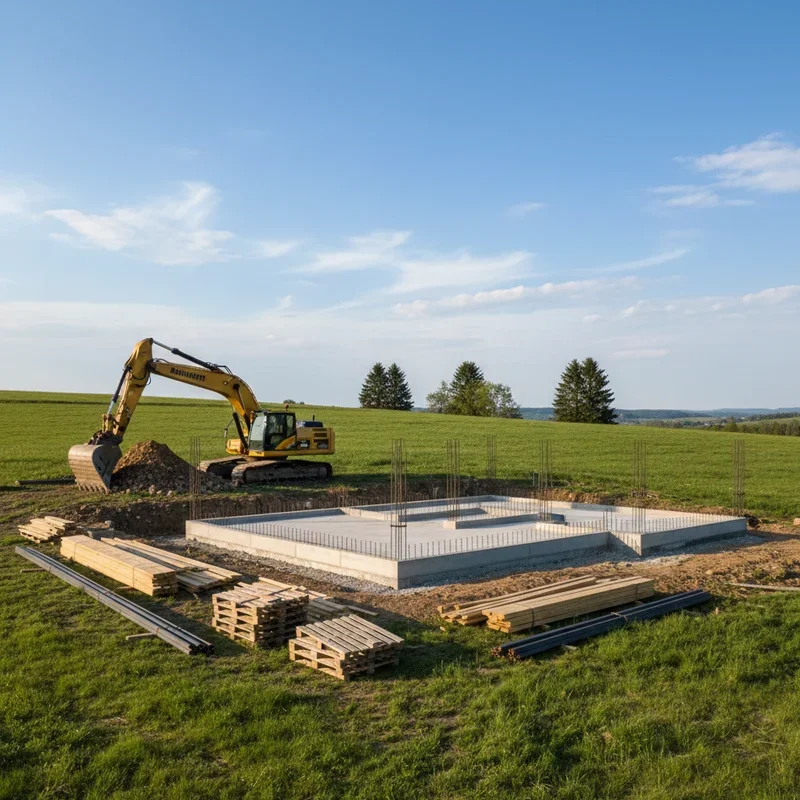
Foundation Work: 2 to 4 Weeks
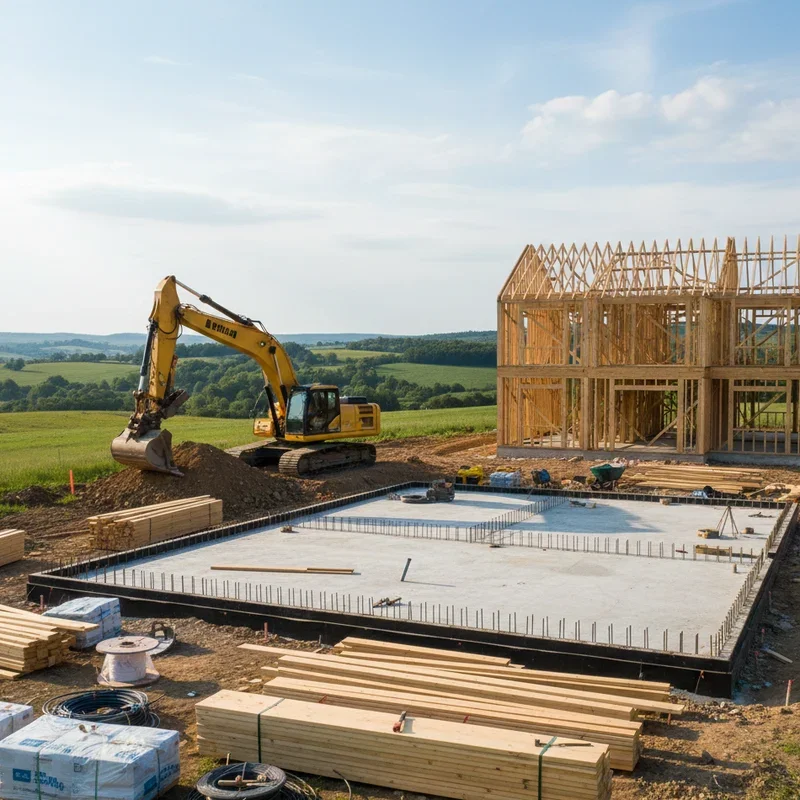
Once construction officially begins, foundation work comes first. The timeline depends heavily on foundation type and soil conditions. Standard slab foundations on good soil might complete in two weeks. Full basements or challenging conditions extend this to four weeks or more.
Foundation work involves excavation, forming, reinforcing steel installation, concrete pouring, and curing time. Concrete needs adequate curing before workers can proceed with framing, and rushing this process creates problems that haunt the entire project. Weather delays are common during this phase because concrete work requires specific temperature ranges.
Foundation inspections must pass before framing begins. Failed inspections require corrections and re-inspection, adding days or weeks depending on issue severity. Quality builders anticipate inspection requirements and rarely face significant delays here.
Framing: 4 to 8 Weeks
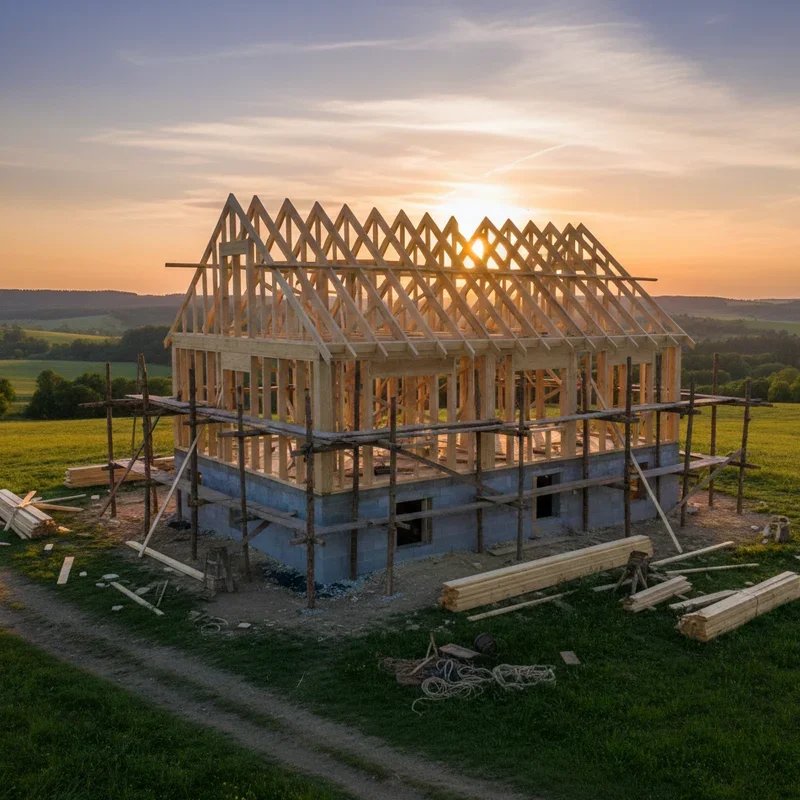
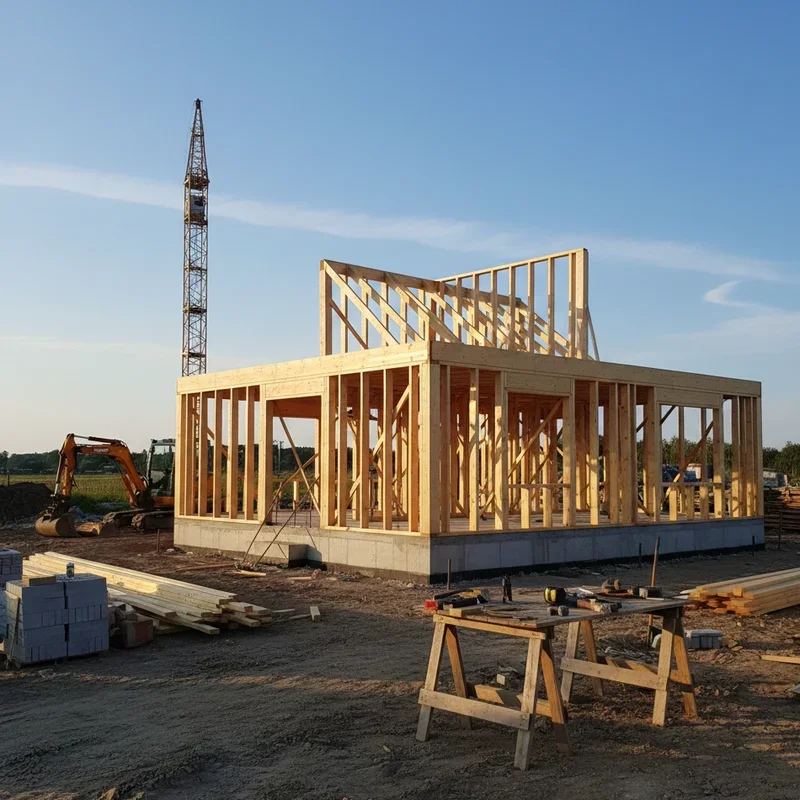
Framing transforms your home from lines on paper into a three-dimensional structure. This exciting phase shows dramatic daily progress as walls rise and roof lines take shape. Most homes frame completely in four to six weeks, with larger or more complex designs requiring additional time.
Stick-built framing, where carpenters construct walls on-site from individual lumber pieces, takes longer than homes using pre-fabricated trusses and wall panels. Many production builders use prefabricated components to accelerate this phase and improve consistency.
Rough inspections occur after framing completion, verifying structural elements meet code requirements. Windows and exterior doors typically install during or immediately following framing, weatherproofing the structure for interior work to begin.
Mechanical Rough-Ins: 3 to 5 Weeks
Once framing passes inspection, the mechanical trades begin their rough-in work. Plumbers run supply and drain lines throughout the structure. Electricians pull wiring through walls and install boxes for outlets, switches, and fixtures. HVAC contractors install ductwork and prepare for equipment placement.
These trades must coordinate carefully because everyone's working in the same wall and ceiling cavities. Experienced builders schedule these crews sequentially or manage concurrent work to prevent conflicts and delays.
Each mechanical system requires separate inspections before walls close up. Inspection failures here require tearing open work to make corrections, so quality installation during rough-in saves significant time and headaches. The inspection process itself typically adds one to two weeks to this phase.
Insulation and Drywall: 3 to 4 Weeks
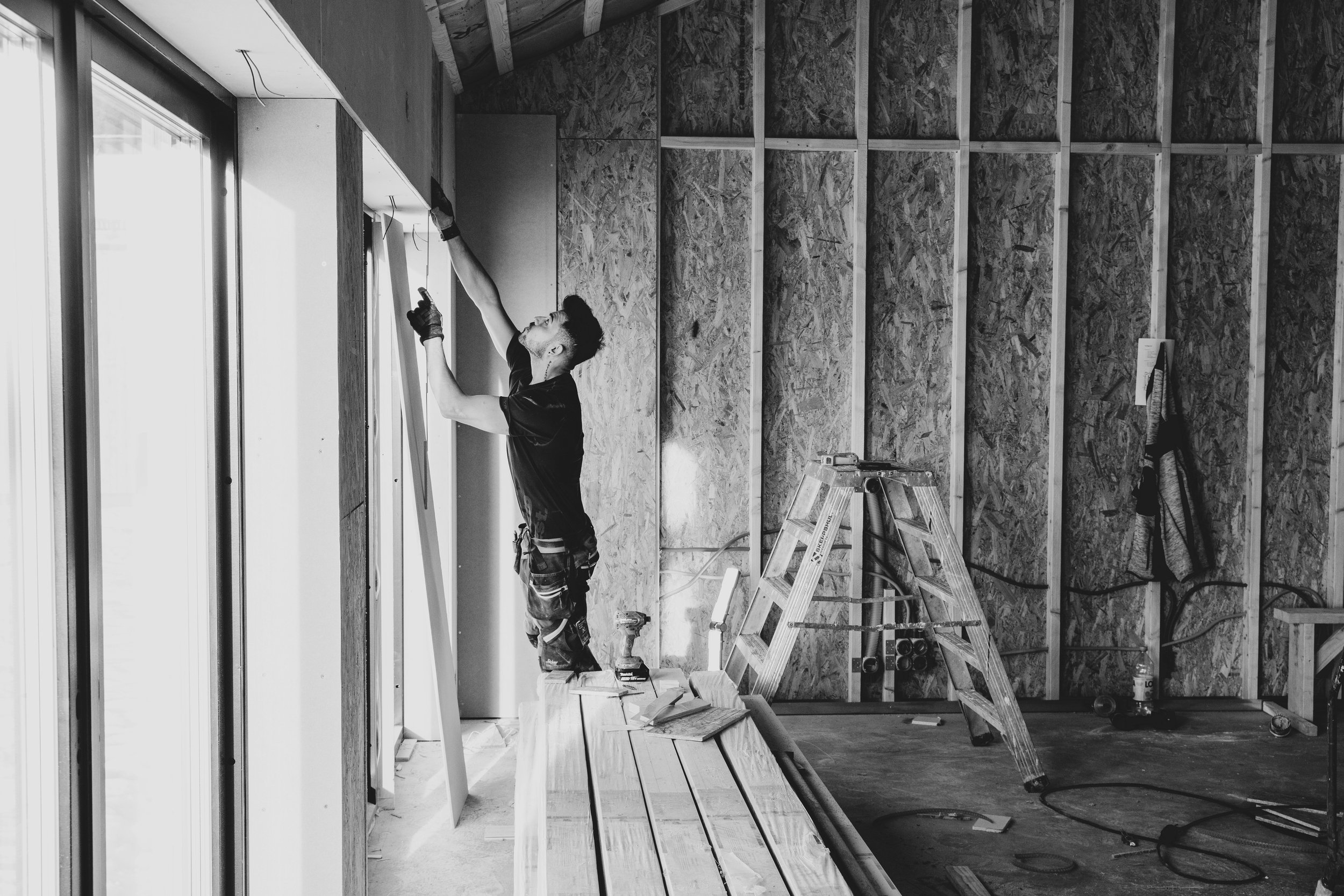
With mechanical rough-ins approved, insulation installation proceeds quickly, usually completing in just a few days for typical homes. Following insulation, drywall crews hang sheets throughout the interior, a process taking one to two weeks depending on home size.
Drywall finishing involves multiple stages: taping seams, applying joint compound, sanding smooth, and repeating until walls achieve smooth, paintable surfaces. This process requires drying time between coats, limiting how quickly workers can proceed regardless of crew size.
Ceiling textures, if desired, apply after drywall finishing completes. The entire insulation-through-finished-walls phase typically spans three to four weeks.
Interior Finishes: 6 to 10 Weeks
Here's where your house truly becomes a home, and also where timelines vary most dramatically based on finish selections. Painting, flooring, cabinetry, countertops, trim work, and fixture installation all happen during this extended phase.
Painting interior walls and trim typically takes one to two weeks, with multiple coats requiring drying time between applications. Flooring installation follows painting and requires one to two weeks depending on materials and square footage.
Cabinet installation is a milestone moment that makes kitchens and bathrooms suddenly feel real. Countertop fabrication and installation follow, often requiring templates taken after cabinet installation. Custom countertops may have lead times of two to four weeks between templating and installation.
Trim carpentry includes baseboards, crown molding, door casings, and other decorative woodwork. Detailed millwork packages take longer than simple builder-grade trim installations.
Final fixture installation brings in lighting, plumbing fixtures, appliances, and hardware. These finishing touches happen during the final weeks before completion.
Exterior Work and Landscaping: Variable
Exterior finishes can proceed concurrently with much interior work. Siding, stone, or brick installation typically requires two to four weeks depending on material and home size. Roofing usually completes during or shortly after framing.
Driveways, walkways, and patios often pour toward project completion to avoid construction traffic damage. Final grading and landscaping usually happen last, transforming construction sites into finished properties.
Landscape timelines vary enormously based on scope. Basic seeding and minimal plantings complete quickly. Elaborate landscaping with mature trees, irrigation systems, and hardscape features can extend timelines by weeks.
Factors That Extend Construction Timelines
Weather Delays
Mother Nature doesn't care about your construction schedule! Rain delays foundation and concrete work. Extreme temperatures affect multiple construction phases. Snow and ice halt exterior work entirely in many regions.
Builders in temperate climates enjoy significant timeline advantages over those in regions with harsh winters or prolonged rainy seasons. Some weather delays are inevitable regardless of location, and wise builders pad their estimates accordingly.
Material Availability
Supply chain disruptions have become painfully familiar in recent years. Material shortages and extended lead times can stall construction entirely when critical items aren't available. Windows, appliances, cabinets, and specialty materials frequently cause delays.
Ordering materials early, even before they're immediately needed, helps minimize availability-related delays. Experienced builders anticipate lead times and incorporate them into project scheduling.
Change Orders and Decision Delays
Changing your mind mid-construction costs both time and money. Every design change requires assessment, pricing, and schedule adjustment. Major changes might require permit modifications and additional inspections.
Equally problematic are decision delays from homeowners. When builders need finish selections to order materials and homeowners haven't decided yet, work stops until decisions are made. Stay engaged and make selections promptly to keep your project moving.
Contractor Scheduling Conflicts
Your builder coordinates numerous subcontractors, each running their own business with multiple projects. When one trade runs behind, it creates cascading delays for subsequent trades. Skilled labor shortages in hot markets exacerbate scheduling challenges.
Quality builders maintain strong subcontractor relationships and schedule work to minimize conflicts. Still, some scheduling delays are inevitable in any construction project.
Tips for Keeping Your Build on Track
Make Decisions Early and Stick to Them
The single best thing you can do for your timeline is making selections promptly and avoiding changes. Decide on finishes, fixtures, and features during design phases rather than mid-construction. Once you've decided, resist the urge to second-guess yourself.
Maintain Clear Communication
Regular communication with your builder helps identify potential issues before they become major problems. Weekly progress meetings keep everyone aligned and allow quick resolution of questions that might otherwise cause delays.
Build Buffer Time Into Your Plans
Don't schedule your move-out from your current residence based on optimistic completion estimates. Build buffer time into your transition plans so inevitable delays don't leave you homeless or scrambling for temporary housing.
Conclusion
Building a house requires patience, planning, and realistic expectations about timelines that stretch longer than most people initially anticipate. This How Long to Build a House: Average Timelines Explained guide has walked you through every phase from initial design through final landscaping. Understanding that typical construction spans ten to sixteen months total helps you plan your life around the build rather than being frustrated by the process. Remember that quality construction takes time, and rushing your builder rarely produces good results. Focus on communication, make decisions promptly, and trust the process as your dream home takes shape.
Read next: How to Install a Door Knob: A Step-by-Step Guide
Frequently Asked Questions
1. What is the fastest timeline possible for building a house?
Production homes in ideal conditions can complete in four to five months total.
2. Why do custom homes take longer to build than production homes?
Custom homes require individual design decisions, unique materials, and specialized craftsmanship throughout construction.
3. Can I speed up construction by paying contractors more money?
Sometimes expedited schedules are possible, but weather and inspections create unavoidable minimum timelines.
4. What causes the most common construction delays?
Weather, permit issues, material availability, and homeowner decision delays cause most timeline extensions.
5. Should I trust my builder's initial timeline estimate?
Use estimates as guidelines but expect actual completion to take longer than initially projected.
Stay up to date with our latest ideas!