How to Get Paint Out of Clothes Easily
Discover how to get paint out of clothes easily with proven methods, household items, and expert tips for removing stubborn paint stains fast.

Oh boy, we've all been there! One minute you're channeling your inner Picasso, creating a masterpiece on canvas or giving your living room walls a fresh new look, and the next thing you know, your favorite shirt looks like it went through a paintball tournament. Whether you've accidentally brushed against a wet wall or your kids decided their clothes needed some "artistic improvement," finding paint on fabric can make your heart sink faster than a stone in water.
But here's the good news: that paint-splattered garment isn't necessarily destined for the trash bin! Learning how to get paint out of clothes easily can save your wardrobe and your wallet. Trust me, I've rescued everything from vintage band tees to fancy work blouses from the clutches of paint disasters. The trick is knowing which method to use and acting quickly before that paint decides to become a permanent resident on your fabric.
Before you throw in the towel (pun intended), let me walk you through some tried-and-true methods that'll have your clothes looking fresh and paint-free again. Whether you're dealing with watercolor from your kid's art project, acrylic from your weekend DIY adventure, or even oil-based paint from that home renovation project, there's a solution waiting for you.
Understanding Different Types of Paint
Before diving into the removal techniques, let's get our facts straight about what we're dealing with. Not all paints are created equal, and knowing what type has crashed the party on your clothes makes all the difference in the world!
Water-Based Paints
These are the friendly neighbors of the paint world. Water-based paints, including latex and acrylic when they're still wet, are generally the easiest to remove. They're like that houseguest who's polite enough to leave when asked! Since water is their main solvent, they respond well to good old H2O and soap, especially if you catch them before they've settled in for the long haul.
School tempera paints, poster paints, and most interior house paints fall into this category. The beauty of water-based paints is that they haven't chemically bonded with the fabric fibers as strongly as their oil-based cousins, making your rescue mission much more likely to succeed.
Oil-Based Paints
Now these bad boys are a different story altogether! Oil-based paints are like that stubborn stain that refuses to budge without a fight. They're designed to be durable and long-lasting, which is great for your walls but not so great when they end up on your clothes. These paints need stronger solvents to break them down, and time is definitely not on your side with these troublemakers.
Specialty Paints
Then you've got your specialty paints like fabric paint (ironically enough), spray paint, and enamel paints. Each comes with its own set of challenges. Fabric paint, for instance, is literally designed to stay on fabric, so removing it requires some serious determination and the right approach.
Immediate Actions to Take
Alright, so you've just noticed paint on your clothes. Don't panic! But don't stand there admiring the mess either. Time's ticking, and every second counts when you're figuring out how to get paint out of clothes easily.
The Golden Rule: Don't Let It Dry!
First things first, if that paint's still wet, you're in luck! Grab a spoon, butter knife, or even a credit card and gently scrape off as much excess paint as possible. Think of it like you're frosting a cake in reverse. Be gentle though; you don't want to push the paint deeper into the fibers.
Blot, Don't Rub!
Here's where many folks go wrong. Your instinct might be to grab a cloth and rub like crazy, but hold your horses! Rubbing just spreads the paint around and pushes it deeper into the fabric. Instead, blot gently with a clean cloth or paper towel. Work from the outside of the stain toward the center to prevent spreading.
Turn It Inside Out
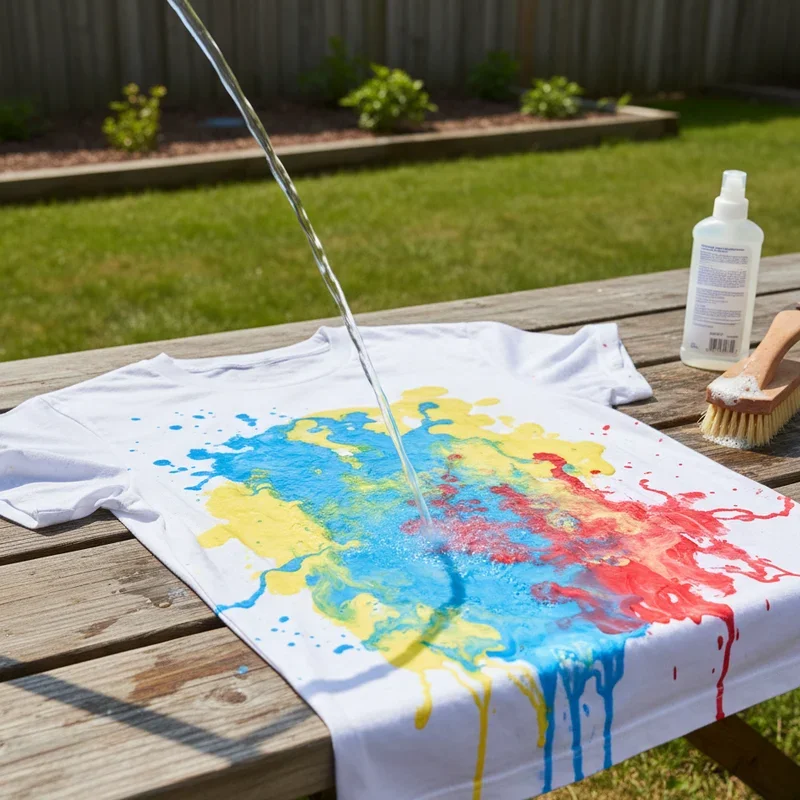
Flip that garment inside out and run cold water through the back of the stain. This helps push the paint out the way it came in, rather than forcing it through more fabric. It's like convincing an unwanted guest to leave through the same door they entered!
How to Get Paint Out of Clothes Easily: Water-Based Paint Methods
Let's start with the easier challenge. Water-based paints are much more forgiving, and you've got several options in your arsenal.
Method 1: The Dish Soap Technique
Good old dish soap isn't just for your dirty plates! Mix one part warm water with one part dish soap. Apply this solution to the stain and work it in gently with your fingers or a soft brush. The soap helps break down the paint's structure while lifting it from the fabric.
Let it sit for about 10 minutes (go make yourself a cup of coffee), then rinse with warm water. Repeat if necessary. Sometimes it takes a few rounds, like trying to wake up a teenager on a Saturday morning!
Method 2: The Rubbing Alcohol Method
Rubbing alcohol is like kryptonite to water-based paint. Saturate the stained area with rubbing alcohol using a clean cloth. You'll see the paint start to dissolve almost immediately. It's pretty satisfying, actually! Blot with a clean section of cloth repeatedly until no more paint transfers.
Once you've gotten as much out as possible, rinse thoroughly with warm water and toss it in the washing machine with your regular detergent.
Method 3: The Hairspray Hack
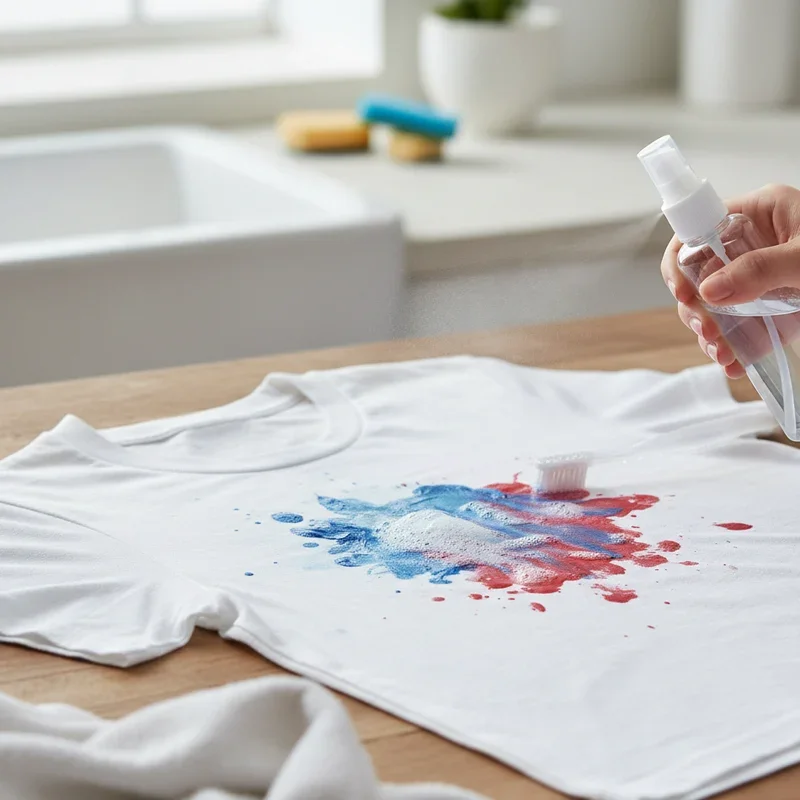
Believe it or not, that can of hairspray in your bathroom is a secret weapon! The alcohol content in aerosol hairspray can work wonders on paint stains. Spray it directly on the stain, let it sit for a few minutes, then scrub gently with an old toothbrush. The paint should start to loosen up and lift away.
Removing Oil-Based Paint from Clothing
Now we're entering the big leagues. Oil-based paint removal requires more heavy-duty solutions, but don't worry, it's still totally doable!
The Turpentine Treatment
Turpentine or paint thinner is your best bet for oil-based paints. Working in a well-ventilated area (seriously, open those windows!), apply turpentine to the stain using a clean cloth. Let it sit for about 10-15 minutes to break down the paint.
Gently scrub with an old toothbrush, then rinse with warm water. You'll probably need to repeat this process a few times. It's like peeling an onion, layer by layer!
The WD-40 Wonder
Who knew that squeaky door fix could save your clothes? WD-40 can actually help dissolve oil-based paint. Spray it on the stain, let it sit for a few minutes, then scrub gently. The lubricant properties help lift the paint from the fibers.
After treatment, you'll need to wash the garment thoroughly to remove the WD-40 residue. Use hot water (if the fabric can handle it) and strong detergent.
Acetone or Nail Polish Remover
For stubborn oil-based stains, acetone (found in most nail polish removers) can be a lifesaver. But here's the catch: test it on a hidden area first! Acetone can damage certain fabrics or cause colors to run.
Apply the acetone with a clean cloth, working from the outside in. Once the paint starts dissolving, blot it up with clean sections of cloth. Rinse thoroughly and wash as usual.

Natural and Household Remedies
Not everyone wants to use harsh chemicals, and I totally get that! Fortunately, your kitchen pantry might hold the solution to your paint problem.
Vinegar and Baking Soda Combo
This dynamic duo isn't just for volcano science projects! Mix equal parts white vinegar and baking soda to create a paste. Apply it to the stain and let it bubble and fizz for about 30 minutes. The chemical reaction helps break down the paint particles.
Scrub gently with a soft brush, then rinse with cold water. This method works particularly well on dried water-based paints that have been hanging around for a while.
Lemon and Salt Scrub
For lighter paint stains, especially on white fabrics, try this citrusy solution. Squeeze fresh lemon juice onto the stain and sprinkle salt over it. Let the fabric sit in direct sunlight for a few hours if possible. The combination of citric acid and sun helps bleach out the stain naturally.
Baby Oil or Cooking Oil
Oil fights oil! For oil-based paint stains, try rubbing baby oil or cooking oil into the stain. It helps dissolve the paint by breaking down its oil components. After working the oil in, use dish soap to remove both the oil and the dissolved paint.
Special Considerations for Different Fabrics
Not all fabrics are created equal, and what works for your cotton t-shirt might spell disaster for your silk blouse!
Delicate Fabrics (Silk, Wool, Cashmere)
With delicate fabrics, you've got to treat them like the royalty they are. Skip the harsh chemicals and stick to gentle methods. Try using a mixture of lukewarm water and gentle laundry detergent. Dab carefully and never wring or twist these fabrics.
For expensive or sentimental pieces, honestly, it might be worth taking them to a professional cleaner. Sometimes it's better to spend a few bucks than risk ruining a treasured item.
Synthetic Fabrics (Polyester, Nylon)
Synthetic fabrics can usually handle stronger treatments, but they can also melt or warp with too much heat. Stick to room temperature or cool water, and avoid hot water or heat-setting the stain in the dryer.
Denim and Heavy Cotton
These tough cookies can handle more aggressive treatment. You can use stronger solvents and scrub more vigorously without worrying too much about damage. The thick weave of denim actually works in your favor, as paint often sits on top rather than soaking through completely.
How to Get Paint Out of Clothes Easily: Dried Paint Solutions
Discovered paint that's been there since last Tuesday? Or last month? Don't lose hope! Dried paint is tougher to remove, but with patience and the right approach, you can still win this battle.
The Scraping Strategy
Start by scraping off as much dried paint as possible with a butter knife or spoon. Be patient and gentle; you don't want to damage the fabric underneath. Think of it like archaeological excavation!
The Alcohol Soak
For dried water-based paint, saturate the area with rubbing alcohol and let it sit for about 15 minutes. The alcohol reactivates the paint, making it easier to remove. Cover the area with plastic wrap to prevent evaporation while it works its magic.
The Heat and Peel Method
For some paints, applying heat with a hair dryer can soften the dried paint enough to peel it off. Hold the dryer about 4 inches from the fabric and heat for 30-second intervals, testing the paint's pliability between heating sessions.

Prevention Tips
You know what they say: an ounce of prevention is worth a pound of cure! Here's how to avoid paint disasters in the first place.
Wear appropriate clothing: Keep designated "painting clothes" that you don't mind getting messy
Use aprons or smocks: Especially important for kids' art projects
Cover up properly: Use plastic sheets or old newspapers to protect clothing
Keep wet wipes handy: Quick cleanup prevents stains from setting
Work in well-ventilated areas: This isn't just for fume protection; good lighting helps you spot splatter immediately
When to Seek Professional Help
Sometimes, despite our best efforts, we need to wave the white flag and call in the cavalry. Here's when to consider professional cleaning:
The garment is expensive or has sentimental value
You're dealing with vintage or antique fabrics
The paint has been heat-set (gone through the dryer)
Multiple treatment attempts have failed
The fabric is labeled "dry clean only"
Professional cleaners have access to specialized solvents and equipment that can work miracles on stubborn stains. Plus, many offer guarantees on their work.
Common Mistakes to Avoid
Learning from others' mistakes can save your clothes! Here are the big no-nos when removing paint:
Using Hot Water First
Hot water can set the paint stain permanently, especially with acrylics. Always start with cold water unless specifically directed otherwise.
Mixing Chemicals
Never mix different cleaning products! Some combinations can create dangerous fumes or damage fabric beyond repair.
Giving Up Too Soon
Sometimes paint removal takes multiple attempts. Don't assume failure after just one try; persistence often pays off!
Using Too Much Force
Aggressive scrubbing can damage fabric fibers and spread the stain. Gentle repeated treatments work better than forceful single attempts.
Conclusion
There you have it! Knowing how to get paint out of clothes easily doesn't require a degree in chemistry or professional equipment. With quick action, the right techniques, and a bit of patience, most paint stains can become nothing more than a memory. Remember, different paints need different approaches, and what works for one fabric might not work for another. Stay calm, act fast, and don't be afraid to try multiple methods if the first doesn't work perfectly.
Read next: Can You Paint Vinyl Siding? What to Know First
Frequently Asked Questions
Q1: Can I remove paint from clothes after it's been washed and dried?
A: It's challenging but possible; try alcohol or acetone-based methods for best results.
Q2: Will vinegar alone remove paint stains from clothing?
A: Vinegar works best combined with baking soda or dish soap for effectiveness.
Q3: Is it safe to use paint thinner on all fabrics?
A: No, test first on hidden areas; avoid on synthetics and delicate fabrics.
Q4: How long should I wait before washing treated clothes normally?
A: Rinse thoroughly first, then wash immediately to prevent chemical damage to fabric.
Q5: Can nail polish remover damage colored clothing?
A: Yes, acetone can cause colors to fade or run; always test first.
Stay up to date with our latest ideas!