What Is a Composition Roof: Types and Costs
Discover what is a composition roof, explore different types, installation costs, and benefits. Make informed decisions for your home's roofing needs today.
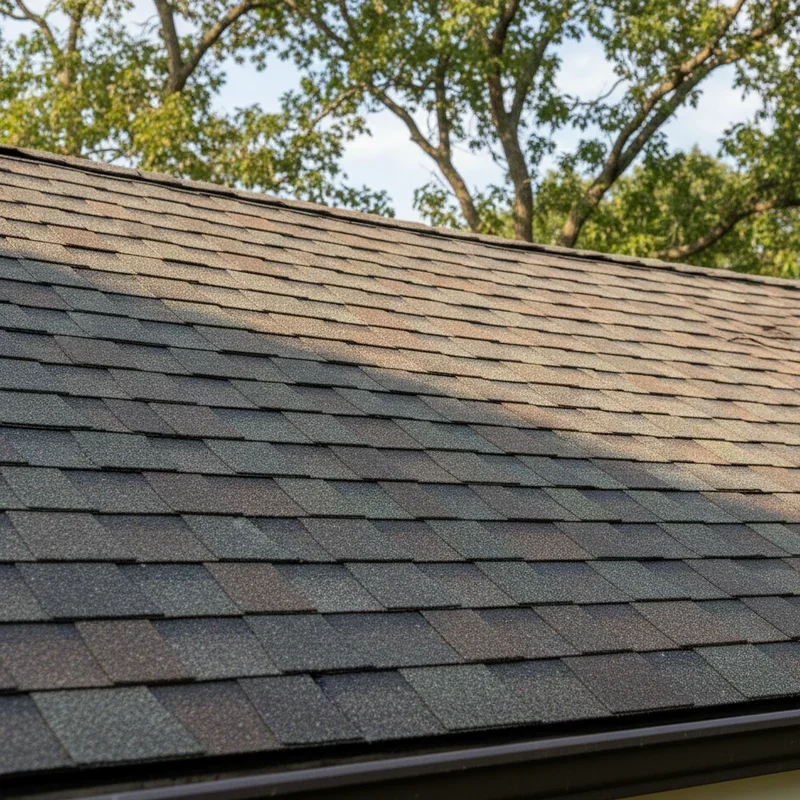
Well, here's the thing about roofs: most homeowners don't really think about them until something goes wrong! Standing in your yard and gazing up at your home's crown, you might be wondering, "What exactly is sitting up there protecting my family and belongings?" If you're like millions of American homeowners, chances are you're looking at a composition roof, though you might not even realize it.
Let me tell you, understanding what is a composition roof: types and costs isn't just useful information for trivia night. It's essential knowledge that could save you thousands of dollars and countless headaches down the road. Whether you're buying a new home, planning a roof replacement, or just trying to figure out what that contractor's talking about, you've come to the right place.
Picture this scenario: your neighbor just got their roof replaced, and they're throwing around terms like "architectural shingles" and "three-tab composition." Meanwhile, you're nodding along, pretending to understand while secretly wondering if they're speaking a foreign language. Don't worry, by the time you finish reading this guide, you'll be the one enlightening your neighbors about roofing options!
Understanding Composition Roofing Basics
So, what exactly makes a roof a "composition" roof anyway? Well, buckle up, because this is where things get interesting!
The Building Blocks of Composition Shingles
At its core, a composition roof gets its name from the composite materials used to create the shingles. Think of it like a roofing sandwich, if you will. These shingles aren't made from just one material; instead, they're a clever combination of several components working together to protect your home. The base layer typically consists of fiberglass or organic mat material, which provides the structure and strength. This base is then saturated with asphalt for waterproofing, and finally topped with mineral granules that give the shingles their color and UV protection.
Boy, isn't it amazing how something that looks so simple from the street actually has so much going on? The beauty of composition roofing lies in this engineered approach. Unlike traditional wood or slate roofs that rely on a single material's properties, composition shingles combine the best qualities of multiple materials.
Why Composition Roofs Rule the Market
Looking around most neighborhoods, you'll notice composition roofs everywhere, and there's a darn good reason for that! They've become America's favorite roofing choice, covering roughly 80% of homes across the country. The popularity isn't just about following trends; it's about practical benefits that make sense for the average homeowner.
First off, they're incredibly versatile. Whether your home is a cozy ranch, a stately colonial, or a modern contemporary masterpiece, there's a composition shingle style that'll complement it perfectly. Plus, they perform well in various climates, from scorching desert heat to freezing northern winters.
What Is a Composition Roof: Types and Costs Breakdown
Now that we've covered the basics, let's dive into the different types you'll encounter when shopping for composition roofing.
Three-Tab Shingles: The Classic Choice
Three-tab shingles are like the reliable sedan of the roofing world. They've been around forever, and for good reason! These shingles get their name from the three uniform tabs that create a flat, clean appearance on your roof. Walking through older neighborhoods, you'll spot these everywhere.
What makes three-tab shingles so popular? Well, they're the most budget-friendly option in the composition roofing family. They typically cost between $3.50 to $5.50 per square foot installed, making them an attractive choice for homeowners watching their wallets. Sure, they might not have all the bells and whistles of fancier options, but they'll keep your home dry and protected for 15 to 30 years with proper maintenance.
The installation process is straightforward too, which means labor costs stay reasonable. Any experienced roofer can install three-tab shingles with their eyes closed (though I wouldn't recommend that!). This simplicity also means repairs are usually quick and affordable.
Architectural Shingles: The Popular Upgrade
Moving up the ladder, architectural shingles (also called dimensional or laminate shingles) are like the SUV of roofing options. They're a bit pricier than three-tab, but wow, do they deliver value!
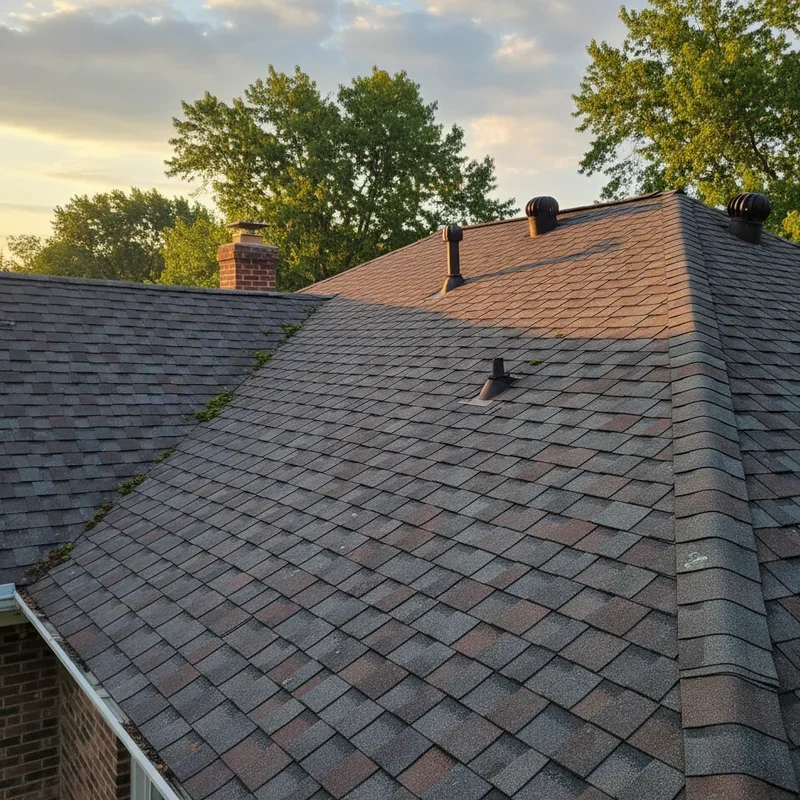
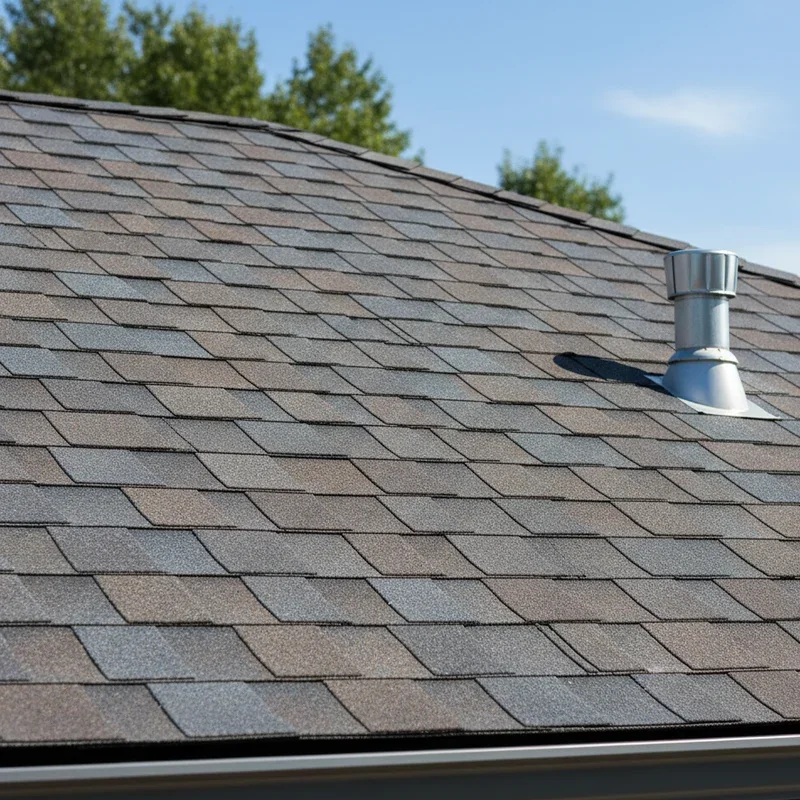
These shingles feature a multi-layered construction that creates depth and shadow lines, mimicking the look of more expensive roofing materials like wood shakes or slate. Running your hand over them, you'd feel the dimensional texture that gives homes such impressive curb appeal. They typically run between $4.50 to $7.00 per square foot installed.
Here's what makes them special:
Enhanced durability lasting 25-40 years
Better wind resistance up to 130 mph
Improved aesthetics with varied shadow lines
Greater thickness providing better protection
Wider variety of colors and styles
Luxury or Designer Shingles: The Premium Option
At the top of the composition roofing hierarchy sit luxury shingles, the sports cars of the roofing world! These premium products can cost anywhere from $6.00 to $10.00 per square foot installed, but they're worth considering if you want the absolute best.
Luxury shingles are engineered to replicate high-end materials like natural slate or cedar shakes so convincingly that you'd need to climb up on the roof to tell the difference. They offer the longest warranties (often 50 years or lifetime), superior weather protection, and stunning visual appeal that can significantly boost your home's value.
Cost Factors That Impact Your Investment
Understanding what is a composition roof: types and costs means looking beyond just the shingle prices. Let's break down what really affects your bottom line.
Material Costs vs. Total Project Costs
Here's something that catches many homeowners off guard: the shingles themselves typically represent only 40-60% of your total roofing project cost. Surprising, right? The rest goes toward labor, underlayment, flashing, ventilation, and disposal of your old roof.
For a typical 2,000 square foot home, you're looking at:
Basic three-tab installation: $7,000 - $11,000
Architectural shingle installation: $9,000 - $14,000
Luxury shingle installation: $12,000 - $20,000
Geographic Location Matters
Where you live plays a huge role in determining costs. Living in San Francisco or New York? Add 20-30% to those estimates. Rural Midwest? You might save 10-15%. It's not just about cost of living either; local building codes, permit requirements, and weather considerations all factor in.
States prone to hurricanes require special installation methods and materials that meet wind-resistance standards. Similarly, areas with heavy snow loads need reinforced structures. These requirements naturally increase both material and labor costs.
Roof Complexity and Accessibility
A simple gable roof is like a walk in the park for roofers. But throw in dormers, valleys, skylights, and chimneys, and suddenly that walk becomes an obstacle course! Complex rooflines require more materials, create more waste, and take significantly longer to complete.
Steep roofs are another cost multiplier. Anything over a 6:12 pitch usually triggers additional charges for safety equipment and slower work pace. Can't blame the roofers; working on a steep slope is like trying to dance on a treadmill set to maximum incline!
Installation Process and Timeline
Getting a new composition roof isn't exactly a weekend DIY project, unless you're a professional roofer moonlighting as a homeowner!
Pre-Installation Preparation
Before the first shingle goes up, there's considerable prep work involved. Your contractor will need to obtain permits, order materials, and schedule the crew. This planning phase typically takes 1-2 weeks.
On installation day, the crew starts bright and early (hope you're a morning person!). They'll protect your landscaping with tarps, set up safety equipment, and begin the tear-off process if you're replacing an existing roof.
The Installation Dance
Watching a professional roofing crew work is like watching a well-choreographed dance. First comes the tear-off (if needed), which usually takes half a day for an average home. Next, they'll inspect and repair any damaged decking, because putting new shingles on rotten wood is like putting lipstick on a pig!
The actual installation follows this sequence:
Ice and water shield installation in valleys and edges
Underlayment rolled out across the entire deck
Drip edge and flashing installation
Starter strips along the edges
Field shingles working from bottom to top
Ridge caps to finish the peaks
Cleanup and final inspection
Most homes can be completed in 1-3 days, weather permitting. Of course, Mother Nature doesn't always cooperate, so flexibility is key!
Maintenance and Longevity
Taking care of your composition roof is like maintaining your car; regular attention prevents major problems down the road.
Regular Inspection Schedule
Twice a year, typically in spring and fall, give your roof a good looking over. You don't need to climb up there (please don't if you're not comfortable!); binoculars work great for spotting issues from the ground.
Look for:
Missing or damaged shingles
Granules accumulating in gutters
Sagging areas or visible damage
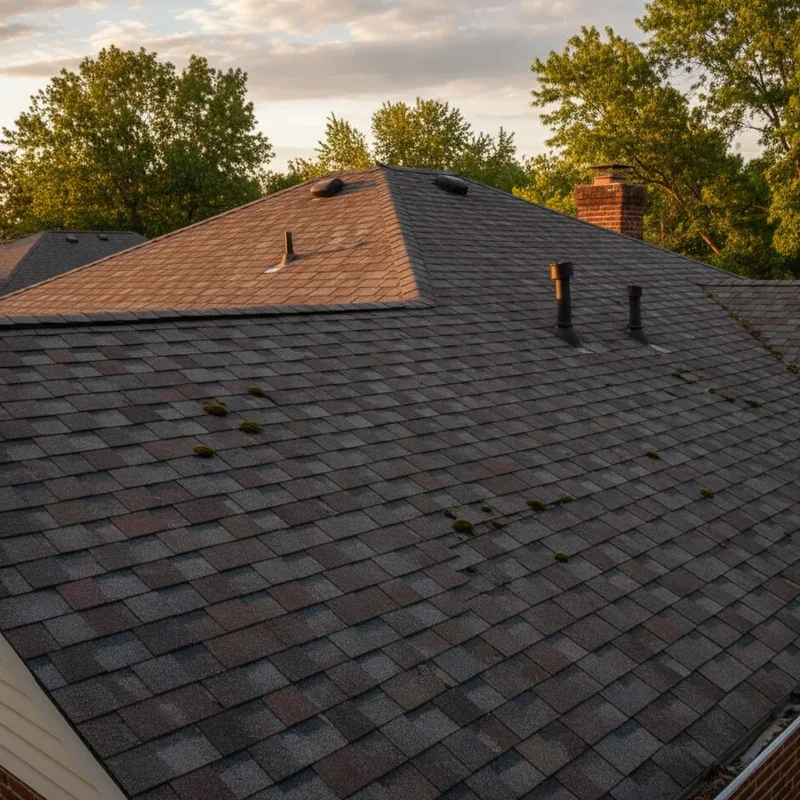
Moss or algae growth
Damaged flashing around chimneys and vents
Extending Your Roof's Lifespan
Want to squeeze every year possible out of your composition roof? Here's the secret sauce:
Keep those gutters clean! Clogged gutters cause water backup that can damage your roof's edge and fascia boards. Trim overhanging branches that could fall during storms or provide highways for squirrels and other critters. Speaking of critters, address any pest issues promptly; animals can cause surprising damage when they decide your attic looks cozy.
Ensure proper attic ventilation too. Poor ventilation causes heat buildup that literally cooks your shingles from below, dramatically shortening their lifespan. It's like leaving your phone in a hot car; eventually, something's gonna give!
Environmental Considerations
In today's eco-conscious world, even roofing choices have environmental implications worth considering.
Recycling and Sustainability
Here's some good news: many composition shingles can be recycled! Old shingles often get ground up and used in road construction, turning your old roof into tomorrow's highways. Pretty cool, right?
Some manufacturers now produce shingles with recycled content, reducing the demand for new raw materials. While they're not as eco-friendly as metal or clay roofs, modern composition shingles have come a long way in reducing their environmental footprint.
Energy Efficiency Options
Cool roof technology has revolutionized composition roofing. These specially designed shingles reflect more sunlight and absorb less heat, keeping your home cooler and reducing air conditioning costs. In hot climates, they can lower roof surface temperature by up to 50°F!
Energy Star-rated shingles might cost slightly more upfront, but the energy savings can be substantial. Plus, some utility companies offer rebates for installing energy-efficient roofing, sweetening the deal even further.
Comparing Composition to Other Roofing Materials
While we're focusing on composition roofing, it's worth understanding how it stacks up against alternatives.
Composition vs. Metal Roofing
Metal roofs last longer (40-70 years) and offer superior weather resistance, but they cost significantly more upfront. They're like buying a luxury car versus a reliable sedan; both get you where you're going, but the experience and longevity differ.
Composition vs. Wood Shakes
Wood shakes provide unmatched natural beauty but require extensive maintenance and pose fire risks. They're like having a classic wooden boat; gorgeous, but demanding constant attention.
Composition vs. Slate or Tile
Slate and tile roofs can last over 100 years but cost three to five times more than composition. They also require reinforced roof structures due to their weight. Think of them as the mansion of roofing; impressive and long-lasting, but not practical for every homeowner.
Making the Right Choice for Your Home
Choosing the right composition roof involves balancing various factors based on your specific situation.
Consider your long-term plans. Staying in your home forever? Investing in premium shingles makes sense. Planning to sell in five years? Mid-range architectural shingles offer the best return on investment.
Your home's architecture matters too. A Victorian home might look stunning with luxury shingles mimicking slate, while a ranch-style home looks perfectly appropriate with quality architectural shingles.
Don't forget about your neighborhood. While you don't need the fanciest roof on the block, you don't want the shabbiest either. Aim for roofing that fits within your neighborhood's general standard.
Conclusion
Understanding what is a composition roof: types and costs empowers you to make informed decisions about one of your home's most critical components. From budget-friendly three-tab shingles to premium luxury options, composition roofing offers solutions for every homeowner's needs and budget. Remember, the best roof for your home balances cost, aesthetics, durability, and performance. With proper installation and maintenance, your composition roof will protect your home and family for decades to come.
Read next: How to Install Metal Roofing: Step-And-Step Guide
Frequently Asked Questions
Q1: How long do composition roofs typically last?
A: Most composition roofs last 20-40 years depending on quality and maintenance practices.
Q2: Can I install composition shingles over existing roofing?
A: Sometimes yes, but only one layer; check local building codes for restrictions.
Q3: What's the best season for roof replacement?
A: Late spring through early fall offers ideal weather conditions for roofing installation.
Q4: Do composition roofs require regular maintenance?
A: Yes, bi-annual inspections and gutter cleaning help maximize your roof's lifespan significantly.
Q5: Are composition shingles suitable for all climates?
A: Yes, but specific types perform better in certain climates than others do.
Stay up to date with our latest ideas!