Learn how to remove bed bugs from wood furniture safely with proven heat, steam, and cleaning methods that protect your finish.

Nothing sinks your stomach quite like spotting tiny rust colored specks along the seam of your grandmother's dresser. Bed bugs love wood. All those joints, cracks, and screw holes make perfect hideouts, and unlike a mattress you can toss, good furniture is worth saving. The tricky part? Half the stuff that kills bed bugs will also ruin a finish, warp a panel, or leave your bedroom smelling like a chemistry lab. Let's walk through what actually works and what to steer clear of.
How to Remove Bed Bugs From Wood Furniture Safely The Game Plan
Here's the honest truth up front. You're not going to solve this with one spray and a hopeful attitude. Killing bed bugs in wood takes a layered approach, because different methods reach different hiding spots. Heat penetrates deep. Steam handles surfaces and seams. Vacuuming removes the visible crowd. Encasements and traps catch stragglers. Skip a layer and the survivors just repopulate in three weeks, and you'll be right back where you started, only angrier.
The whole process usually takes two to four weeks with follow-up treatments. Patience isn't optional here.
First Things First Confirm You Actually Have Them
Before you tear apart a perfectly good nightstand, make sure you're chasing the right pest. Carpet beetles, spider beetles, and baby cockroaches all get blamed for bed bug damage constantly.
Pull out every drawer. Flip the piece upside down. Grab a flashlight and a credit card, then run the card edge along joints and crevices. You're looking for four things.
1. Live bugs roughly the size and shape of an apple seed, reddish brown and flat. 2. Tiny black ink dots, which are digested blood, usually clustered in corners. 3. Pale translucent shells, the molted skins from growing nymphs. 4. Cream colored eggs about a millimeter long, often glued into cracks.
Find any of those and yep, you've got company.
Step One Empty and Isolate the Piece
Take everything out. Clothes, papers, keepsakes, all of it. Bag the contents in sealed plastic before you carry them across the room, because dragging an open armful of infested sweaters through the hallway is how a bedroom problem becomes a whole house problem.
Clothing and fabric goes straight into the dryer on high for thirty minutes. That alone kills every life stage. Books, photos, and anything heat sensitive can sit sealed in a bag for a few months, or go into the freezer if you've got space.
Then pull the furniture away from the wall by at least two feet. Isolation matters more than people realize.
Step Two Vacuum Like You Mean It
Grab a vacuum with a crevice tool and go to war. Work slowly along every seam, every drawer track, every screw hole, every joint where two pieces of wood meet. Don't forget the underside, the back panel, and the little gap where the back board slots into the frame.
A few pointers that make a real difference:
1. Use the hard plastic crevice nozzle, not a brush attachment, since bristles let bugs cling and hitch a ride. 2. Press firmly and drag slowly. Speed accomplishes nothing. 3. Immediately after, remove the bag or empty the canister outside, seal it in plastic, and toss it in an outdoor bin. 4. Wipe the vacuum hose and attachments down with rubbing alcohol before storing.
Vacuuming won't get eggs, which are cemented in place. But it knocks the population down fast, and that's a great start.
Step Three Steam, the Wood Friendly Powerhouse
Steam is genuinely the MVP for wood furniture. Bed bugs die instantly at around 120 degrees Fahrenheit, and a decent steamer pushes well past that. Better still, it reaches into cracks that no spray can touch, and it kills eggs, which most chemicals fail to do.
Use a steamer that produces dry vapor with low moisture output. Set it to the lowest steam volume with a narrow nozzle attachment, wrap a thin cloth over the nozzle to spread the heat, and move about an inch per second. Too fast and you won't get the kill temperature deep enough. Too slow and you risk lifting veneer or clouding a finish.
Test an inconspicuous spot first. Always. Antique shellac finishes especially hate moisture, and you'll want to know that before you hit the front of the piece.
Step Four Heat Treatment for the Whole Piece
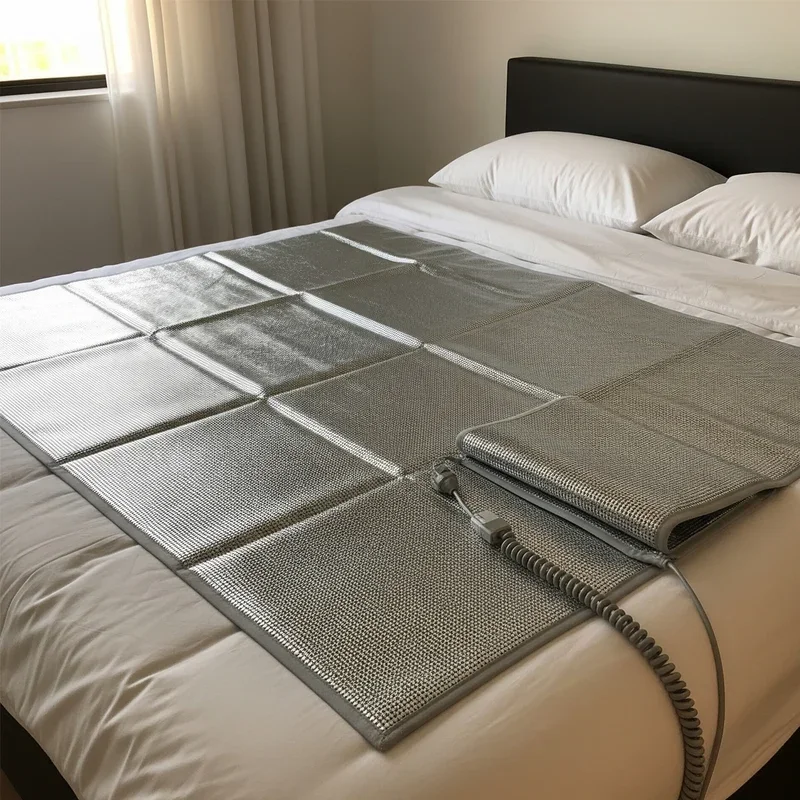
If steam feels like whack-a-mole, whole-piece heating is the nuclear option that actually ends things. The target is 120 to 130 degrees Fahrenheit sustained for at least ninety minutes throughout the entire item, core included.
You've got a few routes here.
1. Portable heat chambers. These zip-up units cost $150 to $400 and fit chairs, nightstands, and small dressers. Toss the piece in with a thermometer, run it, and walk away. 2. A closed car in summer. Wrap the furniture in black plastic, park in direct sun, and monitor with a probe thermometer. Cheap and surprisingly effective in hot climates. 3. Professional thermal remediation. Pest companies heat whole rooms to 135 degrees. Costs run $1 to $3 per square foot, but it handles everything at once.
One warning: heat can loosen hide glue on antiques and may dry out unsealed wood. For genuinely valuable pieces, talk to a conservator before you bake anything.
Step Five Cold Treatment as an Alternative
Freezing works too, though it's slower and needs real commitment. You need zero degrees Fahrenheit held for at least four days straight. Most home freezers run around zero to five degrees, so err on the side of longer.
Seal the item in plastic first to prevent condensation damage when you pull it out, and let it return to room temperature before unwrapping. This only suits small pieces obviously, since nobody's fitting a wardrobe in a chest freezer.

How to Remove Bed Bugs From Wood Furniture Safely Using Non-Toxic Products
Plenty of people want to avoid pesticides entirely, especially with kids or pets around. Reasonable. Here's what actually delivers.
Diatomaceous earth is fossilized algae ground to a fine powder that shreds a bug's waxy outer layer and dehydrates it. Dust a light layer into cracks, drawer runners, and the hollow underside of the frame. Key word is light. A thick pile just gets walked around. Food grade only, and wear a mask while applying.
Silica gel dust works on the same principle but faster and more reliably in humid conditions. Many pros prefer it these days.
Isopropyl alcohol at 91 percent kills on contact and evaporates quickly, but it will strip lacquer and shellac in a heartbeat. Save it for unfinished undersides and hardware only.
Essential oil blends with thyme or clove oil have modest lab evidence behind them. They're contact killers at best. Don't count on them to end an infestation, but they're harmless as a supplement.
When to Reach for Chemicals
Sometimes you need the heavy stuff. If you do, choose residual insecticides labeled specifically for bed bugs and for use on furniture surfaces. Look for products containing chlorfenapyr or a pyrethroid combined with a synergist, since resistance to plain pyrethroids has become widespread.
Spray only into cracks, joints, and unfinished areas. Never soak a finished surface. Let everything dry completely, ventilate the room hard, and keep pets out until it's bone dry.
Skip bug bombs entirely. Foggers scatter bed bugs deeper into walls and furniture instead of killing them, and they leave a greasy residue on wood that's a nightmare to clean.
Sealing the Hideouts for Good
Once the piece is treated, close the doors behind you. Caulk or wood filler goes into every crack, split, and unused screw hole. Staple or glue loose back panels down. Replace worn drawer slides that leave gaps.
This step gets skipped constantly and it's honestly half the battle. Fewer hiding places means fewer survivors and much easier inspections later.
Protecting Your Room After Treatment
Treating the dresser accomplishes nothing if the mattress is still crawling. Handle the whole room together.
1. Encase mattresses and box springs in certified bed bug covers and leave them on for a full year. 2. Put interceptor cups under every bed and furniture leg to trap climbers. 3. Pull the bed away from walls and keep bedding off the floor. 4. Launder and dry all linens weekly on high heat during treatment. 5. Reduce clutter, because every cardboard box is a bed bug condo.

Following Up Is Non-Negotiable
Eggs hatch in six to ten days. That means a single treatment almost never finishes the job, no matter what the bottle claims. Re-steam and re-vacuum the furniture at day seven, day fourteen, and day twenty-one.
Keep interceptor traps in place and check them weekly. If you go three full weeks with zero catches and no new bites, you're probably clear. Give it another month before you fully relax.
When to Call a Professional Instead
Look, some situations call for backup. If you're finding bugs in three or more rooms, if you've treated twice and they keep coming back, or if the furniture is a genuine antique you can't risk damaging, hire someone. Professional treatment runs $300 to $1,500 for a typical home, and good companies guarantee their work for thirty to ninety days.
That's not failure. That's just picking the right tool.
Should You Just Throw the Furniture Out?
Usually no. Most wood furniture is salvageable with heat and persistence, and tossing it doesn't solve the underlying infestation anyway. Replace it and the new piece gets colonized within weeks.
Only ditch a piece if it's already falling apart, if it's particle board that's swollen and delaminating, or if the value genuinely doesn't justify the effort. And if you do throw it out, smash it up or mark it clearly so nobody drags your problem into their home.
Conclusion
Saving infested wood furniture takes elbow grease, not luck. Vacuum thoroughly, steam every seam, apply sustained heat, dust the cracks with silica or diatomaceous earth, then seal up the hiding spots so nothing moves back in. Repeat the whole routine weekly for three weeks, because eggs keep hatching long after the adults are gone. Stay patient, treat the entire room rather than one piece, and that dresser will outlive the bugs by decades.
Read next: How to Make a Pull-Out Bed More Comfortable
Frequently Asked Questions
1. Can bed bugs live inside solid wood furniture itself?
They hide in cracks, joints, and screw holes, but cannot burrow into solid wood.
2. Does rubbing alcohol damage finished wood furniture surfaces?
Yes, alcohol strips lacquer and shellac quickly, so use it only on unfinished areas.
3. How long should furniture stay heated to kill bed bugs?
Maintain 120 degrees Fahrenheit or higher for at least ninety continuous minutes throughout the piece.
4. Will steam cleaning damage antique wood furniture pieces?
Possibly, since moisture lifts veneer and softens hide glue, so always test hidden spots.
5. How many treatments does removing bed bugs usually require?
Typically three treatments spaced one week apart, since eggs hatch six to ten days later.
Stay up to date with our latest ideas!